
When it comes to creating a luxurious dish that feels indulgent without compromising on your values, it’s hard to beat a vegetarian caviar recipe. Traditional caviar, made from fish roe, is a delicacy that has earned its place on the tables of the rich and famous. But what if you’re someone who doesn’t eat fish, whether for ethical reasons, dietary preferences, or just a desire to try something different? That’s where the magic of vegetarian caviar comes into play.
This recipe was born out of my own quest for a unique, plant-based way to enjoy the texture, brine, and elegance of caviar without the oceanic guilt. It’s been a hit at dinner parties, and I promise, when you serve it up, you’ll get all the “Wow”! without any fishy aftertaste. What’s even better is that you can enjoy it all without a single ounce of fish involved.
In this guide, I’ll take you through every step of creating your very own vegetarian caviar, from the ingredients to the science behind them. If you’re ready to elevate your culinary game and explore an unexpected world of flavors, read on.
Vegetarian Caviar Recipe
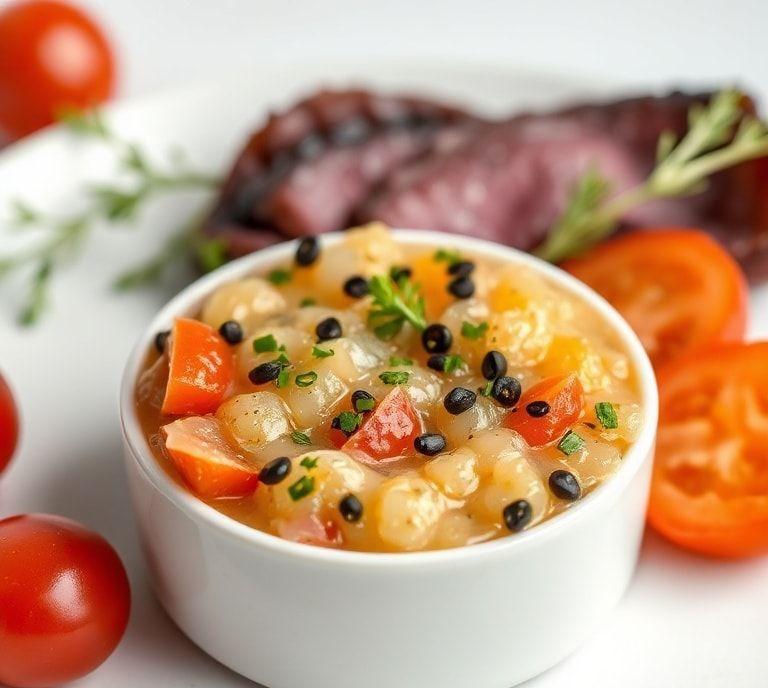
Making vegetarian caviar at home might sound intimidating at first, but trust me, it’s far easier than you think. The idea behind it is to mimic the briny, slightly crunchy texture of traditional caviar using plant-based ingredients. We’re going to harness the magic of seaweed and agar-agar to create small, glossy pearls that have the same satisfying burst as the real deal. The result is something that’s as stunning as it is delicious-and the best part? It’s completely cruelty-free.
Let’s dive in!
Ingredients Needed
- 1/2 cup of black (or green) seaweed pearls (I prefer using wakame, which has a mild flavor, but you can experiment with other varieties like agar-agar pearls for a more gelatinous consistency)
- 1 cup of water (filtered is best, if you can)
- 1 tbsp of agar-agar powder (a vegan alternative to gelatin, which helps to solidify the pearls)
- 1/4 cup of vegetable stock (to add depth of flavor)
- 1 tsp of soy sauce or tamari (for a rich umami flavor)
- 1/2 tsp of sea salt (to bring the oceanic brine to life)
- 1/2 tsp of lemon juice (this balances the salt and adds a subtle zing)
- A dash of smoked paprika (optional, but it adds a beautiful smoky undertone)
The ingredients are simple, but they pack a punch of flavor. Most of these are pantry staples you might already have lying around. If you’ve never experimented with agar-agar, this will be a fun introduction-it’s a versatile plant-based thickener that holds its shape better than gelatin and adds a wonderful texture.
Cooking Instructions
Now, here’s where the magic happens. This process is straightforward but requires a little patience and a few basic steps.
- Prepare the Agar-Agar Solution: Start by whisking together the water, vegetable stock, and agar-agar powder in a small saucepan. Heat this mixture over medium heat, stirring constantly. The key here is to dissolve the agar-agar completely before bringing it to a boil. Once the mixture is boiling, reduce the heat and let it simmer for 2-3 minutes, allowing the agar-agar to fully activate.
- Flavor It Up: Once the agar solution has simmered, stir in your soy sauce, lemon juice, and sea salt. These will add depth to the base of your caviar, giving it that authentic briny kick. Taste it as you go and adjust accordingly-add more salt or lemon if you like things tangier or saltier.
- Create the Pearls: This is the fun part. Once the agar mixture is ready, allow it to cool slightly. Then, take a dropper (or even a spoon) and drop the agar solution into a bowl of cold water. The solution will form little pearls as it hits the cold liquid. Let the pearls set for a few minutes. The agar will solidify quickly, creating those gorgeous glossy beads.
- Chill the Pearls: After your pearls have set, gently transfer them into a small bowl and pop them in the fridge for about 15-20 minutes. This will allow them to firm up completely and take on their final texture.
- Serve and Enjoy: Once your vegetarian caviar is set, serve it as you would any traditional caviar-on crackers, toast, or alongside fresh vegetables. It makes for a fantastic appetizer or a gourmet garnish for your dishes.
Ingredient Science Spotlight
Now, you might be wondering-how exactly do these seaweed pearls mimic the texture of real caviar? The secret lies in agar-agar. Agar is derived from seaweed, and its molecular structure allows it to create firm, jelly-like substances when mixed with water. It’s the same substance used in many vegan jellies and gummy candies, but when used in the right proportions, it holds its shape beautifully, mimicking the firmness of caviar.
The seaweed pearls add another layer of authenticity. When you drop the agar-agar solution into cold water, the liquid forms into small spheres that resemble the texture of fish roe. The subtle flavor of the seaweed, combined with the salt and umami of the soy sauce, creates an ocean-like essence that brings the whole dish together. It’s the perfect balance of flavor, texture, and visual appeal.
Expert Tips
- The Drop Technique: If you want to create perfectly round pearls, use a dropper or a pipette. You can also use a spoon to create a more irregular shape, which can be fun if you’re looking for a more artisanal vibe.
- Customize the Flavor: Play around with different flavorings to match your tastes. For example, if you want a more intense brine, add more soy sauce or even a bit of miso paste for richness.
- Cold Water Bath: The cold water bath is essential for helping the agar-agar mixture set into pearls. Make sure the water is ice-cold, as it helps to solidify the pearls faster and gives them that glossy sheen.
- Serving Tips: Vegetarian caviar can be stored in the fridge for up to a week. It also pairs wonderfully with other dishes like vegan pâté, avocado toast, or even as a topping for pasta.
Recipe Variations
- Herbed Vegetarian Caviar: Add a pinch of fresh dill, tarragon, or chives to the agar-agar solution for a fresh, herby twist.
- Smoky Caviar: For an even smokier taste, try adding a few drops of liquid smoke or smoked sea salt to the agar mixture.
- Citrus Twist: For a refreshing change, you can swap out the lemon juice for lime or even orange zest. This adds a different layer of brightness that complements the briny pearls.
- Colorful Pearls: If you want to get playful, try using beetroot juice to tint your caviar, or experiment with spirulina for a vibrant green hue. This gives the dish a visual pop, and it’s totally customizable to suit the theme of your meal.
Final Words
Vegetarian caviar is one of those dishes that feels both luxurious and fun to make. It’s a recipe that defies expectations, blending creativity with traditional techniques to create something entirely new. Whether you’re looking to impress guests at a dinner party, or simply enjoy an indulgent treat without the fish, this vegetarian version of caviar hits the mark.
The best part? Once you’ve mastered the basic recipe, you can tweak it to your heart’s content. Change up the flavor profile, adjust the texture, or even switch up the ingredients to suit your tastes. It’s a truly versatile dish that makes you feel like a culinary mastermind, even if you’re a beginner in the kitchen.
FAQs
What Is Vegetarian Caviar And How Is It Made?
Vegetarian caviar is a plant-based alternative to traditional fish roe, typically made from ingredients like seaweed, tapioca pearls, or agar-agar. The process involves creating small, pearl-like spheres that mimic the texture and appearance of traditional caviar. Seaweed-based versions often use nori or kelp to infuse a natural, ocean-like flavor, while tapioca or agar-agar versions rely on molecular gastronomy techniques, such as spherification, to form the caviar-like beads.
Can I Make Vegetarian Caviar At Home Without Special Equipment?
Yes, vegetarian caviar can be made at home using simple ingredients and basic kitchen tools. For example, you can create tapioca pearls by cooking small amounts of tapioca starch and dropping them into cold water or a flavored liquid. Seaweed-based caviar can be made by finely chopping nori and mixing it with a gelatin or agar-agar solution, then refrigerating it to set. While professional spherification kits can make the process easier and more precise, they are not strictly necessary for a home version.
What Are Some Common Flavor Variations For Vegetarian Caviar?
Vegetarian caviar can be flavored in many ways to enhance dishes or replicate the taste of traditional caviar. Common variations include using soy sauce, liquid smoke, or seaweed extracts for a salty, umami flavor. Fruit or vegetable juices, like beet or carrot, can be used to create colorful, subtly sweet versions. Additionally, infusions of herbs, citrus, or truffle oil can provide gourmet flavors suitable for salads, canapés, or pasta dishes.