Sometimes, a dish can transport you to a place or moment in time, like a memory wrapped in flavor. One dish that does this beautifully for me is the classic Grape Leaves Vegetarian Recipe. It’s not just food; it’s a story of tradition, of family, and of simple ingredients working together to create something greater than the sum of their parts. I remember first trying stuffed grape leaves at a family gathering, where my aunt would make them from scratch. As she rolled each one with care, there was an unspoken ritual-how she’d tuck the rice, herbs, and spices into each leaf with precision. The smell, that irresistible aroma of herbs and rice simmering slowly, made the entire house feel warm, cozy, and inviting.
Stuffed grape leaves have a history that spans centuries, beloved by various cultures from the Mediterranean to the Middle East. And while there are countless variations, this vegetarian version stands out for its fresh, fragrant filling of rice, herbs, and a hint of lemon. It’s a perfect dish for any season, whether as a light appetizer on a warm summer day or a hearty dish in the cooler months. It’s also versatile, great for potlucks, dinner parties, or just an afternoon snack.
Let me guide you through the process-this recipe isn’t difficult, but it does take a little patience and love to bring together. And once you’ve made it, you’ll understand why it’s worth every moment.
Grape Leaves Vegetarian Recipe
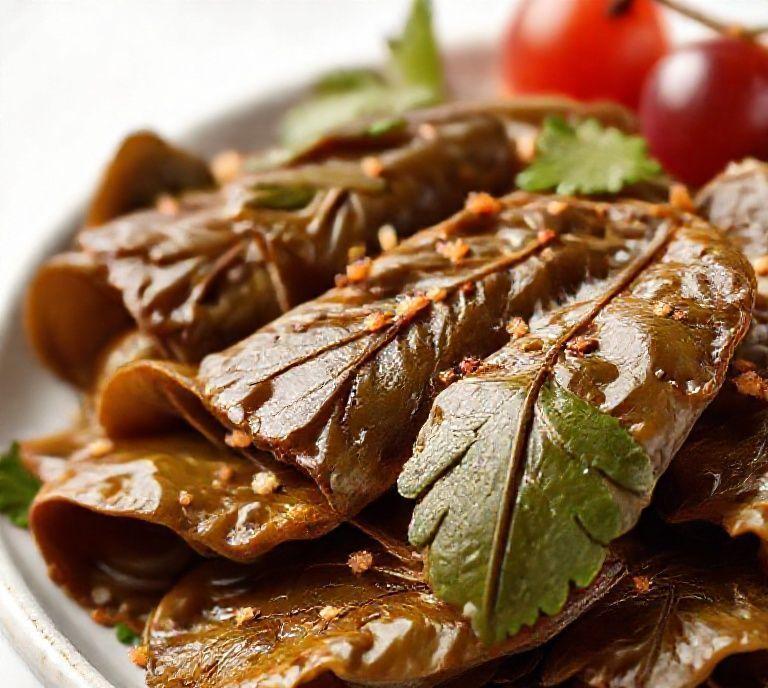
If you’ve ever eaten stuffed grape leaves at a Mediterranean or Middle Eastern restaurant, you may have experienced the delicate balance of flavors and textures that comes with this dish. The soft, slightly tangy grape leaves form a perfect shell for the savory, herby filling inside.
In this vegetarian version, we rely on rice as the base, infused with fresh herbs, lemon, and a touch of olive oil. It’s light, but also filling-perfect for those days when you crave something fresh but satisfying.
Ingredients Needed
Making grape leaves vegetarian-style is about simplicity and balance. Here’s everything you’ll need to bring this dish to life:
- Grape leaves (fresh or jarred) – Fresh grape leaves are ideal, but jarred ones work in a pinch. Just be sure to rinse them well if you use jarred leaves, as they are often packed in brine.
- Short-grain rice – The sticky texture of short-grain rice holds everything together beautifully. It also soaks up the flavors of the herbs and spices.
- Onion – A small onion, finely chopped, adds sweetness and depth to the rice mixture.
- Fresh herbs (dill, parsley, mint) – These are the heart of the dish. Dill gives it a classic flavor, parsley adds freshness, and mint provides a cool, refreshing bite.
- Lemon – The juice brightens the whole dish, while the zest adds an extra layer of fragrance.
- Olive oil – Rich and fruity, olive oil coats the rice and grape leaves, imparting a delicious flavor.
- Pine nuts (optional) – These lend a nutty crunch to the filling, making the texture more interesting.
- Salt and pepper – Simple seasonings that pull everything together.
- Water or vegetable broth – For cooking the rolls in a pan, it provides the moisture that helps them steam to perfection.
Cooking Instructions
The process of making grape leaves, though straightforward, is a bit of a labor of love. But I promise, the results are more than worth it.
- Prepare the grape leaves: If using fresh grape leaves, blanch them in boiling water for about 2 minutes to soften them and make them pliable. Drain and set aside. If you’re using jarred grape leaves, rinse them under cold water to remove excess brine, and then soak them for 10 minutes in warm water.
- Make the filling: In a pan, heat a tablespoon of olive oil over medium heat. Add the chopped onions and sauté until they’re soft and golden, about 5 minutes. Stir in the rice and cook for another 2 minutes, letting the rice absorb some of the oil. Add your herbs-dill, parsley, and mint-along with salt, pepper, and the zest of one lemon. Pour in about 2 cups of vegetable broth (or water) and bring the mixture to a simmer. Lower the heat and cover, letting it cook for 10-12 minutes until the rice is tender but not fully cooked. The rice will absorb most of the liquid. Set the mixture aside to cool slightly.
- Stuff the grape leaves: Now for the fun part! Lay a grape leaf flat, with the stem side up. Place a small spoonful of the rice mixture near the stem. Fold in the sides of the leaf and carefully roll it up like a tiny burrito, making sure it’s snug but not too tight. Repeat with the remaining grape leaves and filling.
- Cook the rolls: In a large, heavy-bottomed pot, arrange the stuffed grape leaves tightly in a circular pattern, layering them on top of one another. Once all the rolls are in the pot, drizzle with olive oil, then cover with a plate to keep them submerged. Pour enough vegetable broth or water over the rolls to just cover them. Bring to a gentle simmer, cover the pot, and cook for 40 minutes, checking occasionally to make sure there’s enough liquid.
- Serve: Once the grape leaves are tender and the rice is fully cooked, remove them from the heat and let them cool slightly. Serve with a fresh squeeze of lemon juice on top.
Ingredient Science Spotlight
Each ingredient in this recipe has its own story to tell, but let’s take a quick dive into the science behind a couple of them:
- Grape leaves: These leaves have a slightly tart taste, which adds a lovely contrast to the rich, herb-filled rice inside. But beyond flavor, grape leaves are packed with antioxidants, which contribute to their health benefits. They’re also a great source of fiber, supporting digestion.
- Rice: The short-grain rice used in this recipe absorbs flavors beautifully. When cooking, the starch in rice gelatinizes and softens, creating that satisfying, sticky texture that holds the filling together.
- Herbs: Dill, mint, and parsley aren’t just aromatic; they offer a host of health benefits. Dill is known to aid digestion, while mint is refreshing and can help relieve stomach discomfort. Parsley is rich in vitamins and antioxidants, making these fresh herbs not only delicious but good for you, too!
Expert Tips
- Rolling Technique: Take your time when rolling the grape leaves. If the leaves tear, don’t worry-just overlap them and continue. The goal is to make sure the filling is tightly packed, but not overstuffed, so it cooks evenly.
- Don’t skimp on the herbs: These are the backbone of the flavor. Feel free to adjust the herb quantities to your liking. If you’re not a fan of mint, you can substitute with more parsley or even cilantro for a different twist.
- Cooking in batches: If you have too many rolls to fit comfortably in one pot, consider cooking them in two batches. Overcrowding can lead to uneven cooking.
- Flavor boost: For an extra layer of flavor, you can add a spoonful of tomato paste to the rice mixture before cooking, or even a little bit of cinnamon and allspice for a slightly spiced twist.
Recipe Variations
This dish is as versatile as it is delicious. If you want to switch things up, here are a few ideas:
- Add a protein: If you’re craving something heartier, consider adding chickpeas or lentils to the rice filling. They’ll complement the other ingredients beautifully.
- Use quinoa: For a gluten-free option, swap the rice for quinoa. It adds a nice nutty flavor and works well with the fresh herbs.
- Stuff with cheese: While this version is vegetarian, adding a bit of feta or goat cheese to the filling will bring in a salty, creamy richness that pairs perfectly with the fresh herbs.
- Spicy kick: If you like heat, throw in a few chopped chilies or a pinch of cayenne pepper in the rice mixture for a little kick.
Final Words
Grape leaves might seem like an intimidating dish to prepare at first glance, but once you get into the rhythm of rolling, it’s a soothing, almost meditative process. This recipe is not just about the food-it’s about the experience of making something from scratch, enjoying the smells as they waft through your kitchen, and sharing the fruits of your labor with friends and family.
FAQs
What Are The Key Ingredients Needed For A Vegetarian Grape Leaves Recipe?
A vegetarian grape leaves recipe typically requires fresh or jarred grape leaves, rice, onions, fresh herbs such as dill and parsley, pine nuts, and spices like cinnamon, allspice, or black pepper. Olive oil and lemon juice are commonly used to add flavor and prevent the rice from drying out during cooking.
How Should Grape Leaves Be Prepared Before Cooking In A Vegetarian Dish?
If using jarred grape leaves, they should be rinsed thoroughly to remove excess brine and salt. Fresh grape leaves need to be blanched in boiling water for a few minutes to soften them and make them pliable for rolling. Properly preparing the leaves ensures they do not tear and helps the filling cook evenly.
Can Vegetarian Grape Leaves Be Made Ahead And Stored?
Yes, vegetarian grape leaves can be prepared ahead of time. After rolling and cooking, they can be stored in an airtight container in the refrigerator for up to 3-4 days. For longer storage, they can be frozen for up to 2 months. Reheating gently on low heat with a little water or vegetable broth prevents them from drying out.