Sometimes, it’s the simplest meals that carry the most comfort. And when it comes to comfort food, there’s something about hearty, wholesome grains that just feel like a warm embrace. Pearl barley is one of those underappreciated gems in the world of grains. It’s filling, nutritious, and incredibly versatile-yet it doesn’t get the spotlight it deserves. I’m here to shine a light on it, with a delicious and easy-to-make vegetarian recipe that’ll leave you feeling satisfied and nourished.
Now, I’ve made my fair share of barley dishes over the years, but I’ve always gravitated toward a simple vegetarian stew that’s hearty enough for a main meal yet light enough for any season. The combination of barley’s chewy texture and the richness of vegetables is a dream come true on a cold day. And, over time, I’ve perfected the balance of flavors, getting the spices just right and letting each ingredient shine.
This recipe isn’t just a meal-it’s the kind of dish that reminds you that eating well doesn’t have to be complicated. It’s comforting without being heavy, and nourishing without feeling like you’re compromising on flavor. So, without further ado, let’s jump into the heart of this Pearl Barley Vegetarian Recipe!
Pearl Barley Vegetarian Recipe
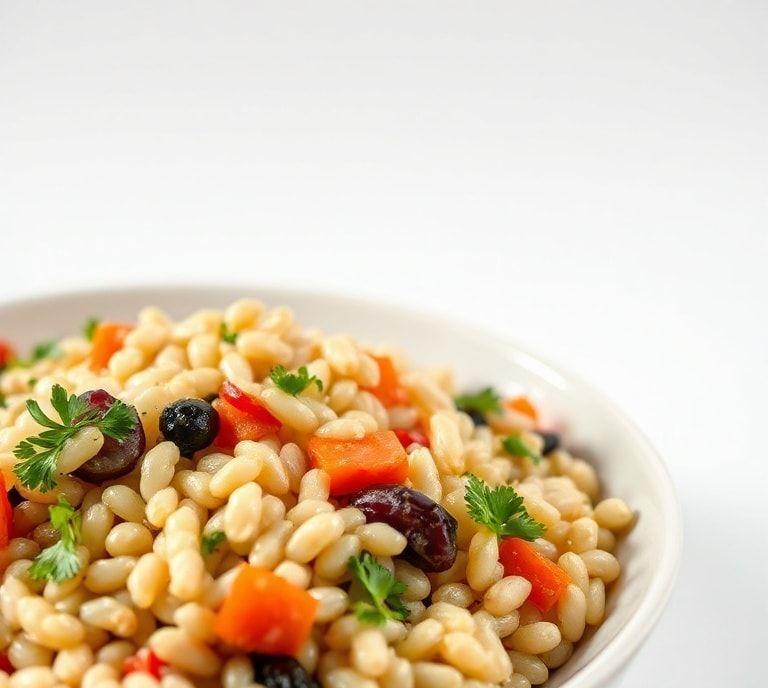
There’s something magical about pearl barley when it’s cooked just right. Its chewy texture is like a wonderful contrast to tender vegetables and broth, and it soaks up flavors like a sponge. In this recipe, we’ll pair it with a medley of seasonal vegetables, making it a flexible dish that you can adapt based on what you have in your kitchen.
This dish comes together in one pot-there’s no need for complicated prep work or fancy techniques. It’s all about getting that balance between the nutty taste of the barley, the savory depth of the vegetables, and a broth that ties everything together. Perfect for a cozy dinner or as a light lunch.
Ingredients Needed
- 1 cup of pearl barley – This is the heart of the dish. Pearl barley is pre-cooked and polished, which means it has a slightly softer texture compared to other types of barley. If you’re looking for more of a bite, you could substitute with hulled barley, though it requires a longer cook time.
- 4 cups vegetable broth – Use a high-quality vegetable broth here, as it really forms the base of the flavor. Homemade broth is always a winner if you have it, but store-bought works too.
- 2 tablespoons olive oil – A good olive oil makes a world of difference in this recipe. It’s used to sauté the veggies and create a flavorful base.
- 1 onion, chopped – Onions provide sweetness and depth when sautéed. It’s always a good idea to let them cook down a bit to unlock their natural sugars.
- 2 carrots, diced – Carrots add color, crunch, and a slight sweetness to the dish, which balances the earthiness of the barley.
- 2 celery stalks, diced – Celery brings a lightness to the dish and a nice crunch when cooked.
- 3 garlic cloves, minced – Garlic is a must for flavor; it’ll caramelize beautifully when sautéed, adding that irresistible fragrance to the entire dish.
- 1 zucchini, diced – Zucchini absorbs the flavors around it and adds a soft, smooth texture once cooked.
- 1 cup chopped kale or spinach – These leafy greens are packed with nutrients and add a nice contrast to the soft texture of the barley.
- 1 teaspoon dried thyme – Thyme’s earthy, slightly minty flavor pairs wonderfully with the barley and vegetables.
- Salt and pepper to taste – Seasoning is key! Don’t forget to taste and adjust as you go.
- Optional: A squeeze of lemon juice – This adds brightness and cuts through the richness of the dish.
Cooking Instructions
- Prepare the barley: Begin by rinsing the pearl barley under cold water to remove any residual starch. Set it aside.
- Sauté the aromatics: In a large pot, heat the olive oil over medium heat. Add the chopped onion, and cook for about 5 minutes, stirring occasionally, until the onions are softened and translucent. Toss in the garlic, carrots, and celery, and cook for another 5-7 minutes, allowing the vegetables to soften and develop flavor.
- Add the zucchini and broth: Once your aromatics are well-cooked, add the zucchini and the vegetable broth. Bring the mixture to a boil, then reduce the heat and let it simmer for 10 minutes.
- Cook the barley: Add the rinsed barley, thyme, salt, and pepper. Stir everything together and cover the pot. Let it simmer for 30-40 minutes, stirring occasionally. You’ll want the barley to be tender but still slightly chewy. Keep an eye on the liquid levels and add more broth or water if needed.
- Finish with greens: Once the barley is cooked to your liking, stir in the kale or spinach and cook for another 5 minutes, just until the greens are wilted.
- Taste and adjust: Before serving, give the dish a taste and adjust the seasoning. A squeeze of fresh lemon juice at this point will brighten up the flavors even more.
- Serve and enjoy! Ladle the barley and vegetable mixture into bowls, garnish with a little extra thyme or a drizzle of olive oil if desired, and enjoy the comforting, nourishing dish you’ve just created.
Ingredient Science Spotlight
Let’s take a closer look at pearl barley for a moment. Barley is one of the oldest cultivated grains in the world, and for good reason. Unlike refined grains, barley retains its bran and germ (at least in the case of hulled barley), which means it’s full of fiber, B vitamins, and essential minerals like magnesium, iron, and phosphorus. Pearl barley, while slightly processed to remove the outer husk, still maintains a lot of its nutritional value and is easier to cook than its hulled counterpart.
It’s also worth mentioning that barley is high in beta-glucan, a type of soluble fiber that’s known for supporting heart health by helping to lower cholesterol levels. This is one of the reasons why barley is so often recommended for overall health. Pairing it with nutrient-dense vegetables like kale, carrots, and onions makes this dish an all-around nutritional powerhouse.
Expert Tips
- Batch Cooking: This recipe doubles (or even triples) well, so if you’re meal prepping for the week, consider making a larger batch. It keeps in the fridge for up to 4 days, and the flavors only improve as it sits.
- Don’t Overcook the Barley: If you prefer a firmer texture, keep an eye on the barley while it simmers. You don’t want it to turn into mush. If you’re new to barley, start with a little less water, and you can always add more as needed.
- Flavor Enhancers: If you like a bit of heat, try adding a pinch of red pepper flakes when you’re sautéing the vegetables. A sprinkle of nutritional yeast at the end can also add a cheesy, savory flavor without dairy.
- Make it a One-Pot Meal: This recipe is designed to be a one-pot dish. If you want to make it even more substantial, consider adding beans like chickpeas or white beans for a plant-based protein boost.
Recipe Variations
- Mushrooms: If you love mushrooms, they’re a great addition. Just sauté them with the onions at the beginning to give them time to release their moisture and caramelize.
- Herb Swap: If thyme isn’t your favorite, rosemary or sage can be a great alternative, bringing in more robust flavors that complement the barley nicely.
- Add More Greens: You can easily add more greens to this dish. Swiss chard, collard greens, or even a handful of fresh parsley at the end will elevate the dish further.
- Add a Protein Punch: If you’re not strictly vegetarian, you can throw in some cooked chicken, turkey, or sausage to make it more hearty. If you prefer plant-based protein, tempeh or tofu can be pan-fried and added to the dish at the end.
Final Words
What makes this pearl barley vegetarian recipe so great is that it’s endlessly customizable. You can tweak the vegetables to match what’s in season or what you’ve got left in the fridge. It’s the kind of meal that adapts to you and your preferences. And at its core, it’s a reminder that a wholesome meal doesn’t need to be complicated-it just needs good ingredients and a little care.
This dish is a keeper in my house. It’s been a staple through the years, nourishing both body and soul. Every time I make it, I’m reminded that sometimes, the simplest meals are the most rewarding.
FAQs
What Are Some Popular Vegetarian Recipes Using Pearl Barley?
Pearl barley is a versatile grain that can be used in various vegetarian dishes. Some popular recipes include pearl barley salad with vegetables and herbs, pearl barley soup with legumes and greens, and pearl barley risotto with mushrooms. These dishes typically include pearl barley as the base, along with a variety of fresh vegetables, beans, or mushrooms, making them hearty and nutritious.
How Do You Cook Pearl Barley For A Vegetarian Recipe?
To cook pearl barley, rinse it thoroughly under cold water to remove any dust or debris. Then, use a 2:1 ratio of water to barley. Bring the water to a boil, then reduce the heat and simmer for 30-40 minutes, or until the barley is tender but still chewy. If you’re using it in a soup or stew, you can add it directly to the dish and cook it along with the other ingredients. For salads, cook the barley in advance and let it cool.
Can Pearl Barley Be Used As A Meat Substitute In Vegetarian Recipes?
Yes, pearl barley can serve as a meat substitute in vegetarian recipes due to its chewy texture and ability to absorb flavors. It is often used in place of meat in dishes like vegan risottos, stuffed vegetables, or grain-based salads. It provides a good amount of fiber, protein, and essential nutrients, making it a satisfying and nutritious option for vegetarians.