Navigating the world of vegetarian cooking can be a journey in itself, especially when you’re trying to strike a balance between flavor and nutrition. If you’re someone who enjoys the challenge of crafting meals that are both delicious and health-conscious, you’ve probably come across the need for high-protein, low-carb options. And when you’re vegetarian, that can feel like a tricky puzzle to solve. But I promise, it’s not as difficult as it sounds. In fact, it’s an opportunity to get creative with ingredients that might otherwise get overlooked.
I remember, not too long ago, I was trying to figure out how to keep my energy levels high without the constant carb overload. After trying different combinations and failing miserably (we’ve all been there, right?), I finally hit on a recipe that combined the best of both worlds-high protein, low carb, and completely vegetarian. And the bonus? It actually tastes amazing.
This recipe is one I’ve perfected over time. It’s packed with protein, won’t spike your blood sugar, and is full of flavors that make you wonder if healthy can actually taste this good.
High Protein Low Carb Vegetarian Recipe
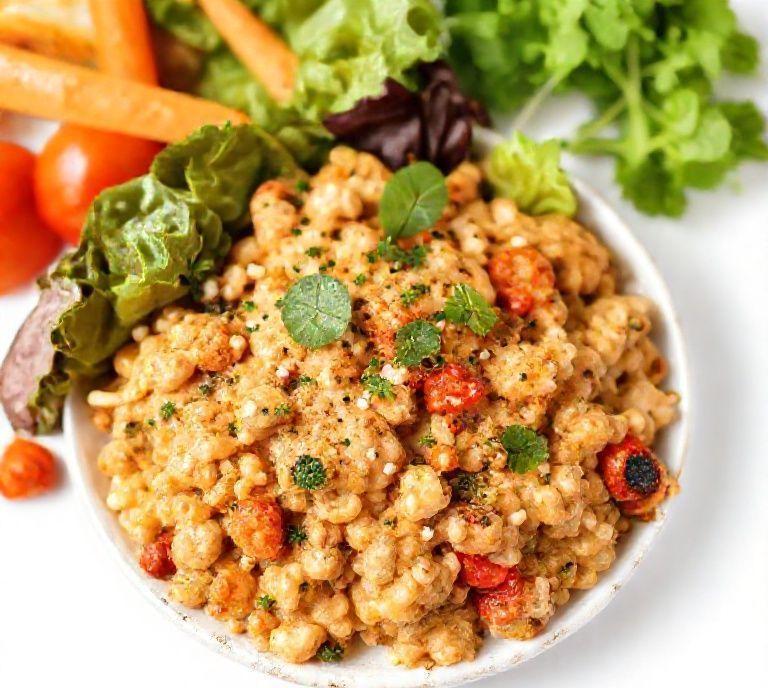
I’m excited to share with you a high-protein, low-carb vegetarian dish that not only fuels your body but is also simple enough to make on a busy weekday. This dish uses ingredients that are both accessible and full of nutritional punch. It’s perfect for those who want to maintain their energy, focus, and overall health, without having to rely on meat or excessive carbs.
Here’s the recipe that I’m all about these days:
Spicy Tofu & Veggie Stir-Fry With Peanut Sauce
Ingredients Needed
Here’s a rundown of what you’ll need for the recipe. You might already have some of these ingredients in your kitchen, and if not, they’re easy to find. Many of these are staples in my kitchen, and once you’ve tasted the flavor they bring, they’ll likely become your staples too.
- Firm tofu (1 block, drained and pressed)
- Broccoli florets (2 cups)
- Bell peppers (1 red and 1 yellow, sliced)
- Zucchini (1 medium, sliced)
- Mushrooms (1 cup, sliced)
- Garlic (3 cloves, minced)
- Ginger (1-inch piece, grated)
- Soy sauce (2 tablespoons, low-sodium preferred)
- Olive oil (for stir-frying, about 2 tablespoons)
- Cilantro (for garnish, optional)
- Peanut butter (3 tablespoons, smooth)
- Rice vinegar (1 tablespoon)
- Chili flakes (optional, for heat)
- Lime juice (fresh, 1 tablespoon)
Cooking Instructions
The beauty of this recipe is that it’s both quick and simple. Here’s how you’ll bring this vibrant dish together:
-
Prepare The Tofu
Start by draining the tofu and pressing it for at least 15 minutes to remove excess water (I use a kitchen towel and place something heavy on top-like a can of beans). Once that’s done, cut the tofu into cubes.
-
Make The Peanut Sauce
In a small bowl, whisk together the peanut butter, soy sauce, rice vinegar, lime juice, a splash of water, and a pinch of chili flakes. You want a smooth, creamy texture, so adjust with water to your liking.
-
Cook The Tofu
In a large pan, heat up olive oil over medium heat. Add the tofu cubes and cook them until they’re golden and crispy on all sides, about 7-10 minutes. Once done, set them aside.
-
Stir-fry The Veggies
In the same pan, add a bit more oil if needed and toss in the garlic, ginger, and your sliced veggies (broccoli, peppers, zucchini, and mushrooms). Stir-fry for about 5-7 minutes until they are tender-crisp. You still want a bit of bite to them, so don’t overcook!
-
Combine Everything
Return the tofu to the pan with the veggies. Drizzle the peanut sauce over the tofu and veggies, stirring to coat everything in that creamy goodness. Let it all cook together for another 2-3 minutes to allow the flavors to meld.
-
Serve And Garnish
Serve your stir-fry warm with a sprinkle of cilantro and extra chili flakes if you want a kick.
Ingredient Science Spotlight
Let’s take a minute to break down why each of these ingredients is so fantastic for a high-protein, low-carb vegetarian meal.
- Tofu: The star of the show. Tofu is a plant-based protein powerhouse. It’s made from soybeans and is low in carbs while providing a significant protein punch (one block can have about 20 grams of protein). It’s also rich in all nine essential amino acids, making it a complete protein source. Plus, it soaks up flavors really well, which is why it’s perfect in stir-fries like this.
- Peanut Butter: It might surprise you, but peanut butter is more than just a spread-it’s full of healthy fats and protein. While it does have some carbs, the fats and protein balance out, making it a good fit for low-carb diets. The fat content is mostly monounsaturated, which is heart-healthy.
- Broccoli: Low in carbs and high in fiber, vitamins, and minerals. It’s also rich in antioxidants, which can help reduce inflammation in the body. It’s an excellent veggie to pack into your meals for overall health.
- Bell Peppers & Zucchini: Both are low in carbs and high in water content, making them filling but not calorie-dense. They also contribute vital vitamins like vitamin C and A, which support immune function and skin health.
Expert Tips
Here are a few things I’ve learned over time to make this recipe even better:
-
Press Your Tofu Properly
You don’t want soggy tofu. I’ve learned the hard way that pressing tofu for at least 15-20 minutes is crucial if you want it to crisp up in the pan.
-
Add Flavor Early
Don’t just dump the peanut sauce at the end! Toss the tofu in a bit of soy sauce while it’s cooking to let it absorb some of that savory flavor. It makes a world of difference.
-
Mix Up The Veggies
If you have other vegetables in your fridge, feel free to experiment! Spinach, snap peas, or even cauliflower work great in this stir-fry. Just keep the cooking times in mind to avoid overcooking.
-
Make It Spicy
If you love heat, don’t hold back on the chili flakes. You can also add a dash of sriracha or fresh chopped chili to the sauce to amp up the spice factor.
Recipe Variations
-
Add Some Crunch
Toss in some roasted peanuts or sunflower seeds at the end for an added crunch. The texture contrast is lovely.
-
Swap Tofu For Tempeh
Tempeh is another great high-protein, low-carb vegetarian option. It’s a bit firmer than tofu and has a nuttier taste. Try it in place of tofu for a different flavor profile.
-
Zoodle It
Instead of rice or noodles, try using zucchini noodles (zoodles) as a base. You can sauté them for just a couple of minutes before adding the stir-fry on top. It’s a great way to reduce carbs even further.
Final Words
What I love most about this dish is that it can adapt to whatever mood I’m in. Want something spicier? Add more chili. Looking for a different protein source? Tempeh’s got your back. It’s a simple yet satisfying recipe that you can adjust based on what’s in your fridge or what you’re craving.
This dish is a perfect example of how high-protein, low-carb vegetarian meals don’t have to be bland or restrictive. They can be full of flavor, texture, and nutrition.
FAQs
What Are Some Examples Of High Protein Low Carb Vegetarian Foods?
Some high protein, low carb vegetarian foods include tofu, tempeh, seitan, edamame, chia seeds, hemp seeds, almonds, and leafy greens like spinach and kale. Legumes such as lentils and chickpeas are also great sources of protein, though they contain more carbs, so portion size should be managed in low-carb recipes.
How Can I Make A High Protein Low Carb Vegetarian Recipe Without Using Soy Products?
If you want to avoid soy, you can use alternatives such as seitan (wheat gluten), chickpeas, lentils, quinoa, and various nuts and seeds like pumpkin or sunflower seeds. Additionally, incorporating non-starchy vegetables such as zucchini, cauliflower, and broccoli can increase fiber content while keeping carbs low.
Can High Protein Low Carb Vegetarian Recipes Help With Weight Loss?
Yes, high protein low carb vegetarian recipes can support weight loss. Protein helps promote satiety, reducing hunger and preventing overeating, while low-carb meals can help regulate blood sugar levels and minimize insulin spikes, which may contribute to fat storage. Pairing these meals with regular exercise and a balanced diet can enhance weight loss efforts.