Stir-fry rice. There’s something about the simplicity and versatility of this dish that makes it feel like a warm embrace on a busy day. It’s the kind of meal that can be thrown together in 20 minutes, and yet, it feels as though you’ve spent hours crafting something special. Whether you’re a seasoned cook or a beginner just finding your rhythm in the kitchen, stir-fry rice is one of those dishes that can make anyone feel like a culinary artist.
But here’s the thing – this version isn’t just any stir-fry rice. We’re talking about a vibrant, plant-powered vegetarian recipe that’s bursting with flavor, color, and texture. It’s the perfect way to create a healthy, hearty meal with ingredients you probably already have lying around. Not to mention, it’s so satisfying that you won’t miss the meat one bit. Trust me, if you’re looking for a new twist on a comfort food classic, this recipe might just be your new go-to.
Stir-fry Rice Vegetarian Recipe
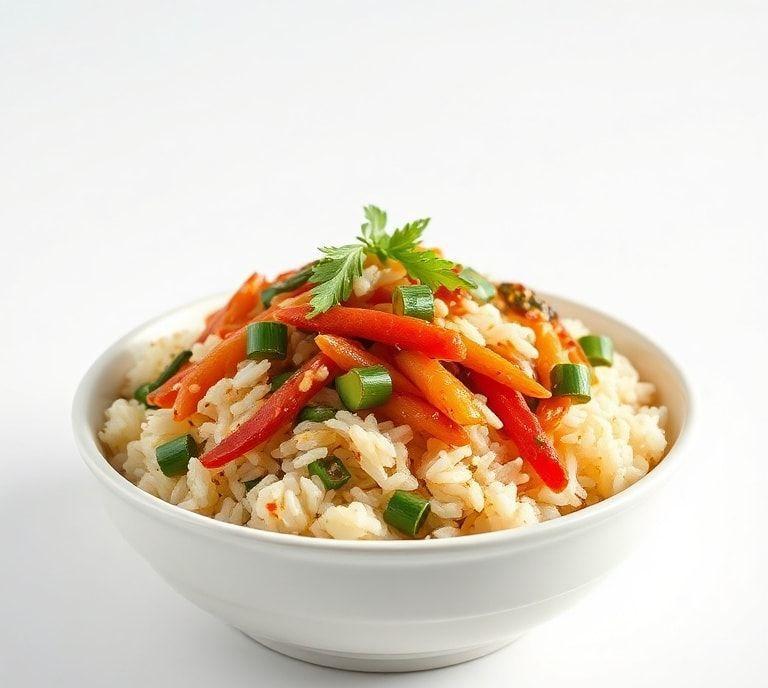
This vegetarian stir-fry rice is a celebration of simplicity. You can make it with a variety of vegetables and grains, giving you the flexibility to clean out the fridge or put your own spin on things. The key here is to keep the flavors fresh, the textures varied, and the seasoning balanced.
What I love about this recipe is that it doesn’t follow a strict formula. It’s one of those dishes you can make your own, adding or subtracting based on what you have available or what flavors you’re in the mood for. Some nights, I’ll throw in a handful of mushrooms, and other times, it’s all about the crispy tofu. Whatever route you go, this dish is sure to leave you feeling nourished and satisfied.
Ingredients Needed
The ingredients for this stir-fry rice are as simple as they are flavorful. I’ve found that there are a few essentials that make this recipe stand out, while the rest can be adjusted depending on your preferences.
The Basics
- Rice: I typically use jasmine rice for its fragrance and soft texture, but brown rice or basmati also work beautifully.
- Vegetables: A mix of fresh, crunchy veggies like bell peppers, carrots, and peas is key. These give the dish its color and texture. You can also use mushrooms, spinach, or zucchini.
- Garlic and Ginger: These two ingredients form the aromatic base for the stir-fry. They infuse the rice with a rich, savory depth.
- Soy Sauce: A splash of soy sauce brings a salty umami punch, which is essential for the stir-fry flavor. For a lighter option, tamari or coconut aminos work as gluten-free substitutes.
- Oil: Vegetable oil or sesame oil adds that smooth, slightly nutty flavor to the stir-fry. Sesame oil is my personal favorite for the added richness.
- Tofu: If you want to make this dish more substantial, tofu is a great protein option. It absorbs the flavors of the stir-fry beautifully.
- Green onions: These provide a nice crisp finish on top of the dish.
Optional Add-ins
- Chili flakes for a kick of heat.
- Edamame for extra protein and color.
- Cashews or peanuts for crunch.
- A drizzle of sriracha if you like things spicy.
Cooking Instructions
The beauty of stir-fry is in its speed and simplicity. Here’s how you can create a vibrant, vegetarian stir-fry rice in just a few steps:
- Prepare the Rice: Start by cooking the rice ahead of time. I recommend day-old rice if you have it, as it fries better. If you don’t have leftover rice, cook it, let it cool, and spread it out on a tray to dry a bit.
- Prep the Veggies: While the rice is cooling, chop your vegetables. I like to cut them into small, bite-sized pieces so they cook evenly and get that lovely crispy texture when stir-fried.
- Tofu (if using): If you’re adding tofu, press it to remove excess moisture, then cut it into cubes. Heat a little oil in a large skillet or wok over medium-high heat. Add the tofu and cook until golden and crispy on all sides. Set it aside.
- Sauté the Aromatics: In the same pan, add a bit more oil. Toss in the garlic and ginger, and sauté for a minute or two, until fragrant. The smell alone is enough to make your mouth water.
- Stir-fry the Veggies: Add your veggies to the pan in stages, starting with the ones that take the longest to cook, like carrots and bell peppers. Stir-fry them for about 3-5 minutes, then add the quicker-cooking veggies like peas and spinach.
- Combine Everything: Add the cooled rice to the pan with the vegetables. Drizzle in the soy sauce and stir everything together. If you’re adding tofu, toss it back in at this point. Continue stirring for another 2-3 minutes, allowing the rice to get slightly crispy.
- Final Touches: Finish with a sprinkle of green onions and any optional toppings you like – chili flakes, cashews, or a splash of sriracha.
Ingredient Science Spotlight
Let’s take a deeper look at some of the key ingredients and why they’re so important for the dish.
- Rice: Rice is the star of this dish, and its texture plays a huge role. Day-old rice has a firmer, drier texture, which makes it ideal for stir-frying. Fresh rice, on the other hand, can turn mushy and stick together. Jasmine rice, with its floral aroma, adds a fragrant note to every bite.
- Garlic & Ginger: Both garlic and ginger are powerhouses in terms of flavor. Garlic, with its sharp, savory depth, adds that irresistible aroma when sautéed. Ginger provides a zesty, slightly peppery heat that balances out the richness of the oil and soy sauce.
- Tofu: Tofu, when cooked right, is the unsung hero of many vegetarian dishes. It soaks up flavors beautifully and provides a soft, creamy contrast to the crispy veggies and rice. Plus, it’s a great source of plant-based protein.
Expert Tips
- Use cold rice: If you’re cooking fresh rice, let it cool completely, or ideally, use leftover rice. Cold rice fries better and results in a non-clumpy, perfectly fried dish.
- Don’t overcrowd the pan: Stir-frying works best when you give each ingredient room to breathe. If the pan is too crowded, your veggies will steam instead of fry, which will make the dish less crispy and flavorful.
- Flavor balance: Soy sauce is salty, but don’t forget to taste as you go. Add a splash of lime or vinegar if you need a touch of acidity to balance out the richness.
Recipe Variations
One of the best things about stir-fry rice is how adaptable it is. Here are a few variations to suit your mood or dietary preferences:
- Mushroom Stir-Fry Rice: Add a mix of shiitake, portobello, or cremini mushrooms for an earthy, umami-packed twist.
- Fried Rice with Pineapple: Toss in some chunks of fresh pineapple for a tropical, sweet-and-savory combination. It’s like a twist on the classic Chinese fried rice with a bit of a vacation vibe.
- Spicy Peanut Stir-Fry Rice: For a richer, more indulgent dish, toss in some peanut butter or peanut sauce. Add chili flakes for heat and a handful of chopped peanuts for crunch.
- Green Goddess Stir-Fry Rice: Blend up some fresh herbs (like basil, cilantro, and mint) with a bit of lime juice and olive oil to create a fresh herb sauce that you can stir into your fried rice for a vibrant, green kick.
Final Words
Stir-fry rice is one of those dishes that feels like a celebration of whatever ingredients you have on hand. It’s quick, customizable, and undeniably satisfying. Whether you’re making it for yourself after a long day or serving it up for a dinner party, this recipe will never let you down.
FAQs
What Ingredients Are Essential For A Vegetarian Stir-fry Rice?
A basic vegetarian stir-fry rice typically includes cooked rice (preferably day-old for better texture), a variety of fresh or frozen vegetables such as bell peppers, carrots, peas, and broccoli, aromatics like garlic, onion, and ginger, and seasonings such as soy sauce, sesame oil, and optional chili or hoisin sauce. Tofu or tempeh can be added for extra protein.
How Can I Make Sure The Rice Does Not Become Mushy When Stir-frying?
To prevent mushy rice, use rice that has been cooked and cooled beforehand, ideally refrigerated for several hours or overnight. Use a wok or large nonstick skillet on high heat, stir quickly and evenly, and avoid adding too much liquid during the stir-frying process. Breaking up any clumps before cooking also ensures even texture.
Can I Make A Healthy Version Of Vegetarian Stir-fry Rice?
Yes, a healthy version can be made by using brown rice, quinoa, or cauliflower rice instead of white rice. Limit oil to one or two teaspoons, increase the quantity and variety of vegetables, and use low-sodium soy sauce or tamari. Adding plant-based proteins such as tofu, tempeh, or edamame also boosts the nutritional value without sacrificing flavor.