Lasagna-there’s something almost magical about the combination of warm, cheesy layers, the richness of tomato sauce, and the comforting bite of pasta. It’s a dish that spans generations, often found at family gatherings, and an easy go-to when feeding a crowd. But what if I told you there’s a way to enjoy all the heartwarming goodness of a classic lasagna, but with a plant-based twist?
Enter the Vegetarian Vegetable Lasagna-a recipe that swaps the usual meat filling for a hearty medley of vegetables, offering a healthier, just-as-satisfying alternative that never compromises on flavor. Whether you’re a full-time vegetarian, simply looking to lighten up your meals, or just want to sneak in more vegetables into your diet, this lasagna is for you. It’s everything you love about traditional lasagna, but with a bit more color and a lot more veggies!
Now, let’s dive into the details and walk through this simple yet delicious recipe together. Get ready to make something that’s sure to become a staple in your kitchen.
Vegetarian Vegetable Lasagna Recipe
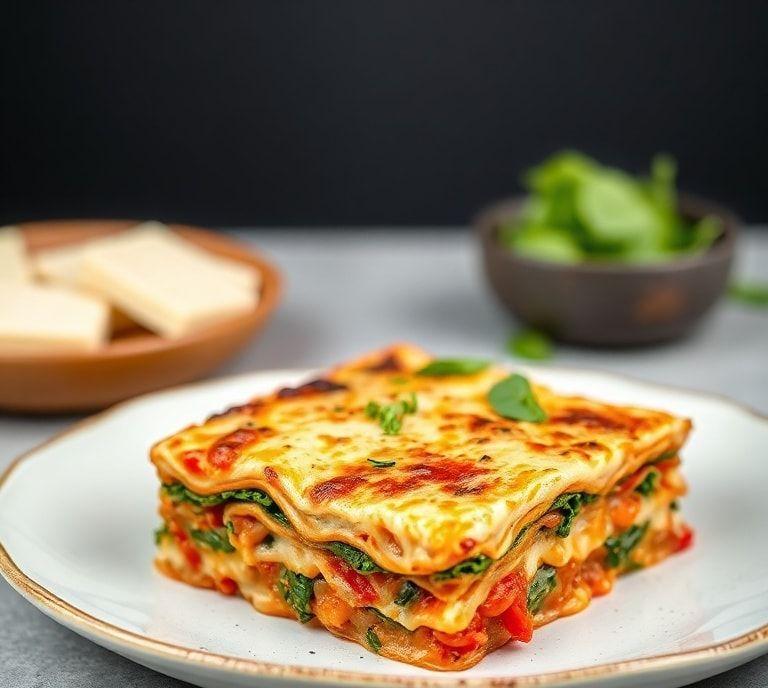
This vegetarian lasagna is one of my all-time favorites-not just because it’s packed with flavor, but because it’s so adaptable. You can make it your own by switching up the veggies or experimenting with different cheeses. You can even prepare it in advance, making it a perfect option for meal prepping or feeding a crowd. What’s better than a dish that makes your kitchen smell amazing while being easy to assemble?
Ingredients Needed
To make this vegetarian lasagna, you’ll need the following ingredients:
For The Sauce
- 2 tablespoons olive oil
- 1 onion, finely chopped
- 3 cloves garlic, minced
- 2 cans (14 oz each) crushed tomatoes
- 1 can (6 oz) tomato paste
- 1 tablespoon dried oregano
- 1 teaspoon dried basil
- Salt and pepper to taste
- A pinch of red pepper flakes (optional, if you like a little heat!)
For The Vegetable Filling
- 1 medium zucchini, thinly sliced
- 1 cup mushrooms, sliced
- 1 red bell pepper, diced
- 1 cup spinach (fresh or frozen)
- 1 small eggplant, diced (optional)
- 2 tablespoons olive oil
- Salt and pepper to taste
For The Ricotta Mixture
- 15 oz ricotta cheese
- 1 cup shredded mozzarella cheese
- 1/2 cup grated Parmesan cheese
- 1 egg (or 1/4 cup of egg substitute for a vegan version)
- 1 tablespoon fresh basil, chopped
- 1 teaspoon garlic powder
For The Pasta
- 12 lasagna noodles (regular or no-boil)
- Fresh basil leaves for garnish (optional)
Cooking Instructions
-
Prepare The Sauce
Start by heating the olive oil in a large pan over medium heat. Add the chopped onion and garlic, sautéing until they’re soft and fragrant, about 3-4 minutes. Add the crushed tomatoes, tomato paste, oregano, basil, salt, and pepper. Stir everything together, bring it to a simmer, and let it cook for about 20-30 minutes. You’ll want to keep an eye on it, adjusting seasoning as you go.
-
Sauté The Vegetables
While your sauce is simmering, heat the remaining olive oil in another pan over medium heat. Add the zucchini, mushrooms, bell pepper, and eggplant (if using). Season with a little salt and pepper and cook for about 7-10 minutes until everything is tender. Add the spinach in the last few minutes of cooking, allowing it to wilt down. Remove from heat and set aside.
-
Prepare The Ricotta Mixture
In a large bowl, combine the ricotta cheese, mozzarella, Parmesan, egg, chopped basil, and garlic powder. Mix everything together until smooth and well combined.
-
Assemble The Lasagna
Preheat your oven to 375°F (190°C). If you’re using regular lasagna noodles, cook them according to the package directions and drain. Then, in a large baking dish, spread a thin layer of the tomato sauce on the bottom. Layer the lasagna noodles on top, followed by a generous scoop of the ricotta mixture, then the sautéed vegetables, and finally more tomato sauce. Repeat the layers, ending with a layer of sauce on top. Finish by sprinkling some extra mozzarella and Parmesan cheese on top for that golden, bubbly finish.
-
Bake The Lasagna
Cover the lasagna with foil and bake for about 25 minutes. Then, remove the foil and bake for an additional 10-15 minutes until the cheese is melted and the top is golden brown. Let it sit for 10 minutes before slicing-it’ll help the layers set and prevent it from being too runny.
Ingredient Science Spotlight
You might wonder: what makes this lasagna not only delicious but also nourishing? Let’s dive into the science behind a few key ingredients.
Tomatoes are rich in lycopene, a powerful antioxidant known for its potential cancer-fighting properties. Cooking tomatoes actually enhances the bioavailability of lycopene, meaning you’re getting even more of the good stuff when they’re part of a hearty sauce like the one in this recipe.
Spinach is packed with iron and vitamin K, both of which are important for blood health and bone strength. It’s also a great source of folate, making it an especially good option for pregnant women or anyone looking to boost their intake of this essential nutrient.
Eggplant (if you use it) is a great source of fiber, which aids digestion and helps keep you feeling full longer. Plus, it has a lot of antioxidants, including nasunin, which can help protect your brain cells.
Lastly, the cheese in this dish brings in calcium, protein, and healthy fats. If you’re using a plant-based ricotta alternative, there are plenty of great vegan cheeses that can still give you that creamy, indulgent texture and boost of protein.
Expert Tips
- Don’t Overload on Sauce: Too much sauce can make your lasagna soggy. Layering the sauce just enough to coat the noodles and veggies is key. It ensures each bite is perfectly balanced.
- Use Fresh Herbs: Fresh basil, oregano, and thyme can make a huge difference in flavor. I love to sprinkle some fresh basil leaves on top after it’s baked-adds a lovely aromatic finish!
- Make It Ahead: Lasagna often tastes better the next day as the flavors have time to meld together. You can assemble it ahead of time, refrigerate it for up to a day, and bake it just before serving.
- Mix the Veggies: Feel free to experiment with other vegetables! Caramelized onions, roasted butternut squash, or even sweet potato would make excellent additions. Just make sure to cook any watery vegetables (like zucchini) before adding them to avoid excess moisture.
Recipe Variations
This vegetarian lasagna can be modified in many ways to suit your preferences. Here are a few variations to consider:
- Vegan Version: Swap the ricotta and mozzarella for plant-based alternatives. You can use cashew-based ricotta or even tofu to mimic the texture of the ricotta mixture.
- Gluten-Free Version: Use gluten-free lasagna noodles or try using thinly sliced zucchini or sweet potato as your “noodle” layers.
- Spicy Kick: Add a layer of sautéed hot peppers, or sprinkle some chili flakes in the sauce for a bit of heat.
- Meat Lovers’ Option: If you’re not strictly vegetarian, you can add some cooked ground beef or sausage to the vegetable filling for a more traditional lasagna feel.
Final Words
Vegetarian lasagna doesn’t have to be a sad substitute for the real thing. In fact, it might just become your new favorite! The combination of fresh vegetables, creamy cheese, and hearty pasta layers is a balance of textures and flavors that will leave everyone at the table smiling. It’s a celebration of all the goodness that comes from the garden and can be enjoyed by vegetarians, meat-lovers, and anyone in between.
FAQs
What Vegetables Can I Use In A Vegetarian Vegetable Lasagna?
You can use a variety of vegetables in a vegetarian vegetable lasagna, such as spinach, zucchini, mushrooms, bell peppers, onions, eggplant, and carrots. It’s also common to include broccoli, cauliflower, and even butternut squash for a sweeter flavor. The key is to ensure the vegetables are cooked or sautéed to remove excess moisture before layering them in the lasagna.
Can I Make Vegetarian Vegetable Lasagna Ahead Of Time?
Yes, you can make vegetarian vegetable lasagna ahead of time. Simply assemble the lasagna, cover it tightly with plastic wrap or foil, and refrigerate for up to 24 hours before baking. You can also freeze the lasagna for up to 3 months. If freezing, bake it directly from the freezer, but extend the baking time by about 15-20 minutes.
What Kind Of Cheese Should I Use In A Vegetarian Vegetable Lasagna?
The most common cheeses used in vegetarian vegetable lasagna are ricotta, mozzarella, and Parmesan. Ricotta adds a creamy texture, mozzarella provides gooeyness and meltiness, while Parmesan gives a sharp, savory flavor. You can also substitute part of the ricotta with cottage cheese for a lighter option, or try vegan cheese alternatives for a plant-based version.