
There are certain dishes that hold a kind of magic. They evoke warmth, comfort, and nostalgia with just a whiff of their aroma in the air. Sofrito is one of those dishes for me-a kitchen staple, often the starting point for many beloved Caribbean and Latin dishes. It’s more than just a mixture of vegetables and herbs; it’s the flavor foundation of countless meals that tell a story of culture, family, and tradition.
Growing up, the smell of sofrito simmering on the stove was a constant background note to my childhood. I remember standing beside my grandmother, watching as she effortlessly blended fresh onions, peppers, garlic, and cilantro, often accompanied by a splash of tomato or a pinch of spices. Her sofrito, rich with flavor, would be the base for stews, rice, beans, and even soups. The whole house would smell like home.
One day, I decided to create my own version of this magical concoction-but with a twist. I wanted to keep the soul of sofrito intact, but also make it vegetarian-friendly. After all, sofrito is as versatile as it is flavorful, and there’s no reason it can’t be enjoyed by everyone. Whether you’re cooking for a meatless Monday or simply want a fresh take on a classic, this vegetarian sofrito recipe brings the depth and complexity of flavor without any animal products.
Vegetarian Sofrito Recipe
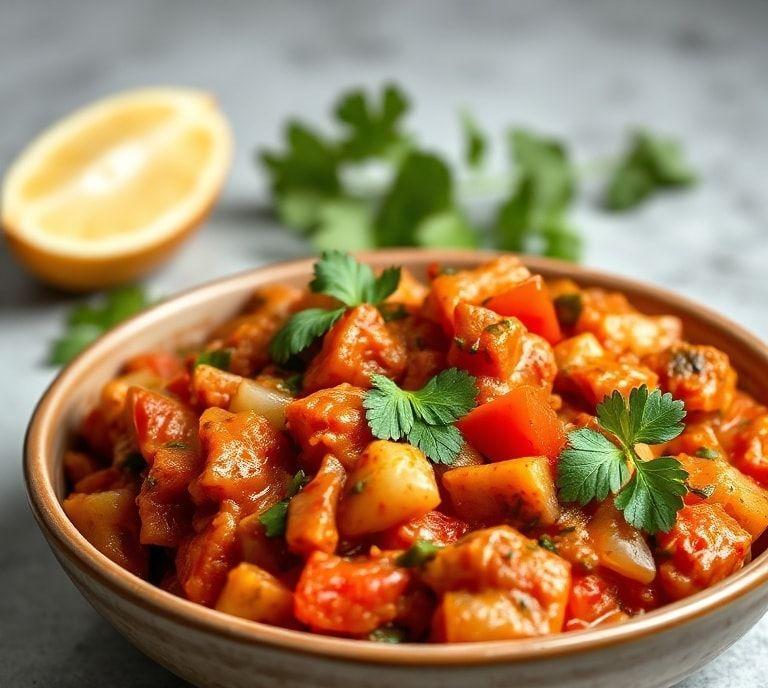
This vegetarian sofrito recipe is simple yet packed with layers of flavor. It’s the perfect starting point for any dish-whether you’re making a flavorful rice dish, seasoning beans, or even using it as a base for a vegetable stew. What I love most about it is that it requires minimal effort, but the outcome feels like you’ve spent hours creating something truly special.
Ingredients Needed
Here’s what you’ll need to make the perfect vegetarian sofrito:
- 1 medium onion (yellow or white): This adds sweetness and depth to the sofrito.
- 1 red bell pepper: Adds a touch of color and sweetness.
- 1 green bell pepper: For that vibrant, earthy flavor.
- 4 cloves of garlic: The essence of any sofrito, garlic gives that unmistakable punch.
- 1 bunch of cilantro: Fresh, bright, and slightly citrusy, it lifts the entire dish.
- 1 large tomato (or ½ cup tomato paste): This adds umami, bringing richness to the base.
- 1-2 tablespoons olive oil: To sauté everything to perfection.
- Salt and pepper to taste: Because even a classic needs its seasoning.
- Optional: A few fresh herbs like oregano or bay leaves, if you like to customize the flavor profile.
Cooking Instructions
-
Prep Your Veggies
Start by dicing your onion, peppers, and tomato. Mince the garlic finely, and chop the cilantro roughly (you can use the stems too; they hold flavor!). Set all these aside so you’re ready to go.
-
Heat The Pan
In a medium pan, heat the olive oil over medium heat. Let the oil heat up for about 30 seconds.
-
Sauté The Onion & Peppers
Add the diced onions and bell peppers to the pan. Sauté for about 5-7 minutes until they begin to soften and become translucent. Stir occasionally so they don’t brown, but just soften and release their sweetness.
-
Add Garlic
Once the onions and peppers have softened, toss in the minced garlic. You want the garlic to cook for just about 1-2 minutes-until it’s fragrant and golden. Be careful not to burn it, as that can turn your sofrito bitter.
-
Tomato And Seasonings
Add the chopped tomato (or tomato paste if you’re using it) and stir. This will create a slight sauce, which will thicken as it cooks. Season with salt, pepper, and any additional herbs. If you’ve got bay leaves or dried oregano, throw them in now.
-
Simmer & Stir
Let everything simmer together for about 10-15 minutes, stirring occasionally, until everything melds together into a thick, aromatic mixture. The oil should begin to separate a little, which means it’s ready.
-
Finish With Fresh Cilantro
When your sofrito is done cooking, stir in the chopped cilantro. Let it sit for a few minutes to infuse its fresh, herbal flavor into the sofrito. The heat from the pan will gently cook the cilantro, releasing its oils and enhancing the overall flavor.
-
Blend Or Leave Chunky
Depending on your preference, you can blend the sofrito for a smoother texture, or leave it chunky for a more rustic feel. I usually opt for chunky, as it gives a little more texture to whatever dish you’re making.
Ingredient Science Spotlight
Let’s talk about why these ingredients work so well together. Each one contributes something unique to the dish.
- Onions and Peppers: The foundation of sofrito, these vegetables are packed with sugars that caramelize when sautéed, creating a deep, rich flavor. They’re also full of vitamins (like vitamin C and antioxidants), adding both flavor and nutrition to the mix.
- Garlic: Garlic isn’t just aromatic; it’s also a powerful antioxidant, with anti-inflammatory properties. It brings that savory ’umami’ that deepens the whole dish.
- Cilantro: Beyond its freshness, cilantro is rich in vitamins A and C, and it’s known for its ability to aid digestion. Its flavor-citrusy, bright, and earthy-lifts up the sofrito in a way that’s truly signature.
- Tomatoes: Tomatoes are packed with umami, that elusive savory taste that makes dishes feel ’full’ and satisfying. They also add a slight tang, balancing the sweetness of the peppers.
- Olive Oil: The heart of any sofrito, olive oil brings richness and helps carry all those flavors together. Plus, it’s a great source of healthy fats and antioxidants.
Expert Tips
- Don’t Rush the Sautéing: Take your time sautéing the onions and peppers. The more you let them cook slowly, the more caramelization and depth of flavor you’ll get.
- Use Fresh Ingredients: While canned tomatoes and dried cilantro will work in a pinch, nothing beats the flavor of fresh vegetables and herbs. Freshness is key in making a sofrito that’s vibrant and alive.
- Make Extra: Sofrito freezes really well. I like to make a double batch, use what I need, and freeze the rest in small containers or ice cube trays for future meals. It’s a game changer when you’re short on time.
- Customizable: If you want a little heat, feel free to add a chopped jalapeño or a sprinkle of crushed red pepper flakes. Sofrito can adapt to your tastes.
Recipe Variations
While this is the classic vegetarian version, there’s plenty of room for creativity. You can adjust the sofrito to suit whatever you’re cooking.
- Add More Herbs: Try adding parsley, thyme, or even a bay leaf or two for a more aromatic version of the base.
- Add Roots: For a deeper, earthier flavor, you could throw in a small piece of grated carrot or a parsnip.
- Sweeten It Up: For a unique twist, try adding a small apple or pineapple. The natural sweetness will balance the acidity of the tomato, giving the sofrito a tropical flair.
- Add Spices: A pinch of cumin, paprika, or a dash of smoked paprika can take your sofrito to a whole new level of flavor complexity.
Final Words
There’s something really magical about making your own sofrito. The aroma that fills the kitchen is its own kind of happiness. Whether you use it as a base for a vegetable stew, a topping for beans, or stir it into rice, this vegetarian sofrito recipe is your ticket to bringing more flavor to your cooking.
What I love most about this recipe is how it ties together simplicity with depth. It’s a dish that’s easy to make but brings an enormous amount of flavor to the table. If you’re new to cooking or a seasoned pro, sofrito is something every cook should know how to make-it’s versatile, powerful, and full of heart.
FAQs
What Ingredients Are Typically Used In A Vegetarian Sofrito?
A vegetarian sofrito typically includes aromatic vegetables and herbs such as onions, garlic, bell peppers, tomatoes, and cilantro. Additional ingredients may include carrots, celery, or ají peppers, depending on regional variations. Olive oil is commonly used for sautéing, and optional spices like paprika or cumin can be added to enhance flavor.
How Can I Make A Vegetarian Sofrito That Has A Long Shelf Life?
To extend the shelf life of vegetarian sofrito, cook the ingredients slowly in olive oil until they are soft and fragrant, then allow the mixture to cool completely. Store it in an airtight container in the refrigerator for up to one week, or freeze in small portions for up to three months. Using sterilized jars and ensuring the mixture is covered with oil can also help preserve freshness.
What Dishes Can I Use Vegetarian Sofrito In?
Vegetarian sofrito serves as a versatile base for many dishes. It can be used in soups, stews, rice dishes, beans, and sauces. It enhances the flavor of pasta sauces, stir-fries, and even vegetarian casseroles. Essentially, it can replace the traditional sautéed onion and garlic base in almost any recipe for a richer, aromatic taste.