I’ve always been captivated by the magic of curry. The rich, aromatic layers of flavor, the blend of spices that dance on your tongue-there’s something so comforting about it. But what makes curry even better? Making it from scratch. I remember the first time I tried crafting my own curry paste. It felt like I was tapping into some ancient culinary tradition, blending ingredients with purpose and intention. The result was a curry that was vibrant, bold, and deeply satisfying-far beyond anything I’d ever tasted from a jar. And when I realized how simple it was to craft a vegetarian red curry paste, the door to endless curry variations opened wide.
This recipe for vegetarian red curry paste is a game-changer. You can use it as the foundation for everything from hearty stews to vibrant noodle dishes. And even if you’re not a die-hard chef in the kitchen, this recipe is so straightforward that it’ll have you feeling like an expert in no time. So, whether you’re looking to switch things up in your weekly dinner routine or just craving something comforting and full of flavor, this curry paste will deliver.
Vegetarian Red Curry Paste Recipe
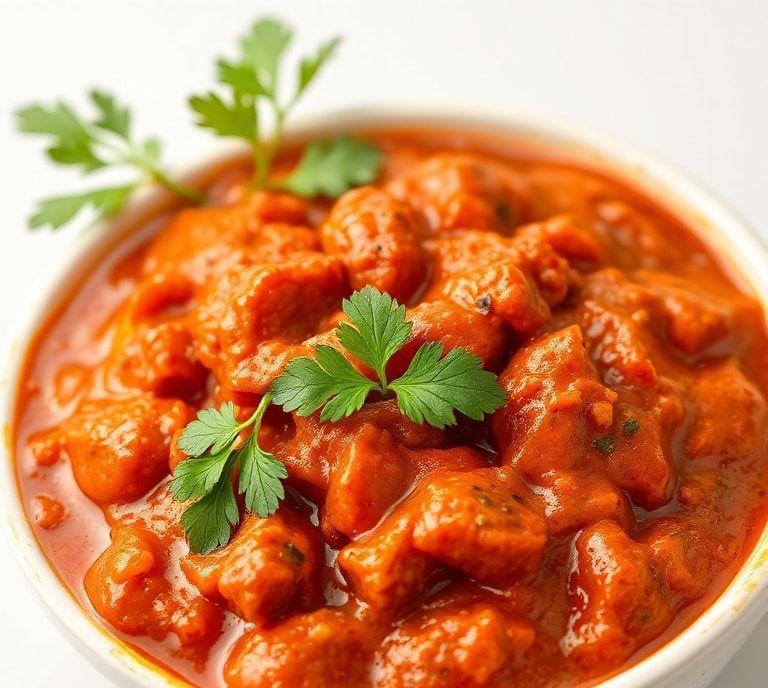
If you’ve ever tasted a rich, spicy red curry, you know it’s a combination of various ingredients that brings both heat and depth. The balance of herbs and spices in the red curry paste can make or break a dish. My version of this paste is 100% vegetarian, so it’s packed with bold flavors without relying on any animal-based products. Let’s dive into the recipe itself.
Ingredients Needed
For this vegetarian red curry paste, you don’t need any obscure or hard-to-find ingredients, but it’s the quality of what you use that really makes the difference. Here’s what you’ll need:
- Dried red chilies (about 10-12 for medium heat): They are the backbone of the paste, giving it that vibrant red hue and spicy kick.
- Lemongrass stalks (2, chopped): Lemongrass adds that citrusy, fresh note that balances out the richness of the paste.
- Shallots (3 medium-sized): Shallots offer a more delicate sweetness than onions and melt into the paste beautifully.
- Garlic (4 cloves): Garlic provides the grounding warmth that complements the chilies and spices.
- Galangal (1-2 inches, or substitute with ginger if necessary): Galangal gives a unique peppery, slightly citrusy flavor. If you can’t find it, ginger is a great substitute.
- Kaffir lime leaves (3-4): These are essential for that unmistakable limey fragrance, giving the paste that extra layer of complexity.
- Coriander root (optional, 1 root): If you can get your hands on fresh coriander roots, it adds a depth of flavor that’s unmatched, but stems or even ground coriander will work if not.
- Cumin seeds (1 tsp): Cumin rounds out the flavor, giving the paste a smoky undertone.
- Coriander seeds (1 tsp): These seeds add a warm, citrusy tone, brightening the whole paste.
- Salt (to taste): Salt is your flavor enhancer, so use it wisely.
- Vegetable oil (1-2 tbsp): You’ll need this for blending the paste into a smooth consistency.
Cooking Instructions
Making your own curry paste might sound intimidating, but trust me, it’s so much easier than it seems. Let me walk you through it step by step:
- Prepare the dried chilies: Start by removing the seeds and soaking the dried red chilies in warm water for about 20 minutes. This will soften them and make them easier to blend.
- Toast the spices: In a dry pan over medium heat, toast the cumin and coriander seeds for about 2-3 minutes until they release their fragrance. This step adds a layer of complexity to the paste, so don’t skip it! Set the seeds aside once they’re done.
- Blend the paste: In a food processor or mortar and pestle, combine the soaked chilies, toasted cumin, coriander seeds, chopped lemongrass, garlic, shallots, galangal (or ginger), kaffir lime leaves, and salt. Add the vegetable oil a little at a time until the mixture becomes a smooth, paste-like consistency. If you’re using a mortar and pestle, it might take a little more elbow grease, but it’s totally worth it. (The smell is incredible.)
- Adjust the seasoning: Taste the paste and adjust as needed. If you want more heat, add a couple more chilies. If you’re after more citrus, throw in an extra kaffir lime leaf or a squeeze of lime juice.
- Store the paste: Once the paste is blended to perfection, you can use it right away or store it in an airtight container in the fridge for up to a week. It also freezes really well, so feel free to make a larger batch and keep some for future meals.
Ingredient Science Spotlight
Let’s take a moment to appreciate the science behind some of these ingredients. Each one plays a unique role in the final flavor profile.
- Chilies: The heat from dried chilies comes from capsaicin, a compound that binds to receptors in your mouth to produce a burning sensation. But it’s not just about heat-chilies bring a smoky, earthy depth that gives your curry paste that signature punch.
- Lemongrass and Kaffir Lime Leaves: These two ingredients are all about balancing the heat with freshness. The citrus oils in both lemongrass and lime leaves have volatile compounds that brighten the curry and cut through the richness of coconut milk or broth. It’s this balance that makes curries so addictive.
- Galangal: Often compared to ginger, galangal has a sharper, more peppery note with a hint of citrus. It works in tandem with the lemongrass and lime leaves to create that signature Southeast Asian flavor profile.
- Cumin and Coriander Seeds: These toasted spices contribute earthy, warming flavors. Cumin’s smokiness pairs perfectly with coriander’s citrusy, floral notes, creating the base for many global curries.
Expert Tips
- Fresh vs. Dried Chilies: If you prefer a milder curry paste, you can use fresh chilies instead of dried. However, dried chilies pack more concentrated heat and flavor, so they’re often the go-to for a deeper, richer paste.
- Mortar and Pestle vs. Food Processor: While a food processor is faster and more convenient, using a mortar and pestle allows for a smoother, more textured paste. Plus, the act of grinding spices releases more essential oils, giving your curry paste an added depth of flavor.
- Let the paste rest: If you have time, let your curry paste rest for a few hours (or even overnight). This allows the flavors to meld together, and the paste becomes even more flavorful.
- Add a touch of sugar: Some curries, especially vegetarian ones, benefit from a little sweetness to balance the heat. A teaspoon of sugar (or maple syrup for a vegan twist) can work wonders to round out the flavors.
Recipe Variations
What’s great about this vegetarian red curry paste is how easily it can be adapted based on your preferences or what you have on hand. Here are a few fun twists to try:
- Green Curry Paste: Swap out the dried red chilies for green ones and add more fresh herbs like basil. The flavor will be more herbal and fresh, with a lighter feel.
- Spicy and Smoky: For a deeper smokiness, you can add a few chipotle peppers in adobo sauce. This gives the paste a rich, smoky undertone that pairs beautifully with grilled vegetables or smoky coconut milk.
- Nuts for Creaminess: Add a small handful of cashews or almonds to the paste before blending. These nuts will create a naturally creamy texture that’s perfect for dishes like a vegan curry stew.
Final Words
Making curry paste from scratch is such a rewarding experience. It’s a way to reconnect with the flavors and ingredients that go into the food we love. And with this vegetarian red curry paste, you’re not just making a sauce-you’re creating the foundation for a meal that’s full of flavor, color, and personality. The best part? You can always customize it, depending on what’s in season or what flavors you’re craving. Whether you’re cooking for yourself or a crowd, this paste has the ability to transform any dish into something extraordinary.
FAQs
What Ingredients Are Typically Used In A Vegetarian Red Curry Paste?
A vegetarian red curry paste usually includes red chilies (fresh or dried), garlic, shallots, lemongrass, galangal, kaffir lime zest or leaves, coriander roots, cumin seeds, and a small amount of salt. Some recipes also incorporate a touch of vegetable oil to help blend the ingredients smoothly. Unlike traditional curry pastes, it avoids shrimp paste or fish sauce, using alternatives like soy sauce or miso for umami flavor.
How Can I Store Homemade Vegetarian Red Curry Paste To Maximize Its Shelf Life?
Homemade vegetarian red curry paste can be stored in an airtight container in the refrigerator for up to two weeks. For longer storage, freezing in small portions (e.g., ice cube trays) is recommended, which preserves freshness for up to three months. Ensure the paste is covered in a thin layer of oil to prevent oxidation and maintain its vibrant color and flavor.
Can Vegetarian Red Curry Paste Be Used In Other Dishes Besides Curry?
Yes, vegetarian red curry paste is versatile and can be used in a variety of dishes. It can be incorporated into soups, stir-fries, noodle dishes, marinades, and even dipping sauces. Its bold, aromatic flavor adds depth to any dish that benefits from a mildly spicy and fragrant seasoning.