Food has always been a way to connect people, share stories, and pass down traditions. One dish that has a special place in the hearts of many, especially in the Levant and surrounding regions, is maqluba. The name itself translates to "upside down" – a playful, yet fitting way to describe the dish. It’s a layered rice casserole with a mix of vegetables, spices, and sometimes meat, flipped upside down onto a serving platter in a dramatic reveal.
Growing up, I remember watching my grandmother make maqluba. It was more than just a meal; it was an event. The kitchen would be filled with the aroma of sautéed vegetables and toasted spices. As soon as the pot was flipped onto the plate, it revealed a perfectly layered masterpiece of golden rice, tender vegetables, and vibrant colors. Maqluba is one of those dishes that feels like a warm hug, no matter how many times you’ve had it. It brings people together, and its ability to taste just as good the next day makes it a go-to comfort food.
Today, I want to share with you a vegetarian version of this beloved dish. While the traditional maqluba often includes lamb, chicken, or beef, this version is just as flavorful and hearty, without the meat. It’s a beautiful celebration of vegetables, grains, and spices. Whether you’re a seasoned cook or someone just starting to explore Middle Eastern cuisine, this recipe is sure to become a staple in your kitchen.
Maqluba Vegetarian Recipe
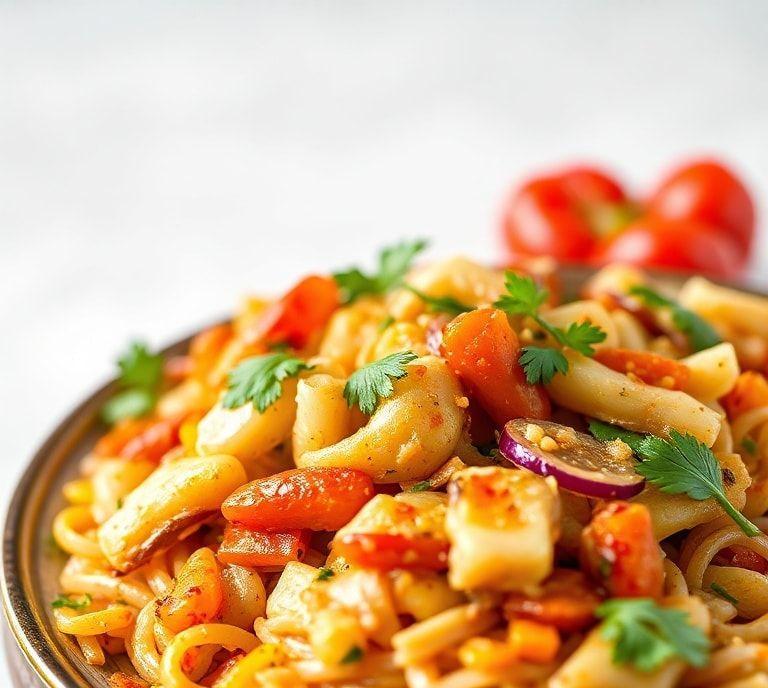
This vegetarian maqluba brings together hearty vegetables, long-grain rice, and aromatic spices. It’s a dish that invites you to play with the ingredients depending on what’s in season or what you have in your pantry. You can make it with eggplant, cauliflower, or even zucchini – and still have it come out delicious every time.
Ingredients Needed
Here’s a breakdown of everything you’ll need to make this version of maqluba:
- 2 cups of long-grain rice (preferably basmati, for its aromatic quality)
- 1 large eggplant, sliced into thick rounds
- 2 medium potatoes, peeled and sliced into rounds
- 1 head of cauliflower, broken into florets
- 1 large onion, thinly sliced
- 3 tomatoes, sliced into rounds
- 1 tablespoon of ground cumin
- 1 tablespoon of ground turmeric
- 1 teaspoon of cinnamon
- 1 teaspoon of allspice
- 1 teaspoon of salt, adjust to taste
- 1/2 teaspoon of black pepper
- 3 tablespoons of olive oil (you can also use ghee for a richer flavor)
- 4 cups of vegetable broth (or water with a bouillon cube)
- A handful of fresh parsley, chopped (for garnish)
- A handful of slivered almonds (optional, for crunch)
You can add or substitute vegetables based on your preferences, like carrots, zucchini, or bell peppers. The beauty of maqluba is in its versatility.
Cooking Instructions
- Prepare the vegetables: Start by preparing all the vegetables. Heat a little bit of olive oil in a large pan, and lightly fry the eggplant slices until golden brown. Do the same with the potato slices, then set them aside. In the same pan, fry the cauliflower florets until they are just tender and golden in spots.
- Cook the rice: While the vegetables are cooking, rinse the rice under cold water until the water runs clear. In a large pot, bring the vegetable broth (or water) to a boil. Add the rice, along with the cumin, turmeric, cinnamon, allspice, salt, and pepper. Stir to combine, then reduce the heat to low, cover the pot, and let the rice simmer for about 15 minutes. Once the rice is cooked, remove it from the heat but keep it covered.
- Layer the dish: Now comes the fun part – layering! In a large, heavy-bottomed pot (or Dutch oven), drizzle a little olive oil on the bottom to prevent sticking. Begin layering the cooked vegetables, starting with the eggplant, followed by the potatoes, then the cauliflower, and finally, the sliced tomatoes. You can add a few of the fried vegetables to the sides to create a pretty design. Don’t worry if it doesn’t look perfect – the flip will do the magic.
- Add the rice: On top of the vegetables, gently pour the cooked rice, pressing it down lightly to compact it. It should create a nice dome on top of the vegetables.
- Cook it all together: Pour any remaining vegetable broth (about 1/2 to 3/4 cup) around the edges of the rice, cover the pot, and cook over low heat for another 20-25 minutes, letting everything meld together.
- The flip: This is the moment where your patience pays off. Once the rice and vegetables have cooked and the pot has cooled for a few minutes, place a large, flat serving platter over the pot. Hold the lid firmly, and carefully flip the pot over. Gently lift the pot off the rice to reveal the beautiful layered dish. If it doesn’t come out perfectly, no worries – it will still taste amazing!
- Garnish: Sprinkle the maqluba with fresh parsley and toasted slivered almonds for a final touch. Serve hot, and enjoy!
Ingredient Science Spotlight
What makes maqluba so unique isn’t just the method of cooking but also the way the ingredients work together. The rice, which is typically cooked in a seasoned broth, takes on the flavors of all the vegetables and spices around it. Long-grain rice, like basmati, is perfect because it stays light and fluffy even after being pressed and flipped.
The vegetables each bring something special. Eggplant, for instance, soaks up the flavors of the broth and spices, becoming tender and rich. Potatoes lend a comforting, starchy layer, while cauliflower, with its delicate texture, adds a touch of lightness. Tomatoes, when cooked, release their juices, which infuse the rice with a subtle sweetness.
And then there are the spices. Cumin, turmeric, and cinnamon come together in a fragrant blend that evokes the warmth of the Middle East. Allspice, often used in maqluba, has a slight peppery kick, balancing the dish’s richness.
Expert Tips
- Use day-old rice: If you’re making maqluba ahead of time, it’s actually better to use day-old rice. Freshly cooked rice can become too sticky, while day-old rice holds its shape and texture better when layered.
- Don’t overcrowd the vegetables: Fry your vegetables in batches. Overcrowding the pan can cause the vegetables to steam instead of getting that beautiful caramelization.
- Flavor your rice: If you want an even deeper flavor, consider toasting the rice in a bit of oil and spices before adding the broth. This adds an extra layer of aroma and flavor to the dish.
- Let it rest: After flipping the maqluba, let it rest for a few minutes. This helps the rice set, so it comes out in one neat, glorious piece.
Recipe Variations
While this vegetarian maqluba is delightful as is, you can also customize it based on your tastes or what you have on hand. Here are a few variations to try:
- Add nuts: In some regions, maqluba is topped with toasted pine nuts or slivered almonds, adding a lovely crunch.
- Use different vegetables: Try adding carrots, bell peppers, or even zucchini. If you want a more earthy flavor, mushrooms work wonderfully.
- Spicy version: If you like heat, add a couple of chopped chili peppers to the vegetable layer or sprinkle some chili flakes over the top before serving.
Final Words
There’s something about maqluba that turns an ordinary meal into a celebration. Its flavors are bold yet comforting, and the act of flipping it upside down adds a touch of drama that makes it feel extra special. Whether you’re serving it for a family gathering or making it for yourself, it’s a dish that rewards patience with layers of flavor.
FAQs
What Is A Maqluba Vegetarian Recipe?
A maqluba vegetarian recipe is a traditional Middle Eastern dish adapted without meat, typically consisting of layers of rice, vegetables such as eggplant, cauliflower, and carrots, and aromatic spices. The dish is cooked in a pot and then inverted onto a serving platter, creating a visually appealing layered presentation.
Which Vegetables Are Best For Making Vegetarian Maqluba?
The best vegetables for vegetarian maqluba are those that hold their shape and absorb flavors well. Common choices include eggplant, cauliflower, carrots, bell peppers, zucchini, and potatoes. You can also add chickpeas or mushrooms for extra protein and texture.
How Can I Make Vegetarian Maqluba Flavorful Without Meat?
To make vegetarian maqluba flavorful, use a combination of spices such as cinnamon, allspice, cumin, and turmeric. Sauté the vegetables before layering them with rice to enhance their taste. Adding vegetable broth instead of water and toasting the rice slightly before cooking also helps to deepen the flavor profile.