I’ve always believed that the best recipes are the ones that are simple, fresh, and full of flavor. Stir-fries have always held a special place in my kitchen, especially when I’m craving something quick yet satisfying. One of my absolute favorites, especially when I’m looking to eat lighter and healthier, is Bok Choy Stir-fry. This dish has such a beautiful balance of textures and flavors that every bite feels like a small celebration. There’s something about the crispy crunch of bok choy and the savory stir-fry sauce that makes it feel like comfort food, even though it’s all plant-based.
But here’s the thing about stir-fries: they’re incredibly forgiving. It’s one of those recipes you can adapt based on what’s in season or what’s hiding in the back of your fridge. I can’t even tell you how many times I’ve thrown in a handful of mushrooms or a bit of leftover tofu just to make it more exciting. What I love about this particular stir-fry is that it doesn’t require fancy ingredients, and it comes together in just about 15 minutes-perfect for a weeknight dinner when you’re craving something healthy, quick, and satisfying.
Bok Choy Stir-fry Vegetarian Recipe
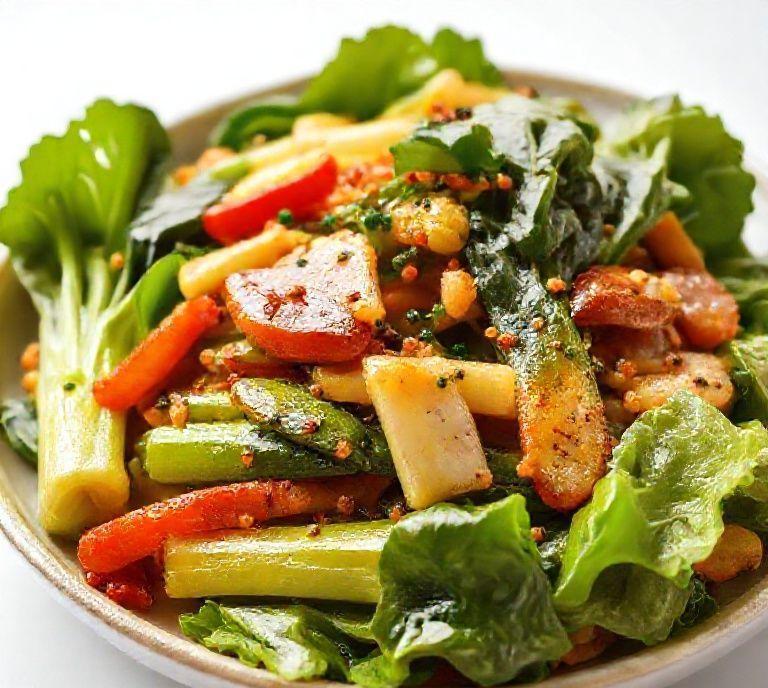
Okay, let’s dive in! The beauty of a bok choy stir-fry lies in its versatility. You don’t have to stick to a strict recipe; once you know the basic steps, you can play around with different vegetables, sauces, and even proteins. This recipe will give you a great foundation to start with, and you can tweak it to fit your taste.
Ingredients Needed
Before you get started, here’s what you’ll need:
- Bok Choy – 2 medium heads of bok choy (or you can use baby bok choy if you prefer)
- Vegetable Oil – 2 tablespoons (you can also use sesame oil for an extra nutty flavor)
- Garlic – 3 cloves, minced (garlic really brings a stir-fry to life)
- Ginger – 1-inch piece, grated (adds a little heat and fragrance)
- Soy Sauce – 2 tablespoons (I recommend low-sodium soy sauce to keep things healthier)
- Rice Vinegar – 1 tablespoon (adds a nice tangy contrast to the savory soy)
- Sesame Oil – 1 teaspoon (for that signature stir-fry aroma)
- Red Pepper Flakes – a pinch (for a subtle heat, adjust to your liking)
- Sugar – 1 teaspoon (to balance the acidity of the vinegar and soy sauce)
- Spring Onions – 2 stalks, sliced (adds a fresh, oniony bite)
- Optional Add-ins: Tofu (firm, cubed), mushrooms, bell peppers, or snow peas
I like to use vegetable oil for the cooking base because it has a high smoke point, but if you’re feeling adventurous, try sesame oil for a more traditional stir-fry taste. The vinegar and soy sauce give it a beautiful balance of tartness and umami, and the sugar is there to round out the flavors.
Cooking Instructions
Now, the fun part. Here’s how you’ll bring it all together:
- Prep Your Ingredients: Start by washing the bok choy thoroughly, especially if it’s not pre-washed. Slice it into bite-sized pieces (separate the stems from the leaves if they’re large, as the stems take a little longer to cook).
- Heat the Pan: Put a large skillet or wok on medium-high heat. Add the vegetable oil, swirling it around so the bottom is coated. You want the oil hot enough that when you add the garlic, it sizzles right away.
- Sauté Garlic and Ginger: Toss in the minced garlic and grated ginger. Stir-fry for about 30 seconds until fragrant. Don’t let it burn-it’ll go from wonderful to bitter in an instant.
- Cook the Bok Choy Stems: If you’re using large bok choy, add the stems first. They need about 2 minutes to soften. If you’re using baby bok choy, you can toss it all in together, as it cooks more quickly.
- Add the Leaves: Once the stems start to soften, toss in the bok choy leaves. Stir everything around for another 2-3 minutes. You want the leaves to wilt but still maintain some texture and bite.
- Make the Sauce: In a small bowl, combine the soy sauce, rice vinegar, sesame oil, red pepper flakes, and sugar. Stir to dissolve the sugar and mix everything well.
- Finish the Dish: Pour the sauce over the bok choy and stir everything to coat evenly. Allow it to cook for another minute or two, just enough to let the sauce thicken and coat the vegetables.
- Garnish and Serve: Sprinkle with sliced spring onions and serve immediately. If you’re adding tofu or another protein, now’s the time to toss it in.
Ingredient Science Spotlight
Bok choy, the star of the dish, is a member of the cabbage family, but it’s lighter and more delicate than its relatives. It’s a great source of vitamins A, C, and K, along with a healthy dose of fiber and antioxidants. Its mild, slightly peppery flavor makes it the perfect vegetable for stir-fries, as it absorbs the sauce while maintaining its crunch.
The soy sauce adds that deeply savory umami taste, while the rice vinegar balances out the richness of the sauce with its sharp tang. The sugar is essential-without it, the dish can feel too acidic, so it rounds out the flavors and creates that perfect balance of salty, sour, and sweet. Ginger, garlic, and sesame oil each bring their own layer of complexity to the dish, providing warmth, fragrance, and depth.
Expert Tips
- Cook on High Heat: Stir-fries are all about high heat, so make sure your pan is hot enough. You want that sizzle when the vegetables hit the pan.
- Don’t Overcrowd the Pan: If you’re making a larger batch, cook in batches. Too much in the pan at once will steam the vegetables rather than stir-fry them.
- Use Fresh Bok Choy: Bok choy wilts quickly, so fresh is best. If you need to store it, keep it in the fridge in a plastic bag, but use it as soon as possible for the best crunch.
- Add More Flavor: If you like heat, up the red pepper flakes or drizzle some chili oil over the top when serving. For extra richness, try adding a tablespoon of peanut butter or almond butter to the sauce for a nutty twist.
Recipe Variations
The beauty of this stir-fry is how easily it can be customized. Here are a few variations to try:
- Tofu Bok Choy Stir-fry: Cube firm tofu and pan-fry it until crispy before adding it to the bok choy. It absorbs the sauce beautifully and adds some protein.
- Mushroom Bok Choy Stir-fry: Throw in a handful of sliced mushrooms for an earthy twist. Shiitake mushrooms are particularly flavorful.
- Peanut Butter Bok Choy: Add a tablespoon of peanut butter to the sauce for a creamy, nutty richness.
- Spicy Bok Choy: Add a sliced fresh chili to the pan along with the garlic and ginger for an extra kick of heat.
Final Words
What I love about stir-fries is how they can change based on what’s available in your kitchen or what you’re craving that day. Bok choy is one of those ingredients that never disappoints-it’s crisp, refreshing, and so versatile. Whether you stick with the basic recipe or switch things up, you’re bound to have a delicious and satisfying meal.
FAQs
What Are The Key Ingredients For A Bok Choy Stir-fry Vegetarian Recipe?
The key ingredients for a bok choy stir-fry vegetarian recipe typically include bok choy (either baby bok choy or regular), garlic, ginger, soy sauce (or tamari for a gluten-free version), sesame oil, and a variety of vegetables such as carrots, bell peppers, and mushrooms. Some recipes may also include tofu or other plant-based protein sources for added texture and nutrition.
How Do I Prepare Bok Choy For A Stir-fry?
To prepare bok choy for a stir-fry, first wash the bok choy thoroughly to remove any dirt or grit. Trim the base of the bok choy and separate the leaves, especially if using regular-sized bok choy. Cut the leaves into large pieces and slice the stems into thin strips to ensure they cook evenly. Baby bok choy can be left whole or halved, depending on its size.
Can I Make A Bok Choy Stir-fry Without Soy Sauce For A Gluten-free Version?
Yes, you can easily make a gluten-free bok choy stir-fry by substituting soy sauce with tamari, which is a gluten-free alternative. You can also use coconut aminos, which provides a similar flavor profile but is naturally gluten-free and soy-free. Be sure to check other ingredients for gluten if you’re following a strict gluten-free diet.