Lumpia is a beloved snack that brings so many memories flooding back. If you’ve ever been to a Filipino party or gathering, you’ve probably tasted these crispy, golden spring rolls that are perfectly savory and delightful. I remember the first time I had vegetarian lumpia at a family potluck-it was a game-changer. Up until then, I’d always enjoyed the classic pork or beef versions, but this veggie version had a lightness and brightness that I hadn’t anticipated. The balance of flavors was perfect, and it felt a little healthier, even though they were still fried to crispy perfection.
Lumpia is so versatile, and whether you make it as an appetizer, a snack, or even a meal, it always feels special. I’ve even made them for friends who’ve never had Filipino food before, and they always ask for the recipe. What’s so great about lumpia is that it’s not just about the taste-it’s about the experience. The crispy outer shell, the hearty filling, and the fact that it’s usually shared with others make it a dish that brings people together.
In this post, I’m going to take you through my take on vegetarian lumpia. It’s a healthier version that still packs a punch with delicious flavors. Even if you’ve made lumpia before, this vegetarian recipe might just surprise you!
Vegetarian Lumpia Recipe
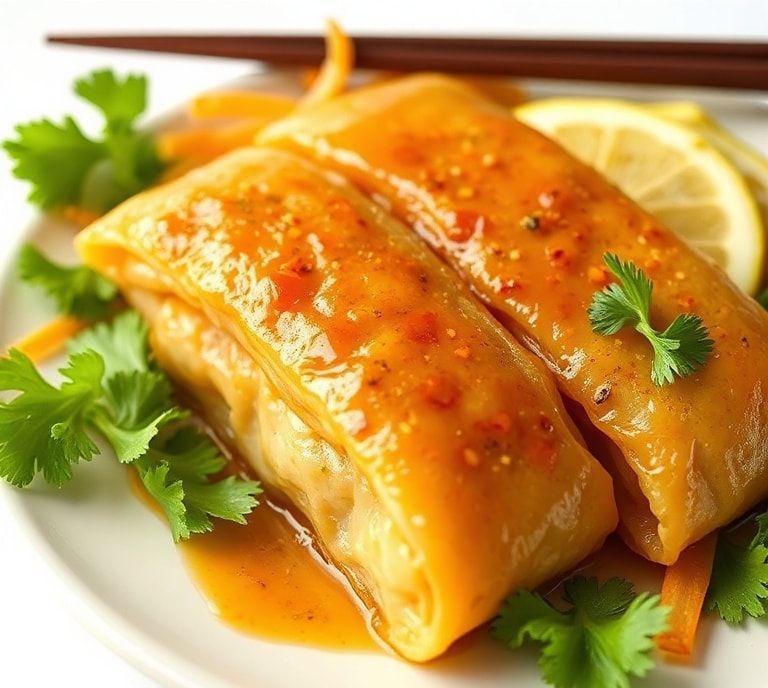
A vegetarian lumpia is everything you love about the traditional version, but with a veggie-packed filling. Think of it as a crispy, golden envelope full of healthy, vibrant ingredients. When I make these, I try to use fresh, seasonal veggies for a burst of flavor and texture. It’s a great way to sneak in some extra greens, too, without missing out on the crispy, satisfying crunch that makes lumpia so irresistible.
This vegetarian version features a mix of finely chopped vegetables, tofu, and some flavorful seasonings to create a well-balanced filling. The trick, in my opinion, is ensuring that the vegetables are perfectly sautéed-soft enough to integrate into the filling but not so soggy that they make the lumpia heavy or oily.
Ingredients Needed
Here’s what you’ll need to make your vegetarian lumpia:
For The Filling
- 1 cup cabbage (shredded)
- 1 cup carrots (julienned or grated)
- 1/2 cup shiitake mushrooms (finely chopped)
- 1/2 cup tofu (crumbled, or you can use tempeh for a firmer texture)
- 1/4 cup green beans (finely chopped)
- 1 small onion (chopped)
- 3 cloves garlic (minced)
- 1 tablespoon soy sauce (for umami)
- 1 teaspoon sesame oil (optional, for extra flavor)
- 1 tablespoon oyster sauce or mushroom sauce (if you prefer a vegan version)
- Salt and pepper to taste
For Wrapping
- Lumpia wrappers (or spring roll wrappers if you can’t find lumpia wrappers)
- Vegetable oil (for frying)
Cooking Instructions
-
Prepare The Filling
Start by heating a tablespoon of oil in a large pan over medium heat. Add the garlic and onions, sautéing them until fragrant and softened. Then add the carrots, green beans, and cabbage, cooking them for about 3-4 minutes, just enough to soften them slightly. Toss in the shiitake mushrooms and tofu, and stir everything together. Drizzle in the soy sauce, sesame oil, and oyster sauce. Allow the mixture to cook for another 2 minutes. You want the veggies to be tender but not mushy. Season with salt and pepper to taste.
-
Cool The Filling
Once the filling is done, set it aside to cool. This is a crucial step-if you try to wrap the lumpia while the filling is hot, the wrapper will get soggy and tear. Cooling it down also helps the flavors to settle, making the lumpia taste even better.
-
Wrap The Lumpia
Lay a lumpia wrapper flat on a clean surface. Place a couple of tablespoons of the cooled filling along the edge of the wrapper, about 1 inch from the bottom. Roll the wrapper tightly over the filling, folding in the sides as you go. Seal the edge with a little water or flour paste.
-
Fry The Lumpia
Heat the oil in a deep frying pan or wok over medium-high heat. Once the oil is hot, carefully place the lumpia in the oil, being sure not to overcrowd the pan. Fry the lumpia in batches, turning occasionally, until they’re golden brown and crispy-this usually takes around 3-4 minutes per batch. Once they’re done, remove them and place them on paper towels to drain excess oil.
Ingredient Science Spotlight
I’ve always found it fascinating how the ingredients come together in a dish like lumpia. Let’s take a deeper look at a few of the key components:
- Cabbage: Cabbage is a great base for lumpia because it’s crunchy and absorbs the flavors of the other ingredients without losing its structure. When you cook it down, it becomes tender, but it still retains some bite. It also provides a nice balance of fiber, which adds to the overall texture of the dish.
- Tofu: Tofu in lumpia serves as a wonderful meat substitute, absorbing all the delicious seasonings. I like to crumble it to mimic the texture of ground meat in a traditional lumpia. Plus, it’s a great source of plant-based protein, making the dish more filling.
- Sesame Oil: A little drizzle of sesame oil adds a toasted, nutty flavor that really elevates the filling. It’s a small detail but makes a big difference.
Expert Tips
- Don’t Overfill: It’s easy to go a little overboard with the filling, but trust me, you don’t want to stuff them too much. Overstuffed lumpia are harder to wrap, and they tend to split open when frying. Keep the filling modest to ensure they fry up perfectly.
- Dry Your Vegetables: Sometimes, the veggies can release a lot of moisture when cooking. After sautéing, I like to let the mixture sit in a strainer for a minute or two to let any excess liquid drain off. This helps prevent the wrappers from becoming soggy during frying.
- Use a High-Temperature Oil: For the crispiest lumpia, make sure the oil is hot enough. If the oil is too cool, the lumpia will absorb too much oil, making them greasy. Ideally, the oil should be around 350°F.
Recipe Variations
You can get really creative with vegetarian lumpia! Here are a few variations you might want to try:
- Sweet Potato & Black Bean Lumpia: Swap out some of the cabbage for sweet potato and black beans for a filling with a little more heartiness. You could add some cumin and smoked paprika for a warm, earthy flavor.
- Mango & Avocado Lumpia: For a fresh twist, try adding diced mango and avocado to the filling after frying. This would pair beautifully with a sweet chili dipping sauce.
- Vegan Lumpia with Jackfruit: If you’re looking for a meat-like texture but want to keep it plant-based, jackfruit is an amazing option. It has a similar texture to shredded pork when cooked, and it absorbs flavors really well.
Final Words
Making vegetarian lumpia is such a fun and rewarding experience. While it might take a little practice to get the wrapping technique just right, it’s so worth it when you bite into that crispy, crunchy goodness. Plus, the vegetarian filling gives you a lighter, more flavorful twist on the traditional recipe. I’ve made these for all kinds of gatherings-from intimate family dinners to large parties-and they’re always a hit.
FAQs
What Ingredients Are Needed For A Vegetarian Lumpia Recipe?
A typical vegetarian lumpia recipe includes ingredients like spring roll wrappers, cabbage, carrots, green beans, mushrooms, onions, garlic, and sometimes tofu or glass noodles. Seasoning ingredients may include soy sauce, sesame oil, salt, and pepper. Some variations also include bean sprouts or bamboo shoots.
Can Vegetarian Lumpia Be Made Ahead Of Time?
Yes, vegetarian lumpia can be made ahead of time. You can prepare the filling and store it in the refrigerator for up to a day. Additionally, you can assemble the lumpia rolls and freeze them. When ready to cook, simply fry or bake them from frozen, adjusting the cooking time as needed.
How Do You Fry Vegetarian Lumpia Without It Becoming Greasy?
To fry vegetarian lumpia without it becoming greasy, make sure the oil is at the proper temperature (around 350°F or 175°C) before frying. If the oil is too cold, the lumpia will absorb excess oil. Also, do not overcrowd the pan when frying, as this can lower the oil temperature. Finally, drain the lumpia on paper towels to remove excess oil after frying.