There’s something magical about a good plate of Pad Thai. It’s the kind of dish that brings memories of bustling street markets, the scent of sizzling wok, and that perfect balance of sweet, sour, salty, and spicy. I remember the first time I had Pad Thai in a little hole-in-the-wall joint in Bangkok-it was late in the evening, the air was warm and thick with the sounds of the city, and the dish that arrived was nothing short of a revelation. It wasn’t just the flavors; it was the experience-the way the noodles were tender yet crispy in spots, the way the peanuts and lime perfectly complemented each bite.
Now, I find myself cooking it at home more often, experimenting with new twists, particularly with the vegetarian version. It’s a dish that can easily be adapted to suit any dietary preference while keeping that essential Pad Thai goodness intact. So, let’s dive in and explore how to recreate this iconic dish with all its flavors and textures-no meat required.
Pad Thai Vegetarian Recipe
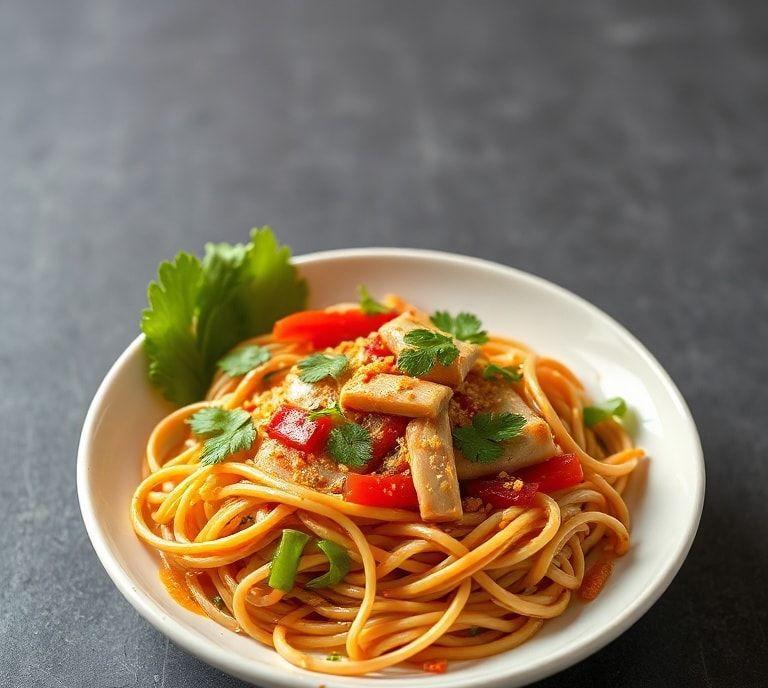
This vegetarian Pad Thai recipe is all about keeping the essence of what makes Pad Thai so special-those bold flavors and contrasting textures-while swapping in plant-based ingredients. Whether you’re a longtime vegetarian or just looking to cut back on meat, this dish doesn’t sacrifice any of the flavors you love. Plus, it’s super customizable based on what you have in the fridge or what you’re craving that day. Whether it’s extra tofu, a handful of mushrooms, or a fresh avocado, the beauty of Pad Thai is that it works with so many options.
Ingredients Needed
To make this vegetarian Pad Thai, you’ll need the following ingredients. Don’t be intimidated by the list-most of these ingredients are pretty easy to find at a local grocery store or an Asian market, and they last a while in your pantry or fridge.
- Rice Noodles (8 oz) – Pad Thai is all about the noodles. They’re the heart of the dish, with a chewy texture that absorbs all the flavors beautifully. Choose flat rice noodles, usually labeled as Pad Thai noodles.
- Extra Firm Tofu (1 block) – Tofu is a fantastic protein replacement in vegetarian Pad Thai. When pressed and cooked right, it develops a crispy exterior and a soft, creamy inside. It soaks up the flavors of the sauce like a sponge.
- Peanut Butter (2 tbsp) – This adds a creamy, rich flavor to the sauce. While traditionally you’d use tamarind paste, peanut butter gives it a nice twist that’s a bit sweeter and smoother.
- Soy Sauce (3 tbsp) – Soy sauce brings that salty umami depth to the dish. It’s essential to balance the sweetness of the sugar and the acidity of the lime.
- Lime Juice (1 tbsp) – Fresh lime juice adds the perfect zing to balance the richness of the peanuts and soy sauce. It’s an absolute must for that burst of freshness.
- Brown Sugar (1 tbsp) – A bit of sweetness to contrast with the saltiness of the soy sauce and the acidity of the lime. You can use coconut sugar if you want a more complex sweetness.
- Garlic (3 cloves, minced) – Garlic adds that savory, aromatic base. It’s part of the magic that makes Pad Thai smell so inviting when it’s cooking.
- Shallots (1, thinly sliced) – Shallots are sweeter than onions and give the dish a more delicate flavor, but you can swap in regular onions if you prefer.
- Egg (1) – Traditional Pad Thai often includes an egg, but if you’re vegan, feel free to leave it out or use a plant-based substitute like scrambled tofu or chickpea flour.
- Chopped Peanuts (¼ cup) – These are for garnish, adding a nice crunch and a bit more of that peanut flavor.
- Green Onions (2 stalks, chopped) – These provide a fresh, mild onion flavor that’s perfect against the richness of the dish.
- Cilantro (optional) – For garnish and a touch of brightness at the end.
- Chili Flakes (optional) – For heat. Adjust to your taste.
Cooking Instructions
- Prepare the Noodles: Cook the rice noodles according to package instructions. Typically, this involves soaking them in hot water for a few minutes until they’re al dente. Drain and set aside.
- Press and Cook the Tofu: If you’re using tofu, it’s essential to press it first. You want to squeeze out as much water as possible to help it get crispy when cooked. You can press it by wrapping it in a clean kitchen towel and placing a heavy pan on top for about 15 minutes. Once it’s pressed, cut it into cubes. Heat a tablespoon of oil in a pan over medium-high heat and sauté the tofu until golden brown and crispy on all sides, about 10 minutes. Set aside.
- Prepare the Sauce: In a bowl, whisk together soy sauce, peanut butter, lime juice, brown sugar, and a pinch of chili flakes (if using). Stir until the peanut butter is fully combined with the other ingredients. This creates a silky, slightly creamy sauce with the perfect balance of sweet, salty, and tangy.
- Sauté the Aromatics: In a large wok or skillet, heat another tablespoon of oil. Add the garlic and shallots and cook for 2-3 minutes until fragrant and soft.
- Combine Everything: Add the cooked noodles to the pan with the garlic and shallots. Pour in the sauce and toss everything together. Add the tofu, green onions, and any other veggies or ingredients you’re using. Stir to combine and let it cook for another 3-4 minutes to allow the flavors to meld.
- Add the Egg (Optional): If you’re using an egg, create a space in the pan and crack the egg into the pan. Scramble it quickly, then mix it into the noodles.
- Garnish and Serve: Once everything is cooked through and well mixed, plate your Pad Thai. Garnish with chopped peanuts, cilantro, and a squeeze of lime juice. Serve immediately while it’s hot.
Ingredient Science Spotlight
The science behind the ingredients in Pad Thai is fascinating, especially when it comes to balancing the sweet, salty, sour, and spicy notes that make this dish so irresistible.
- Tofu: Tofu’s magic lies in its ability to absorb the flavors of whatever it’s cooked with. By pressing it to remove excess water, you’re creating a spongy texture that crisps up when it hits the pan. The result is a satisfying contrast to the soft noodles and the crunchy peanuts.
- Soy Sauce & Peanut Butter: Soy sauce is all about umami-the savory fifth taste. Combined with the richness of peanut butter, you get an almost creamy texture in the sauce that coats each noodle perfectly. It’s the balance of these two ingredients that helps bring everything together.
- Lime Juice: The acidity of lime juice brightens the dish and helps balance the richness of the peanut butter and tofu. Acid helps cut through fat, making the whole dish feel lighter and more vibrant.
Expert Tips
- Don’t Overcook the Noodles: Rice noodles are delicate, and they’ll turn mushy if overcooked. Keep an eye on them, and don’t let them sit in the water for too long.
- Press the Tofu Well: The secret to crispy tofu is pressing out as much liquid as possible. If you’re in a rush, you can buy pre-pressed tofu, but pressing your own will give you the best results.
- Balance the Flavors: Pad Thai should hit all the flavor notes-sweet, salty, sour, and spicy. Taste your sauce before adding it to the noodles and adjust as needed. If it’s too salty, add more lime juice or sugar. Too tangy? A little extra soy sauce can fix that.
- Make it Ahead: The flavors of Pad Thai actually get better as they sit. If you have leftovers, store them in an airtight container in the fridge, and they’ll be just as delicious the next day.
Recipe Variations
- Vegetables: If you want to load up on veggies, try adding julienned carrots, bell peppers, or snap peas for a pop of color and extra crunch.
- Peanut-Free Version: If you’re allergic to peanuts, you can easily swap out peanut butter for almond butter or sunflower seed butter. The flavor will change slightly, but it will still be rich and creamy.
- Spicy Pad Thai: If you like heat, add fresh chili peppers or more chili flakes to the sauce. You can also drizzle with sriracha for an extra kick.
Final Words
Pad Thai is one of those dishes that can be endlessly customized, and this vegetarian version is no exception. It’s simple to make at home and lets you play with flavors and textures while sticking to the spirit of the original. Plus, it’s quick, so it’s perfect for a weeknight dinner or impressing guests at your next dinner party.
FAQs
What Are The Key Ingredients In A Vegetarian Pad Thai?
A vegetarian Pad Thai typically includes rice noodles, tofu (or tempeh as a substitute), eggs (optional for vegans), bean sprouts, green onions, peanuts, and lime. The dish is flavored with a sauce made of tamarind paste, soy sauce or tamari, sugar, and a bit of chili for spice. Some recipes may also include additional vegetables like carrots, bell peppers, and mushrooms.
Can I Make Pad Thai Vegan-friendly?
Yes, you can easily make Pad Thai vegan by omitting the eggs and using a vegan-friendly protein such as tofu or tempeh. You should also ensure the sauce is vegan by using tamari instead of fish sauce and maple syrup or coconut sugar instead of refined sugar. Double-check that the rice noodles are free from any animal-derived ingredients, though most are naturally vegan.
What Can I Substitute For The Tamarind In Pad Thai?
If you don’t have tamarind paste, you can substitute it with a mixture of lime juice and brown sugar, which mimics the tangy and slightly sweet flavor of tamarind. Another alternative is to use a combination of vinegar and sugar, or some people use ketchup with a bit of lime and sugar as a quick substitute, though this will alter the flavor profile slightly.