For me, food is always more than just sustenance. It’s an experience, a memory in the making, and often, a connection to my past. Growing up, I remember watching my mom whip up various dishes in the kitchen, one of the most memorable being pancit-the Filipino noodle dish that celebrates not only flavors but also life’s milestones. Every time my family gathered for special occasions, there would always be pancit on the table, and that savory, stir-fried goodness would vanish in minutes.
Pancit is deeply tied to Filipino culture, often served during birthdays to symbolize long life. There are countless variations across the islands, with some regions using rice noodles, others using egg noodles, and a few even opting for glass noodles. What makes pancit so special is its versatility-whether you’re feeding a crowd or making a cozy dinner for yourself, there’s always a version to suit every taste. Today, I’m sharing a vegetarian take on this classic dish-no meat, but all the flavor. This version, like the original, celebrates the joyful tradition of pancit while catering to plant-based diets.
Pancit Vegetarian Recipe
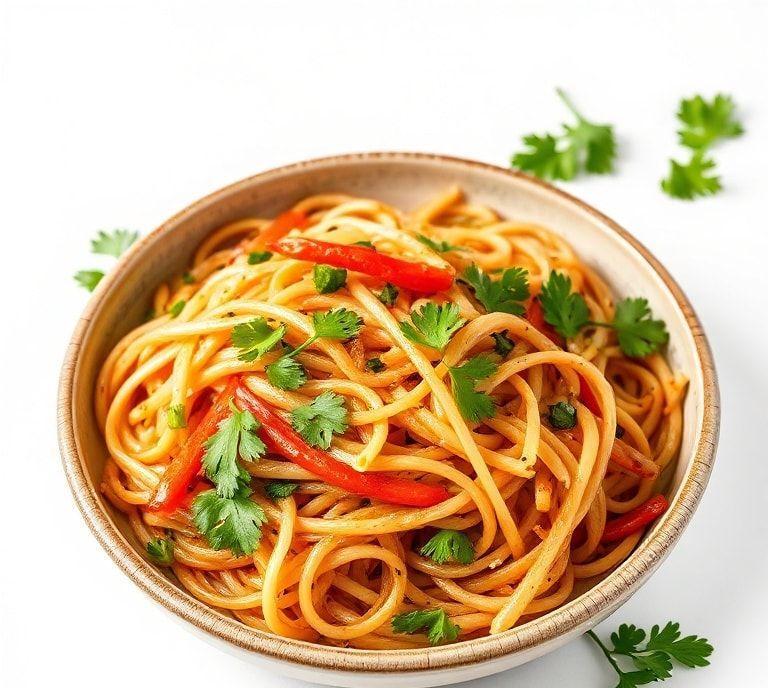
This vegetarian pancit recipe is the perfect blend of savory, fresh, and comforting flavors. It uses the same core principles of the traditional pancit but swaps out meat for an assortment of colorful vegetables and plant-based protein sources. The dish retains that signature umami flavor, thanks to ingredients like soy sauce, mushrooms, and a few clever seasonings. While it may not have the same meaty depth as the original, it more than makes up for it with freshness and a light, yet satisfying texture.
Ingredients Needed
Let’s break down the ingredients that will transform your kitchen into a little slice of the Philippines:
- Rice noodles (or Pancit Canton noodles) – I prefer the thin rice noodles, but you can use egg noodles or any stir-fry noodle of your choice.
- Vegetable oil – Just enough to coat the pan and give those noodles a nice, crispy edge when stir-frying.
- Garlic (minced) – The backbone of any Filipino dish. It gives the base of this dish its wonderful fragrance.
- Onion (thinly sliced) – Adds a slight sweetness and depth to the flavor.
- Carrot (julienned) – Adds a pop of color and sweetness, plus a slight crunch.
- Bell peppers (sliced thin) – A nice balance of sweetness and a little bitterness.
- Shiitake mushrooms (or any mushroom you prefer) – They bring that rich umami flavor to the dish, making up for the missing meat.
- Cabbage (shredded) – This softens in the stir-fry and balances out the sweetness of the carrots and peppers.
- Snow peas or snap peas – These offer a slight snap and freshness to the mix.
- Soy sauce – The salty, savory component that brings everything together. Use low-sodium if you’re watching your salt intake.
- Oyster sauce (vegetarian or mushroom-based) – Adds that rich, umami depth. You can use regular mushroom soy sauce if you’re vegan.
- Vegetable broth – To moisten the noodles and give the dish a more rounded flavor.
- Lemon or calamansi (if available) – A squeeze of citrus at the end brightens everything up and adds that Filipino twist.
- Green onions (chopped) – A sprinkle on top adds a little extra flavor and crunch.
- Optional protein – Tofu (firm and cubed) or tempeh works wonderfully in this dish. If you’re in the mood, you could also use edamame or even chickpeas.
Cooking Instructions
Now let’s get to the fun part-cooking! I love how this dish doesn’t require anything fancy, just a bit of technique and the willingness to experiment.
- Prepare the noodles: Cook the rice noodles (or your chosen noodles) according to the package instructions. Drain and set them aside. I like to give them a quick rinse in cold water to stop the cooking and prevent them from sticking.
- Prep your veggies: While the noodles are cooking, get your vegetables ready. Julienning the carrots and slicing the bell peppers thinly will ensure they cook quickly and evenly. The mushrooms should be sliced thin as well, and the cabbage should be shredded into bite-sized pieces.
- Stir-fry the vegetables: Heat a large pan or wok over medium-high heat and add a tablespoon of vegetable oil. Toss in the garlic and onions, sautéing until they become fragrant and the onions turn translucent. Add the mushrooms and cook them until they release their moisture and shrink down. After that, toss in the carrots, bell peppers, and snow peas. Stir-fry these veggies for about 3-4 minutes until they start to soften but still have a nice crunch.
- Bring it all together: Add the cooked noodles to the pan. Toss them gently with the vegetables, ensuring they mix together. Now, add the soy sauce, oyster sauce, and vegetable broth, stirring well. The noodles will absorb the sauces and take on that rich, savory flavor.
- Add cabbage and finish: Add the shredded cabbage last, as it wilts quickly. Stir it in until it softens, which should take about a minute. Squeeze in the juice of half a lemon (or calamansi) and give everything one last good toss to ensure the flavors meld.
- Serve: Transfer the pancit to a large platter or individual bowls. Garnish with chopped green onions, a few lime wedges on the side, and if you’re feeling fancy, a sprinkle of sesame seeds.
Ingredient Science Spotlight
You might be wondering why certain vegetables or ingredients make such a difference in this vegetarian pancit. Let’s dive into the science of some of these ingredients.
- Soy sauce and oyster sauce: These two sauces are key in creating that umami-packed, savory backbone. Soy sauce is high in amino acids, which gives it that deep, rich flavor. The oyster sauce (or mushroom-based variant in this case) is made by simmering oysters (or mushrooms) with soy sauce, sugar, and salt, concentrating those savory flavors even more. Together, they make a perfect marriage of salty and sweet that enhances the vegetables and noodles.
- Mushrooms: Mushrooms, especially shiitakes, are famous for their umami content. The complex amino acids found in mushrooms give them a meaty texture, which compensates for the absence of meat in this vegetarian version. When stir-fried, they absorb the soy and oyster sauces, enriching the overall dish with depth and flavor.
- Cabbage: While it seems humble, cabbage plays a significant role in providing texture. It’s fibrous and crunchy when raw, but it softens beautifully when cooked. The high water content helps balance the saltiness of the soy sauce, keeping the dish light and fresh.
Expert Tips
- Noodle texture: Be careful not to overcook the noodles. They should be al dente, so they hold their shape during stir-frying. If they’re too soft, they might turn mushy and lose their bite.
- Freshness is key: Use the freshest vegetables you can find, especially the cabbage and bell peppers. The crunchiness and slight sweetness from the fresh veggies make a huge difference.
- Layering flavors: For added depth, consider adding a dash of toasted sesame oil at the end of cooking. It imparts a wonderful, nutty fragrance and enhances the overall dish.
- Adjust the seasoning: Taste as you go and adjust the soy sauce or oyster sauce based on your preference. If you like it a little sweeter, a touch of sugar can balance things out.
Recipe Variations
One of the beautiful things about pancit is how adaptable it is. You can play around with the ingredients based on what you have in your fridge. Here are a few ideas:
- Add more protein: You can easily boost the protein content by adding cubed tofu or tempeh. Simply pan-fry them until crispy before adding them to the stir-fry. For an even richer version, you can add some chickpeas or edamame.
- Spicy version: If you enjoy heat, throw in some sliced red chili peppers or a teaspoon of chili flakes with the garlic and onions for a spicy kick.
- Different noodles: While I prefer rice noodles, you can swap in pancit canton (egg noodles) or bihon (thin rice noodles) for slightly different textures.
Final Words
I’ve always thought of pancit as a dish that brings people together. It’s not just about the food-it’s about sharing a moment, whether with friends, family, or just yourself. I’ve made this vegetarian version countless times, and each time, I’m reminded of how a few simple ingredients can create something so delicious, satisfying, and full of life. It’s a dish that celebrates both the old and the new, and no matter how you make it, it’ll always be full of heart.
FAQs
What Ingredients Are Essential For A Vegetarian Pancit Recipe?
A vegetarian pancit recipe typically requires rice noodles or egg noodles, a variety of fresh vegetables such as carrots, cabbage, green beans, and bell peppers, garlic and onions for aromatics, soy sauce or tamari for seasoning, vegetable broth for added flavor, and optional tofu or tempeh as a protein source. Traditional pancit seasonings like sesame oil, black pepper, and lemon or calamansi juice can also enhance the dish.
Can I Make A Vegetarian Pancit Without Soy Sauce?
Yes, you can make a vegetarian pancit without soy sauce. Alternatives such as coconut aminos, tamari (gluten-free soy sauce), or a combination of vegetable broth and a pinch of salt can be used to achieve a similar savory flavor. Additionally, incorporating umami-rich ingredients like mushrooms or miso paste can help enhance the depth of flavor typically provided by soy sauce.
How Can I Make My Vegetarian Pancit Healthier Without Sacrificing Flavor?
To make vegetarian pancit healthier, focus on increasing the vegetable-to-noodle ratio and using whole-grain or low-carb noodles if desired. Reduce oil and salt, and use low-sodium vegetable broth for cooking. Incorporating nutrient-dense vegetables such as spinach, kale, or broccoli adds vitamins and minerals. Adding herbs, spices, and a squeeze of citrus juice can enhance flavor without adding extra sodium or fat.