If there’s one thing I’ve learned over the years, it’s that a good Caesar salad can turn an ordinary meal into something special. But what if I told you that you don’t need anchovies or parmesan rinds to make a delicious, vegetarian-friendly version of Caesar dressing? For me, this is the version I always turn to when I want that rich, creamy, and tangy dressing without compromising my dietary preferences. A classic Caesar salad with its bold flavors doesn’t need much tweaking, but this vegetarian Caesar dressing packs a punch in every bite, while keeping it plant-based.
I first stumbled upon this recipe during a weekend trip to a friend’s house where they served this unique vegetarian Caesar at dinner. It was one of those moments where I had to ask, ’What’s the secret?!’ The dressing was velvety smooth with that perfect combination of garlicky tang and a little kick of mustard-just enough to make it unforgettable. I knew then I had to replicate it at home.
This recipe isn’t just for vegetarians or those avoiding dairy-it’s for anyone who loves the classic flavor of Caesar dressing but wants something a bit more inclusive, whether you’re just looking to try something new or trying to accommodate dietary needs at the dinner table. So, let’s dive into making a Caesar dressing that’s both flavorful and easy to prepare!
Caesar Salad Dressing Vegetarian Recipe
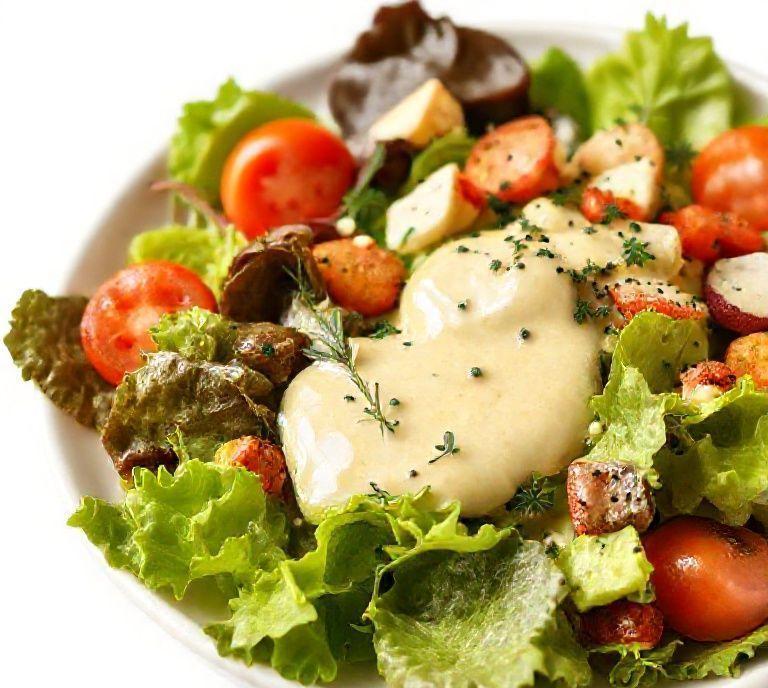
When making this vegetarian Caesar dressing, the goal is to keep the creamy texture and bold flavor without using any animal products. Traditional recipes rely heavily on anchovies and parmesan, so in this one, we’ll rely on a few key ingredients that replicate the savory depth of flavor. Trust me, it’s so good, you won’t miss a thing.
Ingredients Needed
Here’s what you’ll need for this simple, flavor-packed vegetarian Caesar dressing:
- Mayonnaise (or vegan mayo) – The base of the dressing, making it rich and creamy.
- Dijon mustard – Adds a little tang, and helps with the emulsification.
- Garlic – Freshly minced. Garlic is a must for the bold flavor punch that Caesar dressing is known for.
- Lemon juice – Freshly squeezed for the perfect acidity and brightness.
- Capers – These are the surprise ingredient that gives the dressing a salty, briny kick, replacing the anchovies without missing a beat.
- Worcestershire sauce – Look for a vegetarian version of Worcestershire sauce (some traditional ones contain anchovies). This gives the dressing a deeper, umami flavor.
- Nutritional yeast – This is what will bring that cheesy, savory flavor that parmesan normally provides. Plus, it’s loaded with B vitamins, which is a nice bonus!
- Olive oil – Just a small drizzle to add smoothness and help combine all the ingredients.
- Salt and black pepper – To taste, because a little seasoning goes a long way!
Cooking Instructions
Making the dressing itself is incredibly straightforward and takes just about 5 minutes. Here’s how you do it:
- Combine the mayonnaise and mustard: In a medium bowl, whisk together 1 cup of mayonnaise (or vegan mayo) and 2 teaspoons of Dijon mustard. This forms your base and adds a tangy creaminess right from the start.
- Add garlic, capers, and lemon juice: Mince two cloves of garlic and add them to the mixture along with 1 tablespoon of capers (you can chop them if you like, but I usually leave them whole). Add the juice of half a lemon-fresh is key here for that bright, zesty flavor.
- Add Worcestershire sauce and nutritional yeast: Stir in 2 teaspoons of vegetarian Worcestershire sauce and 2 tablespoons of nutritional yeast. These ingredients mimic the salty, umami-rich flavors of the traditional Caesar dressing.
- Mix in olive oil and season: Drizzle in about 2 teaspoons of olive oil while continuing to whisk the dressing together. Taste and adjust with salt and freshly cracked black pepper. You may want to add a little more lemon juice or mustard, depending on how tangy you like your dressing.
- Refrigerate: Let the dressing sit in the fridge for at least 30 minutes to allow the flavors to meld together. The longer it sits, the better it gets!
Ingredient Science Spotlight
Here’s where things get fun: Let’s dive into the science behind a few of these ingredients.
- Mayonnaise: At its core, mayonnaise is an emulsion-a mixture of oil, egg yolk, and acid (usually vinegar or lemon juice). The egg yolk contains lecithin, which helps bind the oil and water together. It’s this creamy texture that provides the foundation for your dressing.
- Capers: These tiny green buds may seem simple, but they are packed with flavor. The briny tang of capers mimics the salty, fishy bite that anchovies bring to a traditional Caesar dressing. Plus, they’re rich in antioxidants, making them not only flavorful but a little healthy too.
- Nutritional yeast: Often used in vegan cooking, nutritional yeast provides that savory, cheesy flavor without dairy. It’s loaded with B-vitamins, especially B12, which is important for vegetarians and vegans who may not get enough through other sources.
- Garlic: Garlic contains sulfur compounds that are released when it’s chopped or crushed. These compounds are responsible for garlic’s distinctive, bold flavor. They also have antibacterial properties, which might explain why garlic seems to show up in so many “feel-good” recipes!
Expert Tips
If you want your dressing to be next-level, here are a few pro tips that’ll really elevate the experience:
- Let it sit: It might be tempting to dive right in, but the dressing actually improves after resting in the fridge. The flavors meld and deepen, making it even more delicious.
- Balance your flavors: Don’t be afraid to adjust the acidity. If you find it’s too sharp, add a little more mayonnaise to mellow things out. If it’s too creamy, add more lemon or a pinch of salt.
- Add some spice: For an extra kick, you can add a dash of hot sauce or even a sprinkle of smoked paprika. It gives the dressing a little heat without overpowering it.
- Double it: Caesar dressing is one of those things that never goes to waste. You’ll end up using it on more than just salads-think roasted vegetables, grain bowls, or even as a sandwich spread. So, making extra is always a good idea.
Recipe Variations
While this vegetarian Caesar dressing is fantastic as is, there are a few fun variations you can try if you’re feeling adventurous:
- Vegan Caesar: Swap the mayonnaise for silken tofu or cashew cream to make it completely plant-based. This version will still be creamy, but a little lighter.
- Add a touch of avocado: For a richer, more indulgent version, blend in half an avocado. It’ll make the dressing smoother and add an extra layer of flavor.
- Smoked or roasted garlic: If you want to add some depth, roast the garlic first. It softens the sharpness and brings a smoky flavor to the dressing.
- Add some herbs: A handful of fresh basil, parsley, or even dill could bring some refreshing notes to the dressing. Try it and see how it changes the flavor profile!
Final Words
This vegetarian Caesar dressing is a total game-changer. Whether you’re a vegetarian, vegan, or just looking for a new take on a classic, this recipe is sure to impress. The balance of creamy, tangy, and savory is just right, and you won’t believe how simple it is to whip up at home.
The beauty of this dressing is that you can customize it to fit your tastes perfectly. Don’t be afraid to experiment-whether it’s adding a bit of spice, adjusting the acid, or playing with the consistency. The best part? You’ll never have to worry about running out of dressing again. Just make a big batch and keep it on hand for salads, roasted veggies, and beyond.
FAQs
Can I Make A Traditional Caesar Dressing Without Anchovies?
Yes, traditional Caesar dressing contains anchovies, but you can make a vegetarian version by substituting them with ingredients that provide a similar umami flavor. Options include capers, miso paste, or vegetarian Worcestershire sauce. These ingredients mimic the savory depth that anchovies add without using any animal products.
What Is A Good Vegetarian Substitute For Parmesan Cheese In Caesar Dressing?
For a vegetarian Caesar dressing, you can replace Parmesan cheese with hard, aged vegetarian cheeses that do not use animal rennet. Nutritional yeast is another popular substitute that provides a cheesy, nutty flavor while keeping the dressing fully plant-based. Blending soaked cashews with a bit of lemon juice and garlic also creates a creamy, cheesy consistency.
How Can I Make A Creamy Vegetarian Caesar Dressing Without Using Eggs?
Eggs are traditionally used to emulsify Caesar dressing, but in a vegetarian version, you can achieve creaminess using ingredients like Greek yogurt (vegetarian if made without gelatin), silken tofu, or blended cashews. These alternatives help create a rich texture while keeping the dressing safe for vegetarians who avoid raw eggs.