There’s something about the comforting, creamy texture of risotto that just hits differently-whether it’s the first bite of a warm bowl on a chilly evening or that lingering satisfaction that comes after sharing it with friends and family. Risotto often seems like one of those dishes that’s reserved for ’special occasions’ or something only the most seasoned chefs can pull off. But, in reality, making a great risotto doesn’t require professional skills, just a bit of patience, the right ingredients, and an understanding of how to let each step unfold naturally. I still remember the first time I tried making risotto from scratch. I was nervous, unsure, and had a faint fear that it would turn out like a sad, clumpy rice disaster. But the end result? A creamy, rich bowl of heaven, with just a hint of earthiness from the sautéed vegetables. It turned out to be the kind of meal that makes you want to gather people around and savor the moment together. That’s what I’m hoping this simple vegetarian risotto recipe does for you-without the stress or complex techniques. Just pure comfort in a bowl.
Easy Risotto Vegetarian Recipe
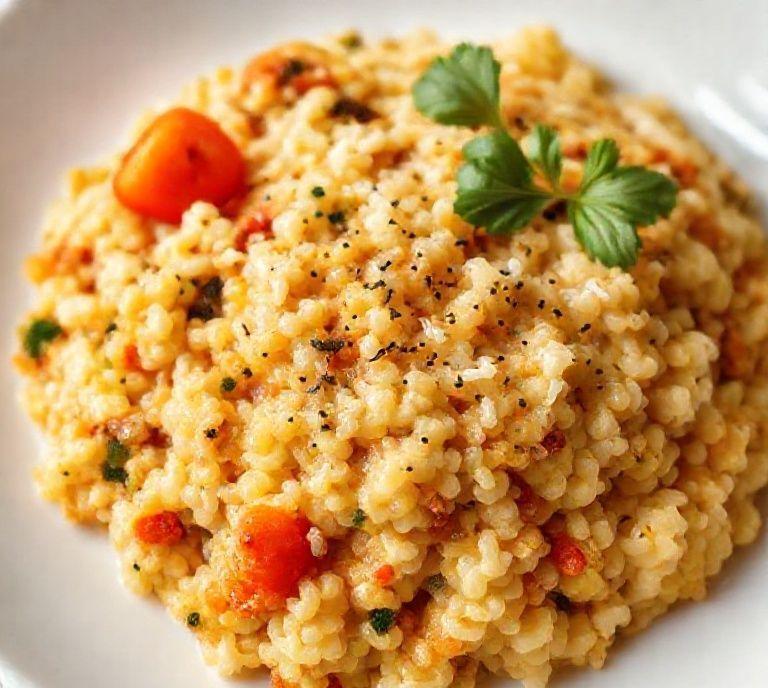
This isn’t just any risotto-it’s a celebration of vibrant vegetables, delicate rice, and that luxurious creaminess that comes from a slow simmer. Plus, it’s completely vegetarian, so it’s perfect for anyone looking to enjoy a meal that’s both hearty and fresh. You won’t find anything overly complicated here-just a straightforward, easy-to-follow recipe that’ll let the ingredients shine in all their natural glory.
Ingredients Needed
Here’s everything you’ll need to create this dish that feels like a warm hug:
- 1 ½ cups Arborio rice (the magic of risotto!)
- 4 cups vegetable broth (homemade if you’ve got it; store-bought works too)
- 1 medium onion, finely chopped (for that subtle depth of flavor)
- 2 cloves garlic, minced (because garlic is life)
- 1 tablespoon olive oil (for sautéing and a touch of richness)
- 1 cup sliced mushrooms (I love cremini or baby bella for a deep, earthy flavor)
- 1 zucchini, diced (for a nice, fresh bite)
- ½ cup dry white wine (optional, but it adds complexity to the flavor)
- 1 tablespoon fresh thyme (or a pinch of dried thyme if you don’t have fresh)
- ¾ cup freshly grated Parmesan (or vegan alternative if you’re strictly plant-based)
- Salt and pepper, to taste
And there it is-a list of ingredients that you probably already have in your pantry or fridge. It’s nothing outlandish, just a few familiar flavors that come together like a great ensemble cast in a movie, each ingredient playing its part but contributing to the bigger picture.
Cooking Instructions
- Prep the Broth: Start by heating your vegetable broth in a separate saucepan. You don’t need to boil it, just keep it warm over low heat.
- Sauté the Vegetables: In a large pan (preferably a wide skillet or Dutch oven), heat the olive oil over medium heat. Toss in your chopped onion and garlic, sautéing for about 3-4 minutes until soft and translucent. You’ll know it’s done when the kitchen smells like comfort. Next, add your mushrooms and zucchini, and cook for another 5-6 minutes until they start to soften and release their moisture.
- Toast the Rice: Stir in the Arborio rice, letting it toast for about 2 minutes. This is a crucial step-by toasting the rice, you’re locking in its starchy goodness, which will help create that creamy texture later.
- Add the Wine: If you’re using wine, now’s the time to pour it in. Stir it constantly until the liquid is absorbed by the rice. If you’re skipping the wine, don’t worry; just move on to the next step.
- Cook the Risotto: Now, the magic begins. Add the warm vegetable broth one ladle at a time. Stir the rice frequently as it absorbs the liquid. Each time the rice has absorbed most of the broth, add another ladle. It will take about 20 minutes, but this slow, patient process is what gives risotto its signature creamy texture.
- Finish It Off: Once the rice is tender and creamy, stir in the fresh thyme, Parmesan, and salt and pepper to taste. The cheese will melt into the risotto, making it even more velvety. Taste it-add more seasoning if necessary. The balance of flavors should feel comforting, rich, but light at the same time.
- Serve: Spoon the risotto into bowls and top with extra Parmesan if you like. You can even drizzle a little olive oil on top for an extra touch of indulgence.
Ingredient Science Spotlight
Now, let’s take a quick dive into the science behind the key ingredient: Arborio rice. This short-grain rice is special because it contains high levels of starch. When you cook it slowly with liquid, that starch breaks down, giving risotto its signature creaminess without actually adding cream. That creamy texture? It’s not magic-it’s science at work! By toasting the rice at the beginning and then slowly adding broth, you allow the rice to release its starch gradually, creating the perfect creamy consistency.
The mushrooms provide umami, that savory flavor that enhances the dish and makes it so satisfying, while the zucchini offers a fresh crunch that balances the richness. The vegetable broth is the canvas on which all these flavors come together, and the Parmesan? It’s the finishing touch that adds depth and an almost nutty, salty richness to the whole dish.
Expert Tips
- Constant stirring: You’ve probably heard it a million times, but it’s true. Stirring the risotto frequently helps release the rice’s starch and ensures it cooks evenly. It also makes the dish feel more luxurious and smooth. But don’t go overboard-no need to stand there stirring for an hour. A few minutes here and there will suffice.
- Don’t rush the liquid: Adding the broth one ladle at a time may seem tedious, but this gradual absorption is key to getting that creamy texture. If you dump it all in at once, you’ll risk the rice becoming too soft or soggy.
- Temperature matters: Keep the broth warm as you add it to the rice. If you add cold broth, you’ll interrupt the cooking process and the rice may become unevenly cooked.
- Vegan? No problem: Swap out the Parmesan for nutritional yeast or a plant-based cheese to keep the dish dairy-free.
Recipe Variations
One of the best parts of risotto is its versatility. Here are a few ways you can shake things up:
- Add more veggies: Throw in some spinach, peas, or roasted bell peppers for an extra punch of color and flavor.
- Swap the protein: For a heartier version, toss in some crispy roasted chickpeas, or for a more indulgent treat, add a few spoonfuls of mascarpone cheese.
- Herb-infused: Experiment with different herbs like rosemary, basil, or sage for a unique twist.
- Make it lemony: Add a squeeze of fresh lemon juice at the end for a bright, citrusy finish that cuts through the richness.
Final Words
Risotto is often perceived as one of those intimidating dishes you need to master, but once you get the hang of it, it’s incredibly rewarding. The key is to trust the process: the slow cooking, the gradual addition of broth, and the stirring. It’s a comforting ritual that can turn a simple meal into something special. Plus, there’s something incredibly satisfying about being able to make a dish that’s both impressive and down-to-earth.
FAQs
What Are The Essential Ingredients For An Easy Vegetarian Risotto?
The essential ingredients for an easy vegetarian risotto include Arborio rice, vegetable broth, olive oil or butter, onions, garlic, and Parmesan cheese. You can also add vegetables like mushrooms, peas, spinach, or butternut squash to enhance the flavor and texture.
How Do I Make A Creamy Vegetarian Risotto Without Using Cream?
To make a creamy vegetarian risotto without using cream, the key is to cook the Arborio rice slowly while constantly stirring and gradually adding warm vegetable broth. This releases the rice’s starch, which naturally creates a creamy texture. A generous amount of Parmesan cheese at the end adds richness and enhances the creaminess.
Can I Use A Different Type Of Rice For Vegetarian Risotto?
While Arborio rice is traditional for making risotto due to its high starch content, you can use other short-grain varieties like Carnaroli or Vialone Nano for a similar texture. However, long-grain rice or other non-starchy varieties won’t achieve the creamy consistency typical of risotto.