There’s something incredibly comforting about a hearty, wholesome dish that’s packed with flavor and nutrition. When I think of meals that have both simplicity and depth, one dish that always comes to mind is mung bean stew. These tiny green legumes are often underestimated for their sheer versatility. Despite their humble size, mung beans are an ancient superfood, used in cuisines around the world for centuries. It’s funny how the smallest things sometimes bring the most satisfaction.
What’s great about mung beans is that they’re perfect for vegetarians and non-vegetarians alike. They’re loaded with protein, fiber, and an impressive array of vitamins, which makes them not only nourishing but incredibly satisfying. This vegetarian mung bean stew is my go-to for when I want a meal that checks all the boxes: healthy, filling, and delicious. Plus, it’s simple to make and requires ingredients you can likely find in your pantry or local grocery store.
Let’s dive into the recipe.
Mung Beans Vegetarian Recipe
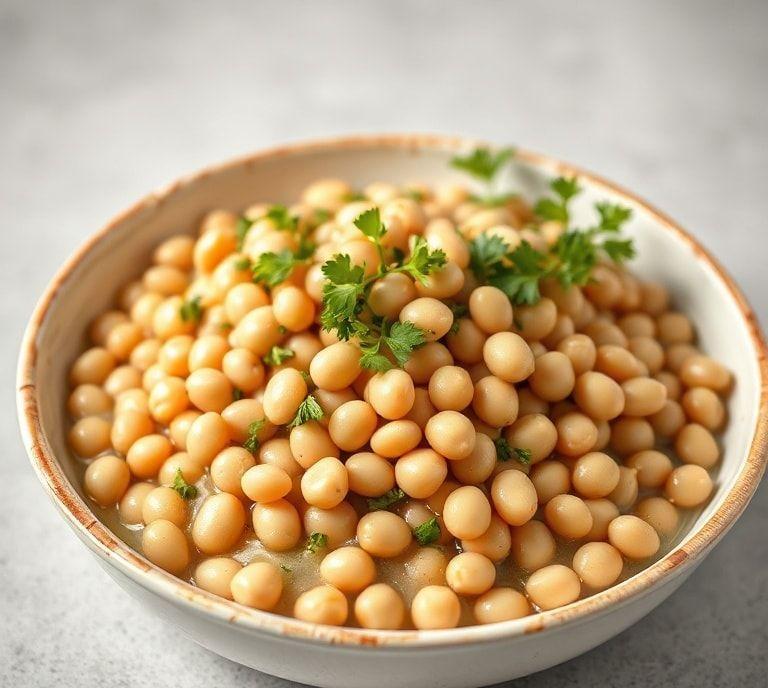
This recipe is a true reflection of how a few pantry staples can create something comforting and wholesome. I remember the first time I made this dish; I wasn’t quite sure how the mung beans would turn out. I’ve made lentil soups and chickpea curries, but mung beans seemed more elusive, something I’d rarely used before. But once I tasted that first bite of the creamy, earthy stew, I knew I’d found something special.
This vegetarian mung bean recipe has a beautiful balance of flavors. The beans themselves are mild and slightly nutty, which pairs wonderfully with spices like cumin and turmeric. The freshness of tomatoes, cilantro, and lemon gives it a zing that keeps the flavors light despite its hearty nature. The beauty of this dish lies in its flexibility-you can tweak the spices, the heat, or even the texture depending on what you’re in the mood for.
Ingredients Needed
- 1 cup mung beans (rinsed and soaked)
- 2 tablespoons olive oil (or ghee if you want a richer taste)
- 1 large onion, finely chopped
- 3 garlic cloves, minced
- 1-inch piece of ginger, minced
- 1 large tomato, diced
- 1 green chili (optional, depending on your spice preference)
- 1 teaspoon cumin seeds
- 1 teaspoon ground turmeric
- 1 teaspoon ground cumin
- 1 teaspoon ground coriander
- Salt to taste (I always use Himalayan pink salt for its earthy flavor)
- 4 cups vegetable broth or water
- 1 cup coconut milk (for a creamy finish)
- Juice of 1 lemon
- Fresh cilantro for garnish
This combination of ingredients might seem pretty standard, but the magic happens in how you layer the spices and build the flavors during the cooking process. If you’ve never cooked with mung beans before, they may seem a little unassuming, but they’re one of those ingredients that really shines once you add heat and seasonings.
Cooking Instructions
- Prep the Mung Beans: Start by rinsing the mung beans under cold water and soaking them for at least an hour (overnight is ideal, but an hour is fine). Soaking softens the beans and reduces their cooking time. Once soaked, drain them and set aside.
- Sauté the Aromatics: In a large pot or Dutch oven, heat the olive oil over medium heat. Add the cumin seeds and let them sizzle for a few seconds. This helps release their oils and deepen their flavor. Add the chopped onions and cook until they turn soft and golden brown-about 5 minutes. Add the minced garlic and ginger, and cook for another minute until fragrant.
- Spices: Sprinkle in the turmeric, ground cumin, ground coriander, and salt. Stir everything together and let it cook for another 2 minutes. At this stage, the spices should be fragrant and a little toasted, which will bring out their complexity.
- Add the Tomatoes: Toss in the diced tomatoes and cook for about 5 minutes until they break down and start to form a bit of a sauce. The acidity from the tomatoes helps balance the earthiness of the mung beans.
- Simmer the Beans: Add the soaked mung beans to the pot along with the vegetable broth (or water) and bring to a boil. Lower the heat to a simmer and cover the pot. Let it cook for about 30-40 minutes, stirring occasionally. If you like a creamier consistency, you can mash some of the beans as they cook.
- Finishing Touches: Once the beans are tender and the stew has thickened, pour in the coconut milk. Stir to combine and let it simmer for an additional 5 minutes. Finish with a squeeze of fresh lemon juice and a sprinkle of cilantro for a pop of freshness.
- Serve: Serve the mung bean stew hot, either on its own or with rice or flatbreads. The stew is rich and creamy, with a subtle heat from the spices and a touch of citrus brightness.
Ingredient Science Spotlight
Let’s talk about mung beans for a moment. These little legumes are powerhouses when it comes to nutrition. Mung beans are high in plant-based protein, making them a great alternative for vegetarians and vegans. They also pack a punch in terms of fiber, which aids in digestion and helps keep you feeling full longer. What makes mung beans so interesting is their ability to absorb the flavors they’re cooked with, creating a rich and satisfying dish, even when paired with minimal ingredients.
Mung beans are also known for their detoxifying properties in traditional medicine. In Ayurvedic practices, mung beans are considered cooling, making them perfect for balancing pitta dosha (associated with heat and inflammation). This makes them a great choice for any time of year, but especially in warmer months when you want a light, yet filling meal that won’t leave you feeling sluggish.
Expert Tips
- Soaking is Key: If you have the time, soak your mung beans overnight. It reduces cooking time and makes the beans easier to digest. If you’re in a rush, an hour of soaking will still do the trick.
- Layer Your Spices: Don’t rush the spice-building process. Toasting the cumin seeds and letting the ground spices cook for a minute or two before adding liquids allows their flavors to bloom fully, making the dish more aromatic.
- Adjust the Heat: If you like it spicy, don’t shy away from adding more chili or a pinch of red pepper flakes. The beauty of this dish is that you can really control the spice level to suit your taste.
- Consistency Is Up to You: For a stew-like consistency, simmer the beans until they break down and thicken up. For a soupier texture, add more liquid or broth.
- Toppings Make a Difference: Fresh cilantro, a squeeze of lemon, or a dollop of yogurt (dairy or non-dairy) can elevate the dish and add extra layers of flavor.
Recipe Variations
While this recipe is fantastic as it is, there are endless ways to customize it based on what you have on hand or what you’re craving.
- Add Greens: Throw in some spinach, kale, or Swiss chard in the last 10 minutes of cooking for a burst of color and extra nutrients.
- Add Coconut Flakes: For a bit of texture and sweetness, sprinkle some unsweetened coconut flakes over the stew just before serving.
- Lemon Zest: If you like an extra citrusy punch, add some lemon zest right at the end for a fragrant, bright finish.
- Protein Boost: You can add in tofu or tempeh for a protein boost. I’ve even stirred in a handful of cashews for a bit of crunch and richness.
Final Words
This mung bean stew has quickly become one of my favorite go-to recipes for those days when I want something simple, nourishing, and satisfying. It’s an ideal dish for meal prepping as the flavors deepen over time, making it just as good (if not better) the next day. Whether you’re looking to make a cozy dinner for one or a feast for the family, this recipe is flexible and forgiving, so don’t be afraid to get creative with it.
FAQs
What Are Some Common Vegetarian Recipes That Use Mung Beans?
Mung beans are versatile in vegetarian cooking and can be used in a variety of recipes. Common dishes include mung bean curry, mung bean stew, sprouted mung bean salads, mung bean burgers, and mung bean stir-fries. These dishes often highlight the bean’s ability to absorb flavors and can be paired with vegetables, grains, and spices like turmeric, cumin, and coriander for added depth.
How Do You Cook Mung Beans For A Vegetarian Recipe?
To cook mung beans, rinse them thoroughly under cold water to remove any impurities. For most recipes, such as soups or curries, cook the mung beans by boiling them in a pot with 3 cups of water for every cup of beans. Bring the water to a boil, then reduce to a simmer and cook for 30-40 minutes until they are tender. For sprouted mung beans, soak them overnight, drain, and let them sprout for 2-3 days before using them in salads or wraps.
Are Mung Beans A Good Source Of Protein For Vegetarians?
Yes, mung beans are an excellent source of plant-based protein, making them an ideal choice for vegetarians. A cup of cooked mung beans provides about 14 grams of protein, along with essential amino acids. They are also rich in fiber, vitamins, and minerals such as iron and magnesium, contributing to a well-rounded and nutritious vegetarian diet.