There’s something magical about a good bowl of noodles. They’re comforting, versatile, and, most importantly, they have this unique ability to bring people together-whether it’s a quiet evening spent alone or a lively dinner party. One of my most cherished memories in the kitchen is making noodles from scratch with my grandmother, who had perfected the art of creating mouth-watering dishes that were always simple but packed with flavor. Her go-to was a classic Chinese vegetarian noodle dish-spicy, savory, and perfectly satisfying. Every time I make it, I feel a bit of that love and nostalgia creeping back into the kitchen.
This particular recipe was passed down to me, and I’ve made a few tweaks over the years to make it my own. It’s one of those dishes you can easily adapt to your taste, and the best part is, it doesn’t need fancy ingredients or complicated techniques. You’ll be whipping this up in no time-and trust me, your taste buds will thank you.
Chinese Noodles Vegetarian Recipe
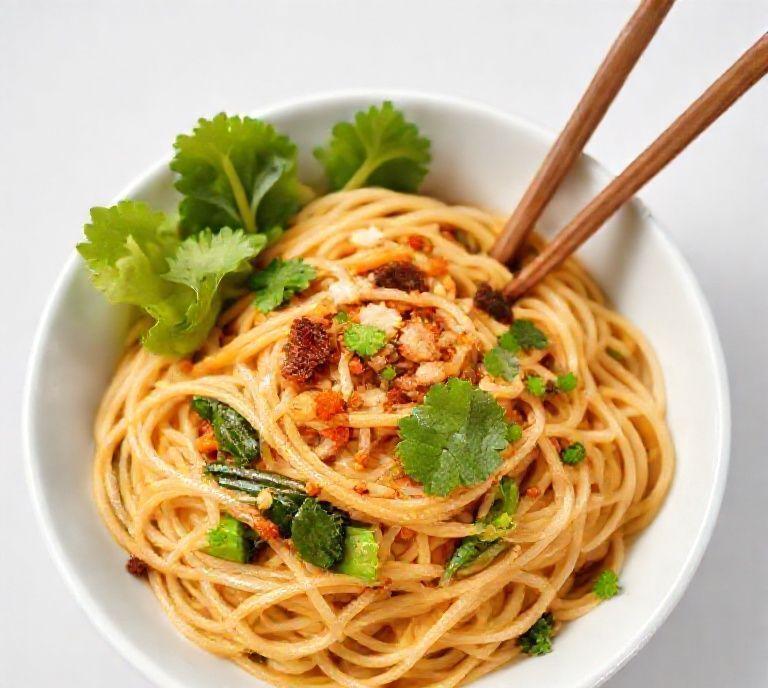
This Chinese vegetarian noodle dish is inspired by the flavors I grew up with, featuring a savory, umami-packed sauce that coats the noodles beautifully. The combination of fresh vegetables, soy sauce, sesame oil, and just the right amount of spice is the secret to making it taste like something you’d find at a cozy neighborhood restaurant. The beauty of this dish lies in its simplicity, but you can also get creative with it, depending on what you have on hand.
Ingredients Needed
- Noodles: You can use any type of noodles, but I recommend Chinese egg noodles, soba, or rice noodles for that authentic taste and texture. If you’re looking for a gluten-free option, rice noodles work perfectly.
- Vegetables: Fresh vegetables like bell peppers, mushrooms, bok choy, and carrots are perfect here. They add both flavor and texture, giving you that satisfying crunch and freshness.
- Ginger and Garlic: These two ingredients form the foundation of the sauce, adding warmth and depth.
- Soy Sauce: A staple in Chinese cooking. I prefer using low-sodium soy sauce to control the saltiness.
- Sesame Oil: This will give the dish that irresistible, nutty aroma. A little goes a long way, so don’t overdo it.
- Rice Vinegar: A dash of rice vinegar balances the flavors and adds a little tang to the dish.
- Chili Paste or Sauce (Optional): If you like heat, a spoonful of chili paste will give the noodles a delightful kick.
- Green Onions: For garnish, adding freshness and a burst of color.
- Toasted Sesame Seeds (Optional): These give the dish an extra crunch and a lovely nutty flavor.
Cooking Instructions
- Prepare the Noodles: Start by cooking the noodles according to the package instructions. Once done, drain and set them aside. If you’re using fresh noodles, just a quick rinse in hot water will do the trick. The texture of the noodles plays a huge role in how the dish turns out, so if you’re using dry noodles, make sure to cook them al dente so they don’t get too soft in the sauce later on.
- Prep the Veggies: While your noodles are cooking, chop the vegetables. You want them in bite-sized pieces, which ensures they cook evenly and mix well with the noodles. Don’t worry about making everything look perfect-just focus on getting them roughly the same size so they cook at the same rate.
- Make the Sauce: In a small bowl, mix together soy sauce, sesame oil, rice vinegar, ginger, garlic, and chili paste (if using). Stir everything together and taste it-this is where you can adjust the balance of salty, sweet, and tangy. If you like it a bit sweeter, add a touch of sugar or honey.
- Stir-fry the Veggies: Heat a large skillet or wok over medium-high heat. Add a tablespoon of oil and toss in your ginger and garlic. Let them sizzle for about 30 seconds until fragrant. Then, add your vegetables, starting with the ones that take a bit longer to cook, like carrots and bell peppers, and ending with the quicker-cooking ones like mushrooms and bok choy. Stir-fry them for about 4-5 minutes, just until they’re tender but still a little crisp.
- Combine the Noodles and Sauce: Toss your cooked noodles into the skillet with the vegetables. Pour the sauce over everything and toss it all together. You’ll want to make sure the noodles are fully coated with the sauce. Let everything cook together for another 2-3 minutes to allow the flavors to meld.
- Garnish and Serve: Once the noodles are heated through and everything is well mixed, remove the pan from the heat. Plate your noodles and sprinkle with chopped green onions and toasted sesame seeds.
Ingredient Science Spotlight
The beauty of this dish lies in the balance of ingredients, each of which serves a specific purpose. Take soy sauce, for instance. This fermented concoction adds depth and a salty umami punch, but it’s more than just salt. It has a complex profile thanks to the amino acids developed during fermentation. This is the backbone of many Chinese dishes, as it enhances the natural flavors in the vegetables and noodles.
Then there’s sesame oil-it’s not just a flavoring, it’s a mood-setter. The toasty, nutty aroma that fills the kitchen as it hits the hot pan is a sensory cue to your brain that something delicious is about to happen. The oil also helps the noodles not stick together, adding a silkiness to the texture.
Finally, ginger and garlic are often used as flavor foundations in many Chinese dishes. Ginger adds a spicy, slightly sweet zing, while garlic offers warmth and depth. These two ingredients don’t just make the dish smell incredible-they elevate the flavor profile, balancing the savory and sweet elements.
Expert Tips
- Don’t Overcrowd the Pan: When stir-frying the vegetables, give them room to breathe in the pan. Overcrowding leads to steaming instead of searing, which means you won’t get that delicious caramelization on the veggies. If your pan is small, work in batches.
- Use High Heat for Stir-Frying: The key to a great stir-fry is high heat. The quick searing locks in the flavors, and the high heat gives the veggies a slightly charred edge, which adds to the complexity of the dish.
- Customize Your Protein: If you’re looking to add more protein to the dish, consider tofu or tempeh. Pan-fry the tofu separately until it’s crispy and golden on all sides, then toss it in at the end. It’ll absorb all the flavors and add texture.
- Adjust to Taste: Like with any recipe, the beauty of this one is its flexibility. If you like it sweeter, add a little more rice vinegar or a drizzle of honey. If you want it spicier, don’t hesitate to throw in some extra chili paste or even a few chili flakes.
Recipe Variations
- Spicy Sichuan Noodles: If you want a little extra heat, try adding Sichuan peppercorns to the oil when stir-frying. This will create a numbing spice that’s characteristic of Sichuan cuisine.
- Mushroom Medley: For a richer, earthier flavor, add a variety of mushrooms like shiitake, oyster, or king oyster. Their meaty texture is a perfect match for the noodles.
- Crispy Shallots: For an added layer of flavor and texture, sprinkle some crispy shallots on top of the finished dish. The crunch paired with the soft noodles creates a beautiful contrast.
- Noodle Soup Version: If you prefer a soupy version of the dish, simply add vegetable broth before adding the noodles. Let it simmer for a few minutes until the noodles soak up the broth, and garnish with fresh herbs like cilantro.
Final Words
Noodles are an art form in so many cultures, but there’s something about Chinese noodles that feels especially comforting. Whether it’s the savory depth of the soy sauce, the freshness of the vegetables, or the nutty richness of the sesame oil, every bite reminds me of the importance of simplicity in cooking. This dish is perfect for when you want something quick but satisfying, or when you’re looking to impress friends or family with minimal effort.
FAQs
What Vegetables Are Typically Used In A Vegetarian Chinese Noodle Recipe?
In a vegetarian Chinese noodle recipe, commonly used vegetables include bell peppers, carrots, cabbage, mushrooms, snow peas, bok choy, and green onions. These vegetables are chosen for their texture, flavor, and ability to absorb sauces, creating a well-balanced dish.
Can I Substitute The Noodles In A Vegetarian Chinese Noodle Recipe For A Gluten-free Option?
Yes, you can substitute traditional wheat noodles with gluten-free alternatives such as rice noodles, soba noodles made from buckwheat, or even gluten-free ramen. Be sure to check the texture and cook times as they can vary from regular noodles.
What Type Of Sauce Is Typically Used For Vegetarian Chinese Noodles?
For vegetarian Chinese noodles, a variety of sauces can be used depending on the desired flavor profile. Common options include soy sauce, hoisin sauce, oyster sauce (vegetarian versions are available), sesame oil, and chili paste. These sauces are often combined with garlic, ginger, and a little sugar for balance, giving the dish a savory and slightly sweet taste.