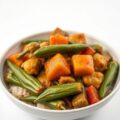
There’s something uniquely comforting about a warm, hearty dish that fills your kitchen with irresistible aromas-especially when it’s one of those meals that holds stories of history, culture, and family gatherings. The dish I’m talking about is Dhansak, a staple of Parsi cuisine, which has roots in the ancient Persian empire and was brought to India by Zoroastrian refugees centuries ago. It’s a delicious, soul-satisfying stew that combines the perfect balance of spicy, sweet, and savory, with lentils, vegetables, and meat (usually lamb or chicken). But let’s turn the spotlight on a variation that even non-meat eaters can revel in: Vegetarian Dhansak.
Why choose a vegetarian version? For me, it’s about tapping into the core of the dish without compromising the complex flavors. The magic of Dhansak doesn’t lie solely in the meat; it’s in how the ingredients dance together-lentils, vegetables, aromatic spices, and a tangy sweetness from fruits like pineapple. When you strip away the meat and focus on plant-based ingredients, it still retains that same hearty richness. Plus, vegetarian dishes like this have a way of welcoming every flavor and texture into the mix, making them perfect for both newcomers and seasoned cooks alike.
Let’s dive into how you can create your own vegetarian Dhansak, full of deep flavors, a little tang, and just the right amount of heat.
Vegetarian Dhansak Recipe
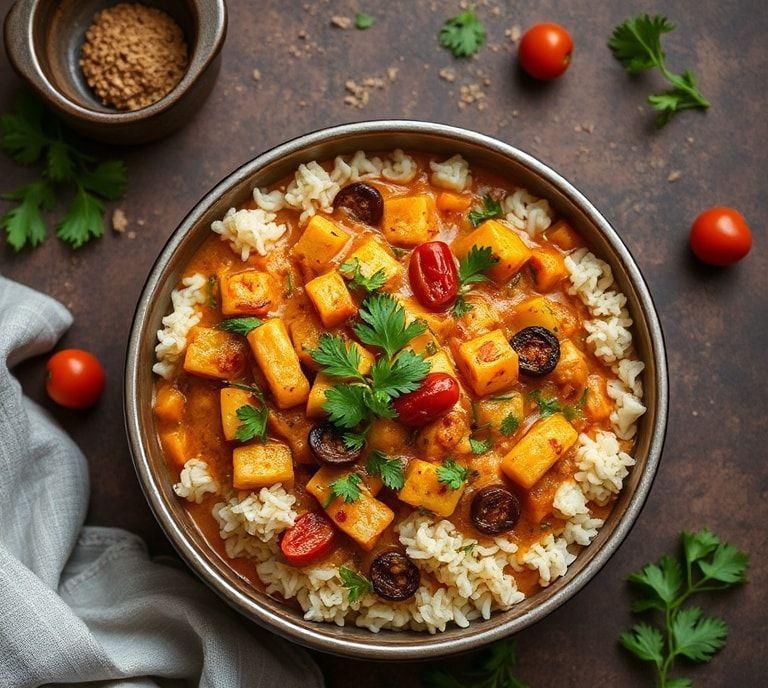
The beauty of making vegetarian Dhansak lies in how customizable it can be. You’re free to choose vegetables that are in season or those you’ve got in your pantry. It’s a dish that grows with your tastes-whether you like it extra spicy or prefer to balance the heat with more sweetness. Here’s a recipe that I’ve tried countless times, and each time it feels just a little more like home.
Ingredients Needed
The list of ingredients for this vegetarian Dhansak might seem like a lot at first, but once you get your hands on the right spices and lentils, it all comes together beautifully. Here’s what you’ll need:
For The Dhansak Base
- 1 cup yellow lentils (moong dal works wonderfully)
- 1 cup red lentils (masoor dal)
- 1 medium onion, finely chopped
- 2 medium tomatoes, chopped
- 1 carrot, peeled and chopped
- 1 potato, peeled and chopped
- 1 small zucchini, chopped
- 1 cup pumpkin or butternut squash, peeled and chopped
- 1/2 cup spinach (fresh or frozen)
- 1/2 cup pineapple, chopped (yes, the pineapple adds a fantastic touch of sweetness)
- 1-2 green chilies, slit (adjust according to spice preference)
Spices
- 1 tbsp cumin seeds
- 1 tbsp coriander powder
- 1 tsp turmeric powder
- 1 tsp garam masala
- 1 tsp ground ginger
- 1 tsp cinnamon powder
- 1-2 bay leaves
- Salt, to taste
- 1 tbsp tamarind paste (this adds a delightful tang)
- 1 tbsp jaggery or brown sugar (for that sweet contrast)
- 1 tbsp oil (vegetable or coconut)
For Garnish
- Fresh cilantro leaves (coriander), chopped
- A squeeze of lemon juice
Cooking Instructions
Now, I’m going to walk you through the cooking process. It’s an easy rhythm once you get the hang of it, and while there’s some time involved, the end result is well worth it.
- Prepare the Lentils: Rinse the yellow and red lentils thoroughly in water. In a large pot or pressure cooker, cook the lentils with about 4 cups of water until soft. If using a pressure cooker, it will take about 3-4 whistles. If cooking on the stove, about 30 minutes. You want them to break down and become mushy.
- Cook the Vegetables: In a separate large pot, heat the oil over medium heat. Add the cumin seeds and bay leaves. Let them splutter for a few seconds, then toss in the onions. Sauté the onions until golden brown. Add the ginger and green chilies, followed by the chopped tomatoes. Cook for a couple of minutes until the tomatoes soften.
- Add the Vegetables and Spices: Add the carrot, potato, zucchini, pumpkin, and spinach to the pot. Stir them around for a minute, then sprinkle in the coriander powder, turmeric, cinnamon, and garam masala. Let everything cook together for another 5-6 minutes, letting the spices bloom in the oil.
- Combine the Lentils and Vegetables: Add the cooked lentils to the pot with the vegetables. Stir everything together, and add about 1 cup of water (or more, if you like a thinner consistency). You want it to be a thick stew, but not dry.
- The Sweet and Tangy Touch: Now comes the fun part-add the pineapple, tamarind paste, and jaggery or brown sugar. Let everything simmer for 10-15 minutes, allowing the flavors to meld together. You’ll see the pineapple break down and infuse the dish with a subtle sweetness, balancing the spices beautifully.
- Taste and Adjust: This is where you’ll want to taste the dish and adjust the seasoning. If it’s too sour, a touch more jaggery will balance it out. If you like it spicier, throw in a pinch of chili powder or another green chili.
- Garnish and Serve: Once everything is cooked through and the flavors are just right, take the pot off the heat. Garnish with fresh cilantro and a squeeze of lemon juice. Serve it over fluffy basmati rice or with warm naan bread.
Ingredient Science Spotlight
Every ingredient in this recipe plays a key role, not only in flavor but in texture, nutrition, and the overall experience of the dish. Let’s break down a few of the stars:
- Lentils (Moong and Masoor Dal): These legumes are the heart of any Dhansak. Lentils are a great source of protein, making this a hearty, filling dish. They break down during cooking, contributing to the stew’s creamy texture. Moong dal is particularly gentle on the stomach, while masoor dal adds a rich earthiness.
- Pumpkin or Butternut Squash: Not only do they bring a velvety texture, but they also add a subtle sweetness that complements the spiciness. They’re full of vitamins, including A and C, which boost the immune system.
- Pineapple: The pineapple might seem unusual at first glance, but it’s one of the defining flavors in a traditional Dhansak. The natural sweetness and tanginess add complexity, balancing the spices perfectly.
- Tamarind Paste: Tamarind is a sour, tangy ingredient used to cut through the richness of the dish. Its acidity makes the dish more dynamic, adding layers of flavor.
- Garam Masala: This is the secret weapon. A blend of warm spices (cumin, cinnamon, cloves, cardamom) that come together to give the dish its deep, aromatic profile. It’s warm, slightly sweet, and adds that magical depth.
Expert Tips
- Adjust the Consistency: Some like their Dhansak thicker, while others prefer it a bit more soup-like. You can easily adjust the consistency by adding more water during the cooking process.
- Spice Control: If you’re not sure about how much spice you want, start with a little and add more as you go. You can always increase the heat, but you can’t really dial it back once it’s in there.
- Let it Sit: Like many stews and curries, Dhansak tastes even better the next day. The flavors meld beautifully after some time, so consider making it in advance and letting it sit overnight.
- Use a Pressure Cooker: If you’re short on time, using a pressure cooker for both the lentils and vegetables is a huge time-saver. Just be mindful of the cooking time to avoid overcooking the vegetables.
Recipe Variations
- Add Chickpeas: Some people love to add chickpeas (garbanzo beans) to their Dhansak, which gives it an additional texture and extra protein punch.
- Use Different Vegetables: If you’re not a fan of pumpkin or zucchini, feel free to use other vegetables like sweet potatoes, cauliflower, or even eggplant.
- Vegan Version: To make it vegan, simply skip the use of jaggery or sugar that may contain animal products, and opt for coconut sugar or agave syrup instead.
- Nuts and Seeds: For a richer texture, try adding cashews or almonds. They give a delightful crunch and a creamy texture if you blend them into the stew.
Final Words
Vegetarian Dhansak is one of those dishes that transforms the humble ingredients of everyday cooking into something extraordinary. It’s a dish that’s rich in history, packed with nutrients, and brimming with the kind of comforting warmth that makes you feel like you’re wrapped in a cozy blanket. Whether you’re serving it on a quiet evening at home or sharing it with friends at a dinner party, this vegetarian version of Dhansak has a way of bringing people together.
FAQs
What Is A Vegetarian Dhansak Recipe?
Vegetarian dhansak is a popular dish from Parsi cuisine that combines lentils, vegetables, and a blend of aromatic spices, typically served with brown rice. It is a hearty, flavorful dish that balances sweet, sour, and spicy elements. The dish is traditionally made with a mix of yellow lentils, vegetables like pumpkin, spinach, and carrots, along with spices such as cumin, coriander, and turmeric. Tamarind or jaggery is often used to add a tangy or sweet flavor to the dish.
Can I Customize The Vegetables In A Vegetarian Dhansak Recipe?
Yes, you can easily customize the vegetables in a vegetarian dhansak recipe. While traditional recipes use ingredients like pumpkin, spinach, carrots, and eggplant, you can add or substitute other vegetables based on your preferences or availability. For instance, zucchini, potatoes, or peas can also work well. The key is to use a variety of vegetables to balance texture and flavor, as dhansak typically has a rich and hearty consistency.
Is Vegetarian Dhansak Recipe Spicy?
Vegetarian dhansak is typically mildly spicy, with the heat level adjusted to personal taste. The dish is flavored with a blend of spices such as cumin, coriander, and garam masala, which provide warmth without overwhelming heat. The addition of tamarind or jaggery balances the spiciness with tanginess or sweetness. If you prefer a spicier version, you can increase the amount of chili or add a pinch of red chili powder to suit your taste.