There’s something about a homemade recipe that brings you closer to the kitchen. It’s not just about the food; it’s about the process-the chopping, the stirring, the joy of creating something from scratch. One of my favorite things to make at home is mayonnaise. I know, it sounds like something simple, but trust me when I say, once you’ve tasted homemade mayo, store-bought will never quite cut it. It’s creamy, rich, and has that little zing that makes it perfect for so many dishes. Plus, there’s a twist to this one: it’s a vegetarian version, meaning it’s free from eggs. I remember the first time I made it; I was a bit nervous because I had no idea how the texture would hold up without the eggs. But it worked, and it worked so well. Ever since, I’ve been hooked.
So let’s dive into making a mayonnaise that’s not only vegetarian but just downright delicious. Whether you’re dipping fries, spreading it on a sandwich, or mixing it into a salad, this mayo will elevate whatever you pair it with.
Mayonnaise Vegetarian Recipe
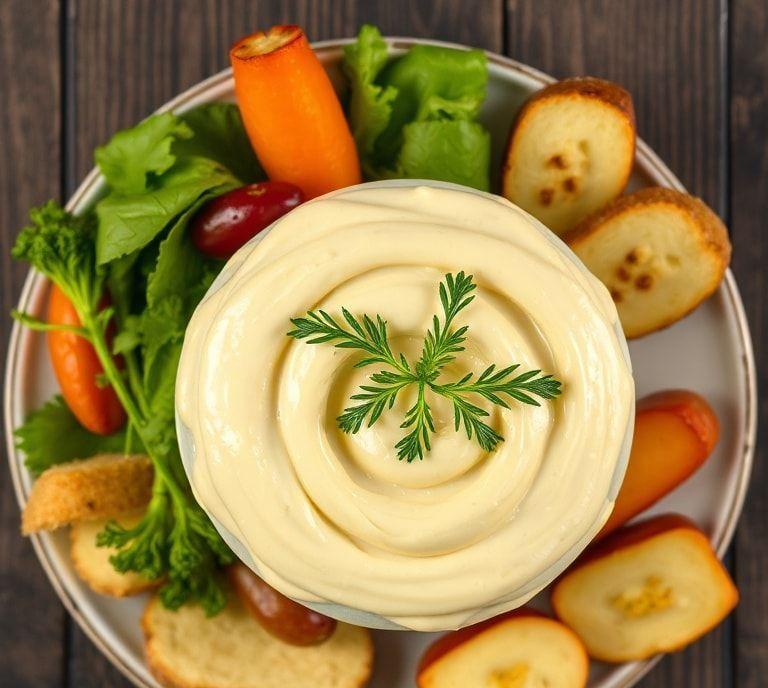
Making vegetarian mayonnaise is surprisingly easy. You won’t even miss the eggs. The trick is to use plant-based ingredients that mimic the texture and richness of traditional mayo, and with a few simple swaps, you’ll have a creamy, decadent spread.
Ingredients Needed
Now, let’s gather what you’ll need. These ingredients are mostly pantry staples, so you probably have most of them on hand.
- 1 cup of neutral oil (I like sunflower or canola oil-something that won’t overpower the flavor)
- 1/4 cup of plant-based milk (I prefer unsweetened soy milk for its creaminess, but almond or oat milk works fine too)
- 1 tablespoon of apple cider vinegar (for that sharp tang we all love in mayo)
- 1 teaspoon of Dijon mustard (adds a bit of zing and a touch of depth)
- 1/2 teaspoon of salt (adjust to taste)
- 1 teaspoon of lemon juice (optional, but it adds a lovely fresh note)
- 1/4 teaspoon of garlic powder (because, let’s face it, garlic and mayo go hand-in-hand)
- 1/4 teaspoon of ground mustard (to intensify the mustard flavor)
These ingredients come together in a way that gives you a mayo that’s velvety smooth and delicious, with just the right balance of acidity and richness.
Cooking Instructions
- Blend the Wet Ingredients: Start by adding the plant-based milk, apple cider vinegar, Dijon mustard, lemon juice, garlic powder, and salt into a high-speed blender. Blend on low for about 10 seconds to get everything combined. It’s important to get the base mixed well before you start adding the oil. This creates a nice emulsion.
- Slowly Add the Oil: This is where you’ll see the magic happen. With the blender running, slowly drizzle in your oil, little by little. It’s key to go slow here-if you add it too quickly, the mayo won’t emulsify properly, and you’ll end up with a separated mess. I usually take about 2-3 minutes to add the oil, but you’ll see it thickening up as you go.
- Taste and Adjust: Once the oil is fully incorporated and the mayo is thick and creamy, stop and taste it. Do you need a little more salt or a splash of vinegar? Feel free to adjust to your preference. If you want a bit more tang, add more vinegar or lemon juice. Want it creamier? A little more oil will do the trick.
- Chill: If you have the patience, let it chill in the fridge for about an hour before using it. It helps the flavors meld together and the consistency settle into perfection.
Ingredient Science Spotlight
So, what’s going on behind the scenes here, ingredient-wise? The key to this vegetarian mayo lies in the emulsion process. Mayo is essentially an emulsion, where tiny droplets of oil are suspended in water. In traditional recipes, egg yolks act as an emulsifier, helping oil and water mix. In our vegan version, we replace the egg with plant-based milk, which contains proteins and fats that help form that silky smooth texture. The Dijon mustard also plays a crucial role, not only bringing flavor but also helping with the emulsification process, making the oil blend seamlessly into the liquids.
Apple cider vinegar and lemon juice bring acidity, which cuts through the richness and balances the mayo’s flavor. Without these, the mayo would feel flat and overly heavy. The garlic and ground mustard provide that signature flavor we crave in mayo, turning a simple recipe into something special.
Expert Tips
- Use a neutral oil: The flavor of your oil will impact the taste of your mayo, so I highly recommend going for a neutral one, like sunflower or canola oil. If you use something like olive oil, it might overpower the other flavors.
- Emulsification is key: If your mayo doesn’t thicken up, it likely means the oil was added too quickly or the mixture wasn’t blended long enough. Take your time with the oil-it’s worth it.
- Storage: Homemade mayo can last about a week in the fridge, so don’t worry if you make a batch and have some leftover. It’s perfect for sandwiches, potato salads, and more. Just make sure to store it in an airtight container.
- Customize the flavor: Want a bit of kick? Add some hot sauce or smoked paprika for an extra flavor boost. You can also experiment with herbs like dill or chives if you’re feeling adventurous.
Recipe Variations
While this basic mayo is delicious, the possibilities are endless. Here are a few ways to switch things up:
- Garlic Mayo: Add a clove or two of garlic to the blender for an intense garlic mayo.
- Herb Mayo: Mix in fresh herbs like basil, parsley, or dill for a fresh, green mayo.
- Spicy Mayo: For those who like a little heat, stir in some sriracha or hot sauce to taste. It’s perfect for dipping or drizzling over tacos.
- Lemon & Thyme Mayo: For a more earthy and citrusy twist, add fresh thyme and more lemon juice. This is great for spreading on roasted vegetables or using as a sandwich spread.
Final Words
Making your own mayo might seem like a hassle, but trust me, it’s worth it. There’s a real sense of pride in creating something from scratch, especially when it’s as satisfying as homemade mayo. Plus, this vegetarian version is not only healthier but also more versatile. It works for everyone-whether you’re vegan, vegetarian, or just someone who loves good food.
FAQs
What Ingredients Are Used In A Vegetarian Mayonnaise Recipe?
A vegetarian mayonnaise recipe typically uses plant-based ingredients such as soy milk, almond milk, or oat milk, along with vegetable oil, vinegar or lemon juice, mustard, and seasonings like salt and pepper. Unlike traditional mayonnaise, it avoids the use of eggs, making it suitable for vegetarians and vegans.
Can I Make A Vegan Version Of Mayonnaise From A Vegetarian Recipe?
Yes, a vegetarian mayonnaise recipe can easily be made vegan by ensuring that all ingredients are plant-based. For example, use a non-dairy milk like soy or almond milk, and check that the mustard and vinegar are free from animal-derived ingredients. The main difference between vegetarian and vegan mayonnaise lies in the use of eggs, which are excluded in vegan versions.
How Can I Adjust The Flavor Of My Vegetarian Mayonnaise Recipe?
To adjust the flavor of your vegetarian mayonnaise, you can experiment with different types of vinegar (such as apple cider vinegar or white wine vinegar) for varying acidity, or add seasonings like garlic powder, onion powder, smoked paprika, or fresh herbs like dill or parsley. If you want a creamier texture, you can also incorporate a little extra olive oil or a small amount of aquafaba (chickpea brine) as a binding agent.