Baking has always been one of those things that, for me, feels like a delicate balance between science and art. There’s something magical about combining simple ingredients to create something beautiful-whether it’s the smell of fresh bread wafting through the kitchen or the anticipation of a cake rising in the oven. A good cake, though, isn’t just about sweetness. It’s about texture, balance, and the way each ingredient works in harmony.
This vegetarian almond cake recipe holds a special place in my heart. It’s not just another dessert to me; it’s a reminder that a few key ingredients-especially the power of almonds-can transform a simple cake into something extraordinary. The almond flavor isn’t overpowering, but it’s there in every bite, providing depth, warmth, and a slightly nutty richness that makes this cake anything but ordinary.
What I love most about this recipe is its versatility. It’s perfect for a casual afternoon treat or as a stunning centerpiece for a special occasion. Whether you’re vegan, vegetarian, or just looking for a simple yet elegant cake, this one has you covered. Plus, it’s a recipe that has been passed down in my family, with slight tweaks and adjustments over the years, always evolving, but always staying true to its comforting essence.
So, let’s get into it-the perfect almond cake that anyone can make, and everyone will love.
Vegetarian Almond Cake Recipe
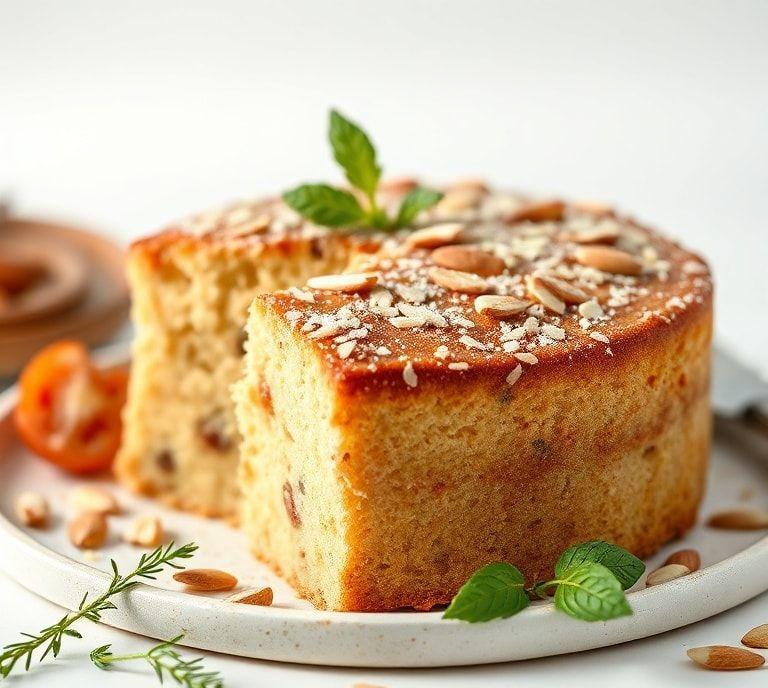
This cake is perfect for those who want something that’s both light and indulgent, but with a touch of healthy goodness. The almonds provide an incredible base, and the simplicity of the other ingredients allows the almond flavor to shine. It’s soft, moist, and light without being too rich, making it perfect for any occasion.
The best part? This cake is vegetarian, and depending on your choice of substitutes, it can easily be made vegan as well. If you’ve ever wanted a cake that feels a little lighter but still delivers on taste, this is it.
Ingredients Needed
You don’t need much to make this almond cake, and that’s part of the beauty of it. These are all ingredients you can easily find in most kitchens, but together, they work magic.
- Almond flour (1 ½ cups): This is the star ingredient. Almond flour provides moisture and tenderness that you won’t find in cakes made with regular flour. It’s also naturally gluten-free, which makes it a great option if you’re looking to cater to those with gluten sensitivities.
- Granulated sugar (¾ cup): Not too much, just enough to bring balance to the nutty flavor. You can also use coconut sugar for a more natural alternative or even maple syrup for a twist.
- Baking powder (1 ½ teaspoons): This helps the cake rise and gives it a light texture.
- Vegetable oil (½ cup): You can use any neutral-flavored oil here. I prefer using sunflower or canola oil, but olive oil can also work for a slightly fruity touch. It adds to the moisture of the cake without leaving a greasy aftertaste.
- Eggs (3 large): The eggs bring structure to the cake. If you’re vegan, you can replace them with a flax egg (1 tablespoon ground flaxseed mixed with 3 tablespoons water, let sit for 5 minutes) or a chia egg.
- Vanilla extract (1 teaspoon): A touch of vanilla goes a long way in rounding out the flavor profile.
- Almond extract (½ teaspoon): The secret ingredient. Almond extract elevates the flavor of the almond flour, making the cake rich in almond flavor without being overwhelming.
- Milk (½ cup): Dairy or non-dairy milk-this ingredient helps bring everything together, adding just the right moisture.
- Salt (½ teaspoon): A pinch of salt enhances all the flavors in the cake and helps balance out the sweetness.
- Sliced almonds (for topping): These are optional, but I recommend them. They add texture, a little crunch, and a gorgeous visual finish.
Cooking Instructions
I’ll take you through this step-by-step so you can feel confident from start to finish. The best part? It’s not complicated at all.
- Preheat your oven to 350°F (175°C). Grease and flour a 9-inch round cake pan or line it with parchment paper.
- Mix the dry ingredients: In a medium bowl, combine almond flour, sugar, baking powder, and salt. Whisk them together until well combined.
- Beat the wet ingredients: In a separate large bowl, beat the eggs. Add the vegetable oil, milk, vanilla extract, and almond extract, and whisk until everything is smooth and fully incorporated.
- Combine the dry and wet ingredients: Slowly add the dry ingredients into the wet ingredients and stir until everything is just combined. The batter will be thick but smooth.
- Pour into the prepared pan: Spread the batter evenly in the cake pan. Sprinkle a few sliced almonds on top to give it that gorgeous, nutty finish.
- Bake: Place the pan in the oven and bake for 30-40 minutes. The cake is done when a toothpick inserted in the center comes out clean, or with a few moist crumbs attached.
- Cool and serve: Let the cake cool in the pan for 10 minutes before transferring it to a wire rack to cool completely. You can serve it as is or dust it with a bit of powdered sugar for a delicate touch.
Ingredient Science Spotlight
Each ingredient in this recipe plays a specific role, and understanding the science behind them helps create a truly delicious cake.
- Almond flour: This is a star ingredient not only for its flavor but also its moisture-retaining properties. Unlike wheat flour, which absorbs moisture, almond flour keeps the cake tender and moist for days. It’s naturally rich in fats, which give the cake a rich flavor without the heaviness of butter.
- Baking powder: This leavening agent is what gives the cake its light, airy texture. The acid in the baking powder reacts with the alkaline baking soda, releasing carbon dioxide and causing the batter to rise.
- Eggs: Eggs are essential for structure. The proteins in the eggs help the cake hold its shape and maintain a moist texture. When combined with the oil, they also provide tenderness.
- Almond extract: Almond extract is like an amplified version of the flavor in almond flour. Just a tiny bit of it makes a huge difference in bringing out the nutty flavor.
- Oil: Oil is a key player here because it keeps the cake moist, unlike butter which can sometimes make a cake too dense. It also adds richness without overshadowing the almonds.
Expert Tips
- Don’t skip the almond extract: It might seem like a minor detail, but it makes a world of difference. It intensifies the almond flavor without overpowering it.
- Check your almond flour: Almond flour can be a bit tricky. Be sure to use a finely ground almond flour for the best texture. Coarse almond flour will result in a grainier texture.
- Room temperature ingredients: Make sure your eggs, milk, and oil are at room temperature before mixing them. This helps them blend more evenly into the batter.
- Let the cake cool: While it’s tempting to dig right in, letting the cake cool completely will give it a better texture. If you slice it too soon, it might crumble or be a bit too dense.
- Serve with whipped cream or fruit: For an extra touch, serve this cake with a dollop of whipped cream or fresh berries. The light, sweet fruit balances out the richness of the cake beautifully.
Recipe Variations
This cake is versatile and can be adjusted to suit different tastes.
- Vegan version: Swap the eggs for flax eggs or chia eggs, and use non-dairy milk (almond, soy, or oat milk works great). You can also substitute the oil with coconut oil for a bit of tropical flavor.
- Flavor variations: Want to get a little more adventurous? Add a teaspoon of cinnamon, nutmeg, or orange zest for a warm, spiced twist.
- Add-ins: Fold in some chopped dark chocolate, dried fruit (like cranberries or raisins), or shredded coconut for extra texture and flavor.
- Frosting: If you’re in the mood for frosting, try a light lemon glaze or even a simple buttercream frosting to complement the almond flavor.
Final Words
The beauty of this almond cake lies in its simplicity. With just a few ingredients, you can create something that feels luxurious without requiring hours of preparation. I’ve made this cake countless times, tweaking it slightly here and there, but the core essence remains the same. It’s a celebration of almonds in the most comforting way, and it’s always met with smiles and compliments.
FAQs
Can I Make A Vegetarian Almond Cake Without Eggs?
Yes, a vegetarian almond cake can be made without eggs by using alternatives such as unsweetened applesauce, mashed bananas, yogurt, or flaxseed meal mixed with water. These substitutes help bind the ingredients and maintain moisture in the cake, resulting in a soft and flavorful texture similar to traditional egg-based cakes.
What Type Of Almond Ingredient Works Best In A Vegetarian Almond Cake?
For the best flavor and texture, use finely ground blanched almonds or almond meal. Almond flour is also an excellent option, providing a moist and tender crumb. Whole or sliced almonds can be added for added texture and a subtle crunch, but they should complement rather than replace the primary almond ingredient.
How Can I Ensure My Vegetarian Almond Cake Stays Moist And Fluffy?
To keep a vegetarian almond cake moist and fluffy, avoid overmixing the batter, as this can develop gluten and make the cake dense. Incorporate a liquid sweetener such as honey, maple syrup, or plant-based milk to maintain moisture. Additionally, bake the cake at a moderate temperature and check for doneness using a toothpick; removing it slightly before it appears fully set helps retain softness.