I’ve always been a fan of pasta dishes that manage to balance both comfort and a vibrant array of flavors, and fettuccine is right at the top of that list. There’s something about the thick, wide noodles, silky and smooth, that somehow make everything else in the dish feel more substantial and rich. I remember the first time I made vegetarian fettuccine-trying to keep things light but full of flavor. It was a rainy weekend afternoon, and I was craving something hearty but still bright enough to feel fresh. I tossed together a mix of colorful vegetables, fresh herbs, and a rich cream sauce. I’ve made variations of that dish countless times since, but the core concept remains: vibrant veggies, creamy sauce, and pasta that sticks to everything just right.
So, let’s get into it! If you’re looking for a dish that makes a satisfying meal without leaning into the heaviness of meat, this fettuccine vegetarian recipe is one to keep in your back pocket. It’s flexible, full of flavor, and will undoubtedly have you coming back for more.
Fettuccine Vegetarian Recipe
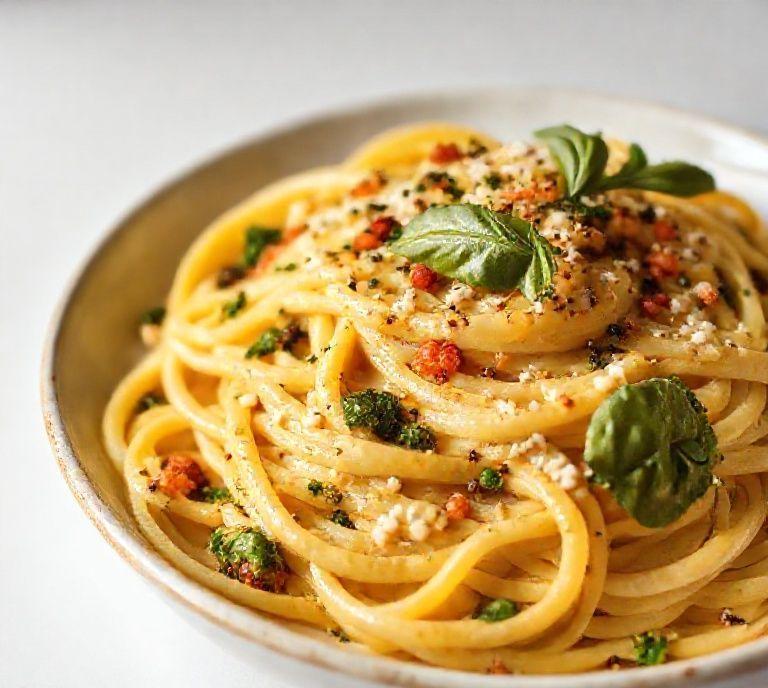
This fettuccine vegetarian recipe is the perfect balance of creamy and fresh. The vegetables I use are hearty enough to complement the rich sauce, yet they don’t overpower the dish. The beauty of this recipe is in its versatility-whether you’re using whatever’s in the fridge or crafting something a bit more elevated, it’s bound to be a hit.
Ingredients Needed
Here’s the lineup of ingredients you’ll need for this vegetarian fettuccine dish. You might recognize a few as staple kitchen items, while others might add that extra punch of flavor to really bring everything together.
-
Fettuccine Pasta (1 Lb / 450g)
The base of the dish, and no, you can’t substitute this with spaghetti. The wide, flat shape is what holds that creamy sauce just right.
-
Olive Oil (2 Tablespoons)
For sautéing your veggies. It also adds that rich depth of flavor that’s a must in any Mediterranean-inspired dish.
-
Yellow Onion (1, Medium)
Adds sweetness to the base, providing a layer of depth. I love caramelizing it a bit for that extra sweetness.
-
Garlic (4 Cloves)
Minced. You can never have too much garlic in a pasta dish, right?
-
Zucchini (1, Medium)
Sliced into half-moons. It’s mild but has a texture that stands up well to the creamy sauce.
-
Bell Peppers (2, Red Or Yellow)
Sliced thinly. Their sweetness balances the richness of the sauce beautifully.
-
Mushrooms (1 Cup, Sliced)
I usually go with cremini or button mushrooms, as they have that earthy flavor that complements the other vegetables.
-
Spinach (3 Cups, Fresh)
Because spinach is always a good idea. It wilts down to almost nothing but adds a lot of nutrition and a burst of green.
-
Heavy Cream (1 Cup)
This is where the magic happens. The creamy sauce envelops the pasta and veggies, making it indulgent without being overwhelming.
-
Parmesan Cheese (½ Cup, Grated)
Freshly grated, of course. It adds that final salty, nutty layer that ties everything together.
-
Fresh Basil (½ Cup, Chopped)
For garnish. A bit of fresh basil will brighten up the dish and make it pop with freshness.
-
Salt And Pepper (to Taste)
Seasoning is key. Don’t forget this-taste as you go!
Cooking Instructions
-
Cook The Fettuccine
Start by bringing a large pot of salted water to a boil. Drop in the fettuccine and cook it according to the package instructions, usually around 10-12 minutes, until al dente. Once done, drain the pasta and set it aside, reserving a bit of pasta water in case you need to loosen up the sauce later.
-
Prepare The Vegetables
While the pasta is cooking, heat the olive oil in a large skillet over medium heat. Add the onion and sauté it for 3-4 minutes, or until it becomes soft and translucent. Then, add the garlic and cook for another minute, letting it release its fragrance.
-
Sauté The Veggies
Toss in the zucchini, bell peppers, and mushrooms. Stir occasionally and cook for about 5-7 minutes, until the vegetables are tender and lightly browned.
-
Add The Cream
Pour in the heavy cream, stirring gently. Let it simmer for about 5 minutes, reducing slightly and thickening. Season with salt and pepper to taste. If the sauce feels too thick, you can add a splash of the reserved pasta water to loosen it up.
-
Combine Pasta And Sauce
Add the cooked fettuccine to the skillet, tossing it in the creamy vegetable sauce until everything is well-coated. Fold in the spinach and let it wilt into the sauce, just a couple of minutes.
-
Finish And Serve
Remove the skillet from heat. Stir in the Parmesan cheese until it melts into the sauce, adding that rich, savory layer. Taste and adjust seasoning as needed. Serve with a sprinkle of fresh basil and more Parmesan if you like!
Ingredient Science Spotlight
The Magic Of Cream In Pasta Dishes
Heavy cream is one of those ingredients that can take a dish from simple to luxurious. It’s a bit of a science, actually. When cream is added to hot ingredients, it helps to bind the fat and water molecules together, creating that smooth, velvety texture we all love in creamy pasta dishes. It also enhances the flavors of the other ingredients by making them more cohesive. But, here’s the catch: if you cook cream over too high of heat or for too long, it can break down, resulting in a curdled mess. That’s why you should always simmer it gently to get the perfect consistency-smooth, rich, and absolutely luscious.
Parmesan: A Flavor Powerhouse
Parmesan is another key player in this recipe. What makes it such an essential ingredient is its aging process. Parmesan is aged for several months, allowing its proteins to break down into smaller, flavorful molecules. When grated, these small particles release umami, the savory "fifth taste," which gives your pasta that irresistible depth of flavor. The saltiness and nutty undertones come from the fact that it’s made from cow’s milk and is usually aged for about 18 months. Parmesan doesn’t just add flavor-it’s a flavor magnifier, drawing out the best in the cream and veggies.
Expert Tips
- Don’t Overcook the Pasta: The key to great fettuccine lies in the pasta. Overcooking will make the noodles mushy and less able to hold the sauce. Be sure to cook it al dente, so it has a slight bite and holds up well when mixed with the creamy sauce.
- Use Fresh Garlic: Garlic powder or pre-minced garlic won’t give you the same depth of flavor as fresh garlic. If you have the option, always go for the fresh stuff. It’s worth the little extra time.
- Be Mindful of Salt: Both the Parmesan and the pasta water contribute salt to the dish, so be careful when seasoning the sauce. Taste as you go, and don’t add too much salt early on-adjust it right at the end.
- Adjust the Sauce Consistency: If the sauce is too thick, add a bit of the reserved pasta water to loosen it up. It has starch in it, which helps the sauce cling better to the pasta.
Recipe Variations
- Roasted Vegetables: For a richer flavor, consider roasting the vegetables before adding them to the sauce. The caramelization from roasting will give the dish a deeper, sweeter flavor.
- Add a Protein: If you want to make it heartier, try adding some chickpeas or cannellini beans. They’ll provide a satisfying plant-based protein without disrupting the dish’s vegetarian theme.
- Herb Variations: While basil is the classic choice, feel free to experiment with thyme, oregano, or even fresh dill for an unexpected twist.
Final Words
This fettuccine vegetarian recipe is the perfect example of how simple ingredients can come together to create something both comforting and satisfying. Whether you’re feeding yourself after a long day, cooking for a crowd, or just craving something indulgent yet light, it checks all the boxes. It’s the kind of dish that you’ll make again and again, each time tweaking it just a little bit to suit your mood or what’s in the fridge.
FAQs
What Are Some Common Ingredients In A Vegetarian Fettuccine Recipe?
A vegetarian fettuccine recipe typically includes fresh or dried fettuccine pasta, a variety of vegetables such as spinach, mushrooms, bell peppers, zucchini, or cherry tomatoes, and a flavorful sauce. Popular sauce choices include Alfredo made with cream or a plant-based alternative, tomato-based marinara, or a garlic and olive oil sauce. Additional ingredients can include garlic, onions, herbs like basil or parsley, and optional cheese such as Parmesan or a vegan alternative.
Can I Make A Vegan Version Of Fettuccine Vegetarian Recipe?
Yes, a vegan version can be made by substituting dairy-based ingredients with plant-based alternatives. For example, replace butter and cream in Alfredo sauce with coconut cream, cashew cream, or soy-based cream. Use vegan Parmesan or nutritional yeast for a cheesy flavor, and ensure the pasta does not contain eggs. Many vegetables and seasonings remain the same, making it easy to adapt the recipe while keeping it rich and flavorful.
How Can I Make My Vegetarian Fettuccine More Nutritious?
To enhance the nutritional value, incorporate a variety of colorful vegetables to provide fiber, vitamins, and minerals. You can also add plant-based protein sources such as chickpeas, tofu, tempeh, or lentils. Using whole wheat or gluten-free pasta increases fiber content, and including healthy fats like olive oil, avocado, or nuts boosts heart-healthy nutrients. Seasoning with fresh herbs and spices can also improve antioxidant content without adding extra calories or sodium.