Spring rolls are one of those dishes that never fail to impress. Whether you’re hosting friends for a casual gathering or preparing a light, flavorful dinner for yourself, fresh spring rolls can truly do it all. These crispy yet tender parcels are loaded with vibrant veggies and herbs, and with each bite, they offer a refreshing mix of textures that make them incredibly satisfying. But what really sets them apart? The fact that they’re versatile, easy to make, and have the kind of flavor that feels both healthy and indulgent at the same time.
Now, I’ll admit-when I first made fresh spring rolls, I was somewhat intimidated by the idea of working with rice paper and getting that perfect roll without everything falling apart. But after a few tries, I found that the process is surprisingly forgiving. As long as you prep your ingredients and have a little patience, you’ll be rolling like a pro in no time. The best part? It’s a dish that really allows you to get creative with what you’ve got in the fridge. No rules, just fresh ingredients and the joy of assembling them together.
In this post, we’re diving into a vegetarian fresh spring roll recipe-because there’s something so satisfying about creating a dish that’s not only healthy but also packed with bright, bold flavors. And don’t worry, we’ll take you step by step through the process, with plenty of tips and tricks to help you perfect your rolls.
Fresh Spring Roll Vegetarian Recipe
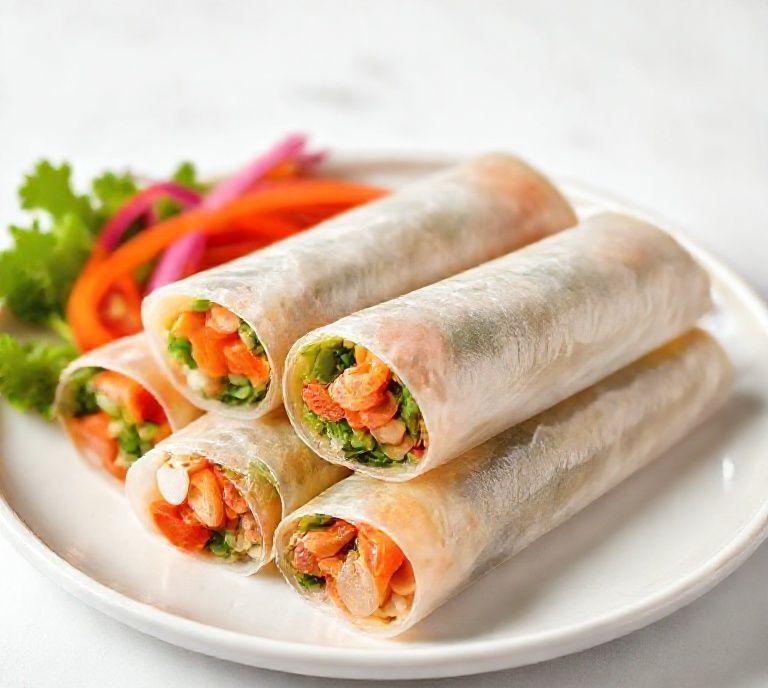
The vegetarian fresh spring roll is a celebration of simplicity. The rice paper serves as the perfect backdrop for crisp veggies, herbs, and tofu or avocado, while the dipping sauce elevates the entire dish to a whole new level. The beauty of this recipe lies in its ability to be customized-there’s no limit to the ingredients you can swap in or out depending on what’s in season or what you’re craving.
Ingredients Needed
To make a batch of fresh spring rolls, you won’t need a long list of ingredients. In fact, one of the reasons I love making this dish is because the ingredients are simple and easily accessible. Here’s what you’ll need:
- Rice Paper: This is the key element. These delicate, translucent wrappers hold everything together and create that satisfying texture when bitten into. You can find rice paper at most grocery stores, usually in the Asian foods section.
- Rice Noodles: These noodles are light, slightly chewy, and absorb the flavors of the vegetables and herbs around them. I often use the thin variety for this recipe because they fit perfectly in the rolls.
- Fresh Vegetables: The real star of this recipe. I love using a mix of shredded carrots, cucumber, and bell peppers, but you can also add ingredients like avocado, radishes, or even thinly sliced purple cabbage for extra crunch.
- Fresh Herbs: The key to making these rolls pop with flavor. Mint and cilantro are my go-to herbs for fresh spring rolls, but basil can be an exciting alternative if you’re looking for something with a bit more punch.
- Tofu: For a vegetarian protein boost, tofu works wonders. I like to press and marinate mine in a little soy sauce, sesame oil, and rice vinegar, then pan-fry it until golden and crisp.
- Dipping Sauce: A good dipping sauce can make or break fresh spring rolls. I typically whip up a simple peanut sauce using peanut butter, soy sauce, lime juice, and a touch of sweetener (like maple syrup or honey). You can also go for a tangy hoisin-based sauce if you prefer something a little sweeter.
Cooking Instructions
- Prepare the Rice Noodles: Begin by cooking your rice noodles according to the package instructions. They usually only need a few minutes in boiling water, so keep an eye on them. Once they’re cooked, drain and rinse them under cold water to stop the cooking process. Set them aside.
- Prep the Veggies: Julienne your carrots, cucumber, and bell pepper into thin strips. If you’re using avocado, slice it into thin pieces. Have your herbs ready to go as well-just pluck a few fresh leaves of mint and cilantro.
- Tofu Prep: If you’re using tofu, press it first to get rid of excess water. Once pressed, cut the tofu into strips, marinate it briefly in soy sauce, sesame oil, and rice vinegar (about 15 minutes), and then sauté it in a pan over medium heat until golden brown and crispy on the edges. Let it cool slightly before adding it to your rolls.
- Soak the Rice Paper: Fill a large shallow dish with warm water. Dip each rice paper sheet into the water for 5-10 seconds, just until it softens and becomes pliable. You don’t want to soak it too long or it’ll become too sticky and hard to work with.
- Assemble the Rolls: Lay the softened rice paper flat on a clean surface or a damp towel. In the center, add a small handful of rice noodles, a few strips of vegetables, a couple of pieces of tofu, and a few sprigs of fresh herbs. Be careful not to overstuff it; you want to leave a little room on the edges so you can roll it up properly.
- Rolling: Fold the sides of the rice paper over the filling, then gently roll it up from the bottom, tucking everything in as you go. The roll should be snug but not so tight that the paper tears. Repeat with the remaining ingredients.
- Make the Dipping Sauce: For the peanut dipping sauce, combine peanut butter, soy sauce, lime juice, maple syrup, and a pinch of garlic powder. You can add a little water to adjust the consistency if it’s too thick.
Ingredient Science Spotlight
The secret to great fresh spring rolls isn’t just the combination of flavors-it’s also about understanding the science behind the ingredients. For example, rice paper is made from rice flour and water, and its unique texture comes from its ability to hydrate quickly and create a chewy, slightly elastic wrap. This allows it to hold the fresh ingredients without getting soggy too quickly.
The tofu, often hailed for its versatility, is an excellent plant-based protein. It takes on the flavors of whatever it’s marinated in, which is why pressing and seasoning it before cooking is crucial to giving it that satisfying bite. Additionally, tofu’s protein content, combined with the fresh veggies, makes these spring rolls not only delicious but balanced in terms of macronutrients.
The fresh herbs, like mint and cilantro, bring more than just flavor-they also have natural digestive properties. Mint, in particular, is known for soothing the stomach, which makes it the perfect addition to a dish that’s so light and fresh.
Expert Tips
- Don’t Overfill the Rolls: It’s tempting to stuff as much as you can into each roll, but trust me, a little goes a long way. Too much filling and your rolls won’t hold together well. You want to ensure they’re tightly packed but not overloaded.
- Work Quickly with the Rice Paper: Once you dip the rice paper into the water, it becomes very soft. Work fast, but don’t rush it too much or the rice paper will tear. Practice makes perfect, so don’t be discouraged if it’s a little messy the first time!
- Use Cold Water for the Veggies: After you prepare your veggies, give them a quick rinse in cold water. This helps keep the veggies crisp and refreshing when they’re wrapped up in the rice paper.
- Customize the Protein: If tofu isn’t your thing, you can use tempeh, seitan, or even chickpeas for a different texture. Just make sure to marinate and cook them well to add flavor.
Recipe Variations
The beauty of fresh spring rolls is how customizable they are. Here are a few variations to keep your taste buds excited:
- Avocado & Mango: For a creamy, tropical twist, add slices of ripe avocado and sweet mango to your rolls.
- Spicy Peanut Tofu: For an extra kick, toss your tofu in a bit of chili garlic sauce or Sriracha before sautéing.
- Herb-Only Rolls: If you’re not a fan of tofu, you can make herb-centric rolls with just mint, basil, cilantro, and lime for a zesty, refreshing option.
- Grilled Veggies: If you prefer a more savory bite, grill your vegetables like zucchini, eggplant, or asparagus before adding them to the rolls.
Final Words
Fresh spring rolls offer a beautiful balance between fresh, light ingredients and satisfying flavors. They’re the kind of dish that’s as fun to assemble as it is to eat. Whether you’re crafting these for a summer picnic, a weeknight dinner, or a dinner party with friends, these rolls bring a taste of fresh, healthy indulgence.
FAQs
What Ingredients Are Commonly Used In A Vegetarian Fresh Spring Roll?
A vegetarian fresh spring roll typically includes rice paper wrappers, a variety of fresh vegetables such as lettuce, cucumber, bell peppers, and carrots, herbs like mint, cilantro, or Thai basil, and optional protein sources such as tofu or tempeh. Some recipes also include vermicelli rice noodles for added texture and substance.
How Do I Prevent The Rice Paper From Tearing When Making Fresh Spring Rolls?
To prevent tearing, lightly soak the rice paper in warm water for 5-10 seconds until it becomes pliable but not overly soft. Lay it on a clean, damp surface and avoid overfilling it with ingredients. Rolling too tightly can also cause tearing, so aim for a snug but gentle wrap. Keeping a damp cloth nearby to cover unused rice papers can prevent them from drying out.
What Are Some Healthy Dipping Sauce Options For Vegetarian Spring Rolls?
Popular healthy dipping sauces include a classic peanut sauce made with natural peanut butter, soy sauce, lime juice, garlic, and a touch of sweetener; a light soy-ginger sauce; or a tangy hoisin-based sauce with garlic and chili. For a low-calorie option, a simple mix of rice vinegar, lime juice, soy sauce, and a small amount of sesame oil works well. Fresh herbs or crushed peanuts can be added to enhance flavor.