There’s something about pesto that feels both timeless and comforting. It’s the sort of dish that has the ability to transform an ordinary meal into something extraordinary. While I’ll admit, I’ve had my fair share of the classic basil pesto, I’ve also found joy in making it vegetarian, a lighter twist that still keeps all the flavor and richness intact. If you’ve ever felt like pesto was out of reach because you don’t eat meat or dairy, fear not-this recipe brings all the punch without the heavy stuff.
I first fell in love with vegetarian pesto during a trip to the Italian countryside, where I was struck by the way simple, fresh ingredients could create such depth of flavor. There, they would take what seemed like the most basic ingredients-fresh basil, pine nuts, olive oil-and turn them into something incredible. After some experimenting back home, I realized that you didn’t have to stick to traditional dairy-heavy recipes to achieve that magic. The key is in the right combination of ingredients, the balance of textures, and that perfect moment of stirring it all together.
This vegetarian pesto recipe is a game-changer, especially if you’re looking for a healthy, dairy-free alternative without sacrificing any of the goodness. So, grab your food processor (or mortar and pestle, if you’re feeling old-school) and let’s dive in.
Vegetarian Pesto Sauce Recipe
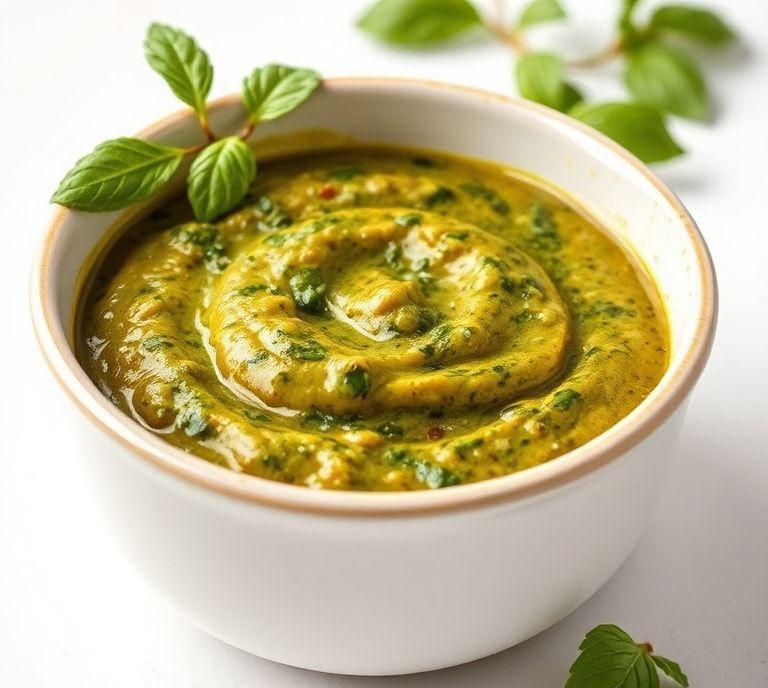
The beauty of pesto is how versatile it is, but at its core, there are a few key elements: fresh herbs, nuts, a rich fat (usually olive oil), and something to provide the savory depth. We’ll be sticking to those roots, but with a slight twist. This vegetarian pesto skips the cheese, but trust me, it doesn’t skimp on flavor.
Ingredients
- 2 cups fresh basil leaves (washed and packed tightly)
- 1/4 cup pine nuts (you can swap with walnuts or cashews if preferred)
- 2-3 cloves garlic (adjust depending on how much you love garlic)
- 1/2 cup extra virgin olive oil (the good stuff, the kind that smells like heaven)
- 1 tablespoon lemon juice (freshly squeezed)
- 1 tablespoon nutritional yeast (this is the vegan secret for that cheesy flavor)
- Salt and pepper to taste
Ingredients Needed
Each of these ingredients plays a specific role, and trust me, you’ll notice if any are missing or substituted incorrectly.
- Fresh Basil: The star of the show. It’s the fragrance that fills the kitchen when you chop it, and it gives pesto that vibrant green color that screams “fresh” and “alive”. Opt for the freshest basil you can find, and don’t be afraid to pack it into your measuring cup. A good pesto needs a good amount of basil to shine.
- Pine Nuts: The mild, buttery flavor of pine nuts adds a depth that’s almost impossible to replicate. If you’re in a pinch, other nuts like walnuts or cashews can stand in, but there’s something about pine nuts that gives pesto its signature texture and richness.
- Garlic: It wouldn’t be pesto without garlic, right? It balances the sweetness of the basil with a sharp bite that brings everything together. I like to use a couple of cloves-enough to notice but not overwhelm. If you’re wary of raw garlic’s potency, feel free to roast it first.
- Extra Virgin Olive Oil: This ingredient isn’t just about adding fat-it’s what carries all the flavors, helping them meld together and creating that silky texture. Make sure to use a high-quality, flavorful olive oil. It makes a huge difference in the final taste.
- Lemon Juice: This is your secret weapon. A little citrus brightens everything up and cuts through the richness of the nuts and olive oil. It’s not so much that you taste lemon, but it’s that zesty freshness that you can’t quite put your finger on.
- Nutritional Yeast: No cheese? No problem. Nutritional yeast is a powerhouse ingredient that imparts a nutty, cheesy flavor without the dairy. It’s perfect for vegan or vegetarian diets, and it adds that savory complexity you might miss in traditional pesto.
- Salt and Pepper: The final touch. Pesto needs salt to bring out the full flavor of the herbs and oil, and pepper adds that little kick at the end. Taste as you go, and don’t be afraid to adjust until it’s just right.
Cooking Instructions
Now, this is where things get easy. No complex techniques here, just a few simple steps to put everything together.
- Toast the Nuts (Optional but Recommended): If you’ve got a little extra time, toast your pine nuts (or whichever nuts you’re using). Heat a dry pan over medium heat and toss the nuts for 3-5 minutes until they’re golden brown and fragrant. This little step deepens the flavor, making them even more aromatic.
- Prepare the Pesto: In a food processor or blender, combine the basil leaves, garlic, pine nuts, and nutritional yeast. Pulse a few times to chop everything up finely. If you don’t have a food processor, a mortar and pestle works wonders-there’s something satisfying about grinding the ingredients by hand, and it gives a rustic touch to the pesto.
- Add the Olive Oil: With the processor running, slowly drizzle in the olive oil. This will help emulsify the pesto, creating that creamy texture we all love. You might need to stop and scrape down the sides a few times to make sure everything is blending evenly.
- Season and Finish: Once you’ve got a smooth consistency, add the lemon juice, salt, and pepper to taste. Give it a final pulse and check the flavor. If it needs more brightness, add a little more lemon. If it’s too thick, a splash of water or more olive oil can help loosen it up.
Ingredient Science Spotlight
Each ingredient in pesto is a powerhouse in its own right, but there’s an interesting science behind why they all work so well together. Let’s break it down:
- Basil: Not only does basil pack a punch in flavor, but it’s also rich in antioxidants, essential oils, and vitamins like A and K. Those oils help carry the flavors, contributing to pesto’s iconic aroma.
- Nuts: Pine nuts are loaded with healthy fats, primarily monounsaturated fats, which help lower cholesterol. They also contain magnesium, a mineral that helps with muscle function and energy production.
- Garlic: Garlic contains allicin, which has been linked to a variety of health benefits, including anti-inflammatory properties and supporting the immune system. Plus, its sulfur compounds give it that sharp, pungent flavor we love.
- Olive Oil: Olive oil, especially extra virgin, is packed with heart-healthy monounsaturated fats and antioxidants. It’s what makes pesto so silky, and those antioxidants play a role in reducing inflammation and supporting overall heart health.
- Nutritional Yeast: This is your plant-based, dairy-free source of B vitamins, especially B12, which is often lacking in vegan diets. It’s also a great source of protein and fiber, making it a stellar addition to this vegetarian pesto.
Expert Tips
- Use a Light Hand with Garlic: Raw garlic can be intense, so start with a small amount and work your way up. You can always add more, but it’s hard to dial it back once it’s in there.
- Make it Ahead: Pesto keeps well in the fridge for a few days, and it actually intensifies in flavor the longer it sits. If you want to make a big batch, this is one of those sauces that tastes even better the next day.
- Get Creative with the Nuts: Pine nuts are traditional, but don’t be afraid to experiment with walnuts, almonds, or cashews. Each nut will bring a different texture and flavor to your pesto.
- Add Greens for Extra Nutrition: If you’re feeling adventurous, throw in a handful of spinach or arugula. It’ll change the flavor a bit but adds extra vitamins and fiber.
Recipe Variations
While this vegetarian pesto is perfect as is, there’s plenty of room for fun variations:
- Avocado Pesto: Add a ripe avocado for a creamy texture that’s still light and fresh. It adds a subtle richness without making the pesto too heavy.
- Sun-Dried Tomato Pesto: Swap in sun-dried tomatoes for some tangy depth. This version is fantastic with pasta or as a sandwich spread.
- Herb Pesto: Experiment with different herbs-parsley, cilantro, or even mint. The pesto will have a different flavor profile depending on the herbs you choose, but it will still be just as vibrant.
Final Words
I hope this recipe sparks your creativity in the kitchen, because pesto is one of those dishes where you can truly make it your own. Whether you’re using it on pasta, spreading it on toast, or even dolloping it on roasted vegetables, it always brings something special to the table. With this vegetarian pesto, you get all the flavors you love without any of the dairy. It’s fresh, it’s vibrant, and it’s an excellent way to embrace plant-based eating without feeling like you’re sacrificing anything.
FAQs
What Ingredients Are Typically Used In A Vegetarian Pesto Sauce?
A vegetarian pesto sauce usually includes fresh basil leaves, garlic, nuts such as pine nuts or walnuts, grated Parmesan cheese (or a vegetarian alternative), extra virgin olive oil, and a pinch of salt and pepper. Some variations may also incorporate lemon juice for added brightness.
Can I Make Vegetarian Pesto Sauce Without Nuts?
Yes, you can make a nut-free vegetarian pesto sauce by substituting nuts with seeds like sunflower seeds or pumpkin seeds, or by using additional cheese and olive oil to maintain the creamy texture. This version still delivers a rich flavor while being suitable for those with nut allergies.
How Should I Store Vegetarian Pesto Sauce To Keep It Fresh?
Vegetarian pesto sauce should be stored in an airtight container in the refrigerator for up to 5-7 days. To help preserve its vibrant green color, you can drizzle a thin layer of olive oil on top before sealing the container. For longer storage, pesto can be frozen in ice cube trays and transferred to a freezer-safe bag for up to 3 months.