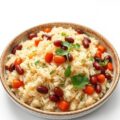
Paella is one of those dishes that seems to carry the weight of history in every bite. When I first tried making it at home, I was intimidated. It seemed like one of those dishes only seasoned chefs could pull off-something too complex for a humble home cook like me. But after trying a vegetarian version, I realized it didn’t have to be that way at all. The dish is all about layers of flavor, and there’s something magical about how the rice soaks up all the goodness from the broth, spices, and veggies.
So, if you’re craving something flavorful, vibrant, and just the right amount of comforting, this vegetarian paella is a great way to start. It’s packed with earthy flavors, fresh vegetables, and a little bit of saffron magic. Plus, it’s surprisingly simple to pull off. No need for a fancy paella pan or a complex recipe. You can do it in any large skillet, and you’ll be amazed at how easily it all comes together.
Easy Paella Vegetarian Recipe
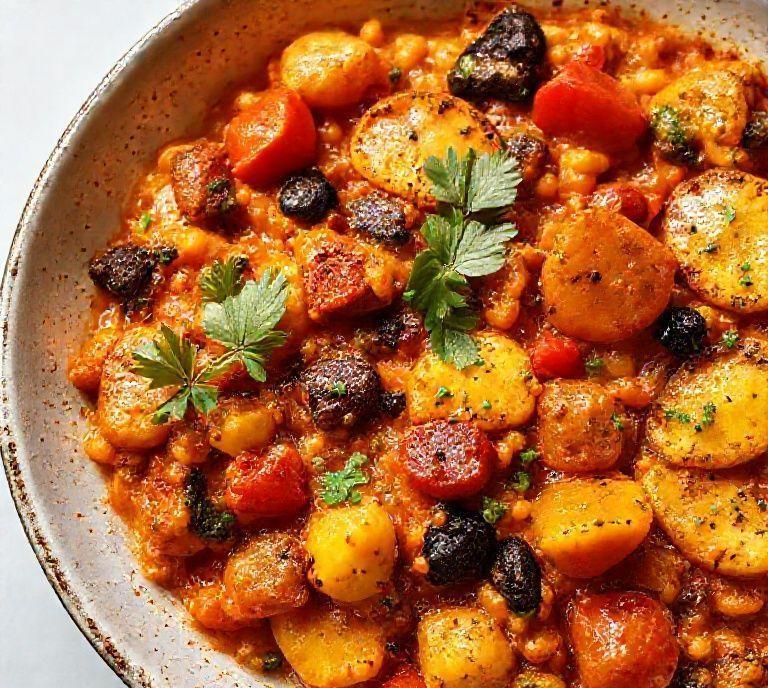
The beauty of this recipe is how easily you can make it your own. There’s room for creativity, so even if you don’t have every single ingredient, you can still get pretty close. But for the true essence of paella, we’re sticking to some traditional components while swapping out the seafood and meat for a fresh, vibrant medley of vegetables. If you’ve never tried paella before, this vegetarian version is a fantastic introduction-it’s comforting, colorful, and packed with bold flavors that make it feel like a celebration of Spanish cuisine.
Ingredients Needed
Let’s talk about what you’ll need. First, you’ll want some hearty vegetables that can stand up to the cooking process and absorb all that flavor-think bell peppers, artichokes, and tomatoes. A generous handful of green beans adds a nice crunch. The classic base of garlic, onion, and olive oil creates a savory start, and saffron gives the dish its signature golden color and delicate fragrance.
Here’s a simple rundown:
- Olive oil – For sautéing and that rich, fruity flavor.
- Onion – Adds depth and sweetness to the base.
- Garlic – For that aromatic punch.
- Bell peppers – Red, yellow, and orange are the most traditional, bringing a sweet, smoky flavor.
- Tomatoes – Fresh or canned, you want them to break down and create a rich sauce.
- Green beans – To add texture and freshness.
- Artichokes – They can be a little tricky to handle, but pre-cut frozen artichoke hearts work wonders.
- Vegetable broth – This is the foundation of your flavor. Choose one with a deep, rich flavor to complement the saffron.
- Saffron threads – They’re not cheap, but worth every penny. They infuse the dish with an unmistakable fragrance and color.
- Paprika – A touch of smoked paprika adds complexity.
- Salt and pepper – To taste, of course.
- Lemon wedges – For a bright, citrusy zing when serving.
Cooking Instructions
Now, for the fun part. The process might seem like a lot, but it’s actually very straightforward. Here’s how to put it all together:
- Prep your veggies: Start by chopping your onion and garlic. Slice your bell peppers into strips and dice the tomatoes. If you’re using fresh artichokes, give them a good cleaning, but I often go with frozen hearts for ease.
- Sauté the base: Heat up a large skillet or pan over medium heat and add a generous drizzle of olive oil. Once it’s hot, toss in the onions and garlic. Cook them until soft and fragrant-about 3-4 minutes. You want that sweetness to start developing.
- Add your peppers: Once the onions are soft, toss in the bell peppers and sauté for another 5 minutes until they start to soften and caramelize just a bit.
- Tomatoes and spices: Add your tomatoes, smoked paprika, and a pinch of saffron (or more if you’re feeling fancy). Let everything simmer for a good 5-10 minutes. The tomatoes should break down, and the saffron will give the dish that stunning golden hue.
- Add your broth: Pour in the vegetable broth and bring everything to a simmer. You’re looking for a nice, flavorful base here, so give it a taste and adjust the seasoning as needed. Bring the broth to a boil, then reduce the heat and let it simmer for another 10 minutes.
- Add the rice: Stir in the rice and make sure it’s evenly distributed. Spread it out in an even layer and let it simmer uncovered for 15-20 minutes. Don’t stir it too much-that’s a classic paella no-no. You want the rice to absorb the liquid and develop that nice, crispy bottom layer (called socarrat).
- Finish with veggies: Toss in the green beans and artichokes, and let everything simmer until the rice is tender, and the veggies are cooked through. If the rice isn’t fully cooked but the liquid is gone, just add a splash more broth and cover the pan to steam it.
- Serve it up: Once the rice is tender and the dish is bubbling with flavor, take it off the heat. Let it rest for about 5 minutes. When you’re ready to serve, top with fresh lemon wedges and enjoy.
Ingredient Science Spotlight
One of the things I’ve come to love about paella is how each ingredient contributes its own character to the dish. Let’s focus on two key players: saffron and rice.
- Saffron: This spice is the real hero in many Spanish dishes, and it deserves the spotlight here. Saffron threads, when steeped in warm broth, release their distinct aroma and vibrant color. This is why paella gets its characteristic golden hue. But there’s more to it than just looks-saffron adds a depth of flavor that’s subtle but unmistakable. Some describe it as slightly sweet and floral, while others catch a hint of honey or hay. It’s the kind of spice that brings everything together without overwhelming your palate.
- Rice: Paella uses short-grain rice, often Bomba or Calasparra, which can absorb a lot of liquid without becoming mushy. This makes it perfect for dishes like paella, where you need the rice to soak up all the broth but still remain separate and tender. The grains stay intact, and their subtle flavor absorbs all the wonderful saffron, paprika, and vegetable juices.
Expert Tips
- Don’t stir the rice: This is one of the most important tips for a perfect paella. Once you add the rice to the broth, don’t stir it. Stirring will release the starch and make the rice sticky. You want each grain to stay separate and absorb the liquid evenly.
- Create the crispy bottom (socarrat): If you’re after that famous crispy rice bottom, increase the heat for the last few minutes of cooking and let the rice cook undisturbed. You’ll hear a crackling sound when it starts to form that crunchy layer at the bottom.
- Let it rest: Paella benefits from a little resting time once it’s done. Letting it sit off the heat for 5-10 minutes helps the flavors meld together and allows the rice to finish cooking in the residual heat.
- Go easy on the broth: Start with less broth than you think you need. You can always add more as you go. The key is for the rice to absorb all the liquid, so you don’t want too much floating around.
Recipe Variations
The beauty of paella lies in its versatility. Here are a few ways you can make this vegetarian version your own:
- Add beans: If you want some extra protein, throw in a can of white beans, chickpeas, or even some edamame. They’ll blend right in and add a nice textural contrast.
- Swap out vegetables: Paella is great for using whatever vegetables are in season. Zucchini, peas, spinach, or even butternut squash would work beautifully.
- Herbs: A sprinkle of fresh parsley or basil can give a fresh burst of flavor right before serving.
- Spicy kick: If you like heat, add a chopped fresh chili or a pinch of cayenne pepper. It adds an unexpected twist without overshadowing the dish.
Final Words
This vegetarian paella is more than just a meal-it’s an experience. It’s about the joy of watching simple ingredients transform into something comforting, flavorful, and undeniably satisfying. It’s a dish you can enjoy on a quiet Sunday evening or serve at a gathering, knowing that everyone will be wowed by the vibrant flavors and the gorgeous golden color.
FAQs
What Are The Key Ingredients For A Vegetarian Paella?
The key ingredients for a vegetarian paella include rice (preferably short-grain like Arborio or Bomba), vegetable broth, olive oil, garlic, onions, bell peppers, tomatoes, green beans, peas, artichokes, and saffron. You can also add a variety of vegetables such as mushrooms, zucchini, and peas. For extra flavor, you can include smoked paprika, lemon, and fresh parsley.
Can I Make Paella Without Saffron?
Yes, you can make paella without saffron. While saffron adds a unique flavor and color to the dish, it is not strictly necessary. You can substitute saffron with turmeric for color or use smoked paprika for a smoky, earthy flavor. However, saffron remains traditional in many authentic paella recipes.
How Do I Cook The Rice Perfectly In A Vegetarian Paella?
To cook the rice perfectly in a vegetarian paella, use the right type of rice, like Bomba or Arborio, as these varieties absorb liquid well without becoming mushy. Cook the rice over medium heat, ensuring it’s evenly distributed in the pan. Add enough vegetable broth to cover the rice, but avoid stirring it once the liquid is added to preserve the traditional socarrat (crispy rice at the bottom). Allow the rice to simmer without stirring for 15-20 minutes, then let it rest for 5-10 minutes before serving.