There’s something about a hearty dish that feels like a warm embrace, especially when it’s both flavorful and satisfying. I remember the first time I tried a vegetarian pepper steak-after deciding to try a meatless version of an old favorite. The idea seemed a bit strange at first, to be honest. Could it really capture the same deep, savory essence of the original? But as I took the first bite, I was pleasantly surprised. The flavors were rich, the textures were satisfying, and it honestly felt like a fresh take on something familiar, which made it all the more exciting. Ever since then, it’s been one of those recipes I turn to when I want a quick, healthy, and flavorful meal. And I’m excited to share it with you today.
Vegetarian pepper steak is more than just a dish that replaces meat with plants. It’s an experience-one that reimagines the taste and texture of the original, adding layers of depth and character in ways that surprise even the most dedicated carnivores. It’s the kind of recipe that feels both comforting and refreshing, a balance of familiar and new. And with a few simple ingredients, you can recreate it in your own kitchen.
Vegetarian Pepper Steak Recipe
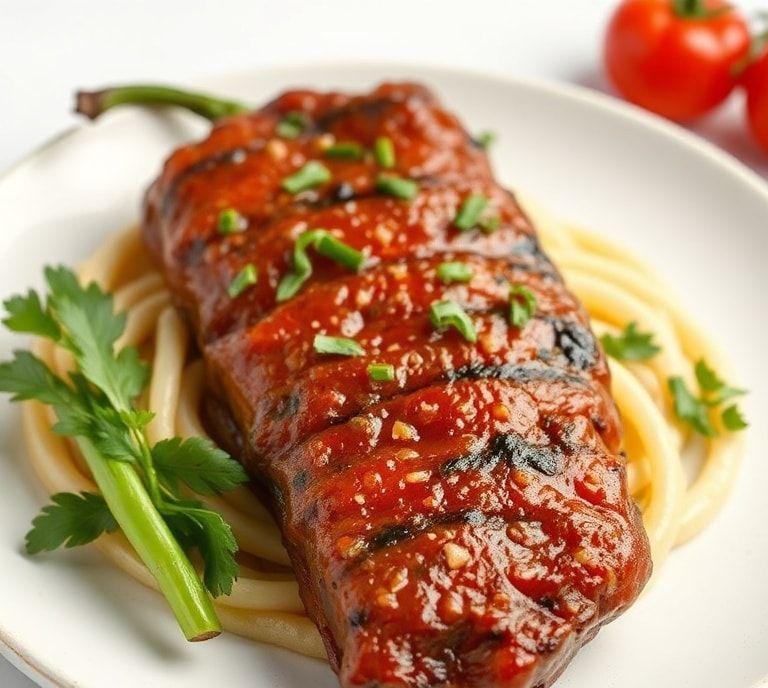
Now, let’s dive into the heart of the matter: the recipe itself. Vegetarian pepper steak is all about getting the perfect blend of tender plant-based protein, a kick of spice, and a savory sauce that coats every bite. What I love about this dish is that it can be customized to your taste-whether you’re into bold flavors, or you want something a little milder. The combination of seitan, tofu, or tempeh as the main protein base provides that meaty texture we all crave, without any of the guilt. And the vegetables? They bring that fresh crunch, balanced with the rich umami of soy sauce and the fragrant heat of black pepper.
Ingredients Needed
Let’s take a look at what you’ll need. Nothing too complicated, just a few key ingredients that are easy to find at any grocery store (or your local farmer’s market if you’re feeling fancy).
For The Base
- Seitan or Tempeh: You could also use tofu, but I personally love seitan for its texture-it’s hearty, chewy, and really takes on the flavors of the dish. Tempeh is great, too, for those who want something a little nuttier.
- Bell Peppers: A variety of colors is always fun, but green bell peppers will provide that classic peppery flavor.
- Onions: Yellow or red onions work best here. Their sweetness balances out the heat and savory elements.
- Garlic: Fresh garlic, of course. It adds that aromatic base to everything.
- Vegetable Broth: This will help create a nice sauce to coat everything in.
For The Sauce
- Soy Sauce or Tamari: For the salty depth and savory goodness.
- Black Pepper: This is what brings the ’pepper steak’ vibe to life.
- Cornstarch: Just a little to thicken the sauce and give it that velvety texture.
- Rice Vinegar: For a touch of tang and balance.
- Brown Sugar: For a slight sweetness to round out the savory profile.
Optional Garnishes
- Sesame Seeds: These add a nice crunch and extra flavor.
- Green Onions: Thinly sliced for a pop of color and freshness.
Cooking Instructions
Now that we’ve got our ingredients together, it’s time to roll up our sleeves and get cooking. You’ll find that this dish is fairly straightforward, but the results are anything but simple. There’s a kind of magic that happens when the flavors meld together in the pan.
Step 1: Prepare The Protein
First, you’ll want to prepare your base protein (seitan, tempeh, or tofu). If you’re using seitan or tempeh, slice it into strips. For tofu, press it for about 15 minutes to remove any excess moisture, then cut it into bite-sized cubes. Once your protein is prepped, heat a little oil in a pan over medium heat. Add the protein to the pan and cook it until it’s crispy on the edges, around 5-7 minutes. Set it aside for later.
Step 2: Sauté The Veggies
In the same pan, add a little more oil if needed and toss in your bell peppers and onions. Sauté them for about 5 minutes, or until they’re tender but still have a little crunch. Throw in the garlic at the end and cook for an additional minute until fragrant.
Step 3: Prepare The Sauce
In a separate bowl, whisk together the soy sauce, black pepper, rice vinegar, brown sugar, and vegetable broth. In a small bowl, mix the cornstarch with a tablespoon of water to make a slurry. Once everything is mixed together, pour the sauce into the pan with the veggies. Bring it to a simmer, and then stir in the cornstarch slurry to thicken the sauce. Continue cooking for another 3-4 minutes, allowing the sauce to coat the veggies and get nice and glossy.
Step 4: Combine Everything
Once the sauce is ready, add the cooked protein back into the pan and toss everything together so the sauce coats the vegetables and protein. Let it cook for another 2-3 minutes to ensure everything is heated through and well combined.
Step 5: Garnish And Serve
Serve your vegetarian pepper steak over a bed of rice or noodles, garnished with sesame seeds and green onions for that extra flair. If you’re feeling bold, you can drizzle a little extra soy sauce or a splash of sriracha for some heat.
Ingredient Science Spotlight
Let’s take a moment to appreciate the science behind some of these ingredients. One of the key elements of vegetarian pepper steak is the umami flavor-often referred to as the “fifth taste”, alongside sweet, salty, sour, and bitter. Soy sauce, which is made through the fermentation of soybeans, is packed with glutamates, which are responsible for that rich, savory taste. When combined with brown sugar, the soy sauce creates a perfect balance of salty and sweet, which is essential for making this dish as delicious as it is.
Then there’s the seitan-sometimes called ’wheat meat’-which is essentially the protein from wheat gluten. The cool thing about seitan is that it’s an incredibly versatile ingredient that can mimic the texture of meat quite closely, especially when cooked to a crispy perfection. If you’ve never tried it before, it’s like sinking your teeth into a satisfying, chewy bite that holds up well in any stir-fry or stew.
Expert Tips
- Don’t Overcrowd the Pan: When cooking your protein, make sure not to overcrowd the pan. If there’s too much stuff in there at once, the seitan or tempeh won’t get that crispy texture you’re looking for. Cook in batches if necessary.
- Customize the Heat: If you like things spicy, add a pinch of crushed red pepper flakes or a splash of sriracha when making the sauce. It’ll give the dish a nice kick without overpowering the other flavors.
- Fresh Herbs: Add fresh cilantro or basil as a garnish to brighten up the dish. It adds a little extra freshness that contrasts beautifully with the savory sauce.
- Make it a Meal: Serve this with steamed jasmine rice, quinoa, or even cauliflower rice for a low-carb option. You can also pair it with a side of sautéed greens like spinach or bok choy.
Recipe Variations
While this recipe is fantastic as is, there’s room for creativity. Here are a few ways you can customize your vegetarian pepper steak:
- Mushroom Lovers: Swap out some of the peppers for mushrooms. They have a great meaty texture and will soak up all the delicious sauce.
- Add Tofu Scramble: For a breakfast twist, toss in a scrambled tofu base for added protein and flavor. It’s like a savory, plant-based version of steak and eggs!
- Noodle Stir-Fry: Serve this dish on top of soba or udon noodles for a hearty stir-fry. The noodles will absorb the sauce and bring an extra layer of satisfaction to the dish.
Final Words
Vegetarian pepper steak is one of those dishes that never feels like a compromise. It’s hearty, flavorful, and totally satisfying-whether you’re a die-hard meat eater or a vegetarian. It’s the kind of recipe that makes you feel like you’re indulging, but without any of the heaviness. Plus, it’s quick enough to make for dinner on a busy weeknight, and yet impressive enough to serve at a dinner party.
FAQs
What Ingredients Are Typically Used In A Vegetarian Pepper Steak Recipe?
A vegetarian pepper steak recipe usually replaces beef with plant-based proteins such as seitan, tofu, or tempeh. Key ingredients include bell peppers, onions, garlic, soy sauce, vegetable broth, black pepper, cornstarch for thickening, and optional flavor enhancers like ginger, hoisin sauce, or chili flakes. Fresh herbs or scallions can be added for garnish.
How Can I Make The Vegetarian Pepper Steak Flavorful Without Using Meat?
To enhance flavor, marinate the plant-based protein in soy sauce, garlic, and a little sesame oil before cooking. Sauté vegetables until caramelized to develop natural sweetness. Adding umami-rich ingredients such as mushrooms, miso paste, or nutritional yeast can also simulate the depth of meat flavor. Finally, balancing savory, sweet, and slightly acidic elements, like rice vinegar or a splash of lime juice, elevates the overall taste.
Can Vegetarian Pepper Steak Be Made Gluten-free?
Yes, vegetarian pepper steak can be made gluten-free by using tamari or coconut aminos instead of regular soy sauce and ensuring that any pre-made plant-based protein like seitan is replaced with a gluten-free alternative such as firm tofu or tempeh. Additionally, use cornstarch or arrowroot powder for thickening instead of flour to maintain the sauce’s texture.