There’s something deeply comforting about a well-crafted breakfast dish. It’s that moment when the aroma of something warm fills the kitchen and the promise of a relaxed morning unfolds. One of my personal favorites that always seems to hit the spot is an egg strata. It’s a dish that has a bit of nostalgia for me. I remember the first time I made it, feeling a bit unsure about how it would turn out but excited because it was so easy to prepare. My family gathered around the table, and from the first bite, it became a staple in our breakfast rotation. What I love about this dish is its versatility-it’s like the canvas for your imagination.
For this version, we’re going to dive into a vegetarian egg strata that’s hearty and satisfying, without being overwhelming. The layers of bread, eggs, cheese, and vegetables meld together in a way that makes each bite a perfect combination of creamy, savory, and a little crispy around the edges. Whether you’re hosting a brunch or looking for a comforting meal to kickstart your day, this egg strata is a winner.
Egg Strata Vegetarian Recipe
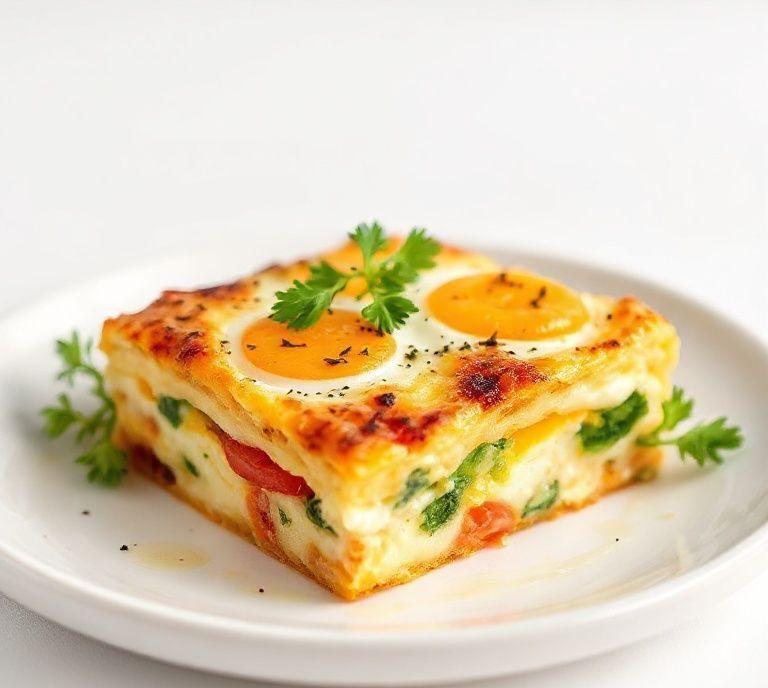
If you’ve never had an egg strata before, imagine a savory bread pudding, with a fluffy texture and a rich flavor profile. This vegetarian egg strata is perfect for any occasion-it’s simple to make, and you can prep it ahead of time, which means less stress on the day you’re serving it. No last-minute scrambling (pun intended!) required.
Ingredients Needed
- 1 loaf of crusty bread (preferably a day or two old; sourdough or challah work great)
- 10 large eggs
- 2 cups whole milk or half-and-half (for a creamier texture)
- 1 cup shredded cheese (cheddar, mozzarella, or a mix)
- 1 tablespoon olive oil or butter
- 1 medium onion, diced
- 1 bell pepper, diced
- 1 cup fresh spinach or kale, roughly chopped
- 2 cloves garlic, minced
- Salt and pepper, to taste
- 1/2 teaspoon dried thyme or fresh herbs if available (rosemary or parsley would also work)
- A pinch of red pepper flakes (optional, for some heat)
- 1/4 cup grated Parmesan cheese (for topping, optional)
Cooking Instructions
- Prepare the bread: Start by cutting your loaf of bread into cubes. You want them to be about 1 to 1.5 inches in size. The drier the bread, the better, as it soaks up all the egg mixture, giving the strata its signature texture. If your bread is fresh, just toast the cubes lightly in the oven for about 10 minutes at 350°F (175°C).
- Sauté the veggies: In a large pan, heat your olive oil (or butter) over medium heat. Add the diced onion and bell pepper, and sauté for about 5 minutes until they soften and become fragrant. Toss in the minced garlic and sauté for another minute or two. Then, add the spinach (or kale), and cook just until it wilts. Season with salt, pepper, and thyme, and then set it aside to cool.
- Make the egg mixture: In a large bowl, whisk together the eggs, milk (or half-and-half), salt, and pepper. Stir in the sautéed vegetables. Add your shredded cheese and mix well, ensuring that the egg mixture is evenly combined.
- Assemble the strata: Grease a 9×13-inch baking dish, then layer the bread cubes in the bottom. Pour the egg mixture evenly over the bread, making sure to press down so the bread soaks up all the liquid. You can cover and refrigerate this overnight (which makes it even better!), or bake it immediately.
- Bake the strata: Preheat your oven to 350°F (175°C). Bake the strata for 45-50 minutes, or until the top is golden and the center is set. If you’re topping with Parmesan, sprinkle it on in the last 5 minutes of baking for that nice, crispy finish.
- Let it rest: Once out of the oven, allow the strata to sit for 5-10 minutes to firm up. Cut into squares and serve.
Ingredient Science Spotlight
The science behind an egg strata is all about balance. The bread acts as a sponge, soaking up the egg custard mixture, while the eggs provide structure and fluffiness. The milk or cream adds richness, creating that custardy texture we love in a good strata. It’s the perfect mix of fat and liquid, allowing everything to meld beautifully together in the oven.
The role of the vegetables, in particular, the spinach or kale, is just as important. Leafy greens not only offer a nutrient boost, but they also release moisture during the baking process, which helps prevent the dish from being too dry. By sautéing the onions and peppers beforehand, you’re intensifying their flavors, ensuring the strata doesn’t taste bland.
Then, there’s the cheese. It’s not just about flavor-cheese provides moisture and helps bind everything together. It’s also the key to that delicious, golden crust that forms on top. Whether you go for sharp cheddar or mozzarella, the melting cheese elevates the strata into a comforting, cohesive whole.
Expert Tips
- Use day-old bread: Fresh bread doesn’t soak up the egg mixture as well. Day-old bread, or even slightly stale bread, is perfect for this dish. It creates a much better texture.
- Let it sit overnight: If you have time, let the assembled strata sit in the fridge overnight. This gives the bread cubes more time to soak up the egg mixture, making for a fluffier, more cohesive dish. It’s a time-saver and a flavor-enhancer all in one.
- Add some spice: If you like a little heat, consider adding a pinch of red pepper flakes or even a dash of hot sauce to the egg mixture. It’s a simple way to bring an unexpected depth of flavor.
- Try different cheeses: Experiment with different types of cheese based on your preference. Gruyère, gouda, or even a sharp blue cheese could change the flavor profile of the dish and bring something exciting to the table.
Recipe Variations
- Mushroom Lovers’ Strata: Replace the spinach with sautéed mushrooms. Mushrooms add an earthy flavor that complements the richness of the eggs and cheese beautifully. You could even combine spinach and mushrooms for a more complex dish.
- Herb-Infused: If you’re growing fresh herbs, now’s the time to incorporate them. Fresh basil, rosemary, or thyme can make the dish taste incredibly fresh and fragrant.
- Meat Lovers’ Strata: If you’re not keeping it strictly vegetarian, try adding some cooked bacon, sausage, or ham. Just make sure to drain excess grease before adding it to the egg mixture to avoid sogginess.
- Mediterranean Twist: Swap the spinach for sun-dried tomatoes and Kalamata olives, and use feta cheese instead of cheddar. The tangy feta and salty olives create a Mediterranean-inspired strata that’s perfect for brunch.
Final Words
This vegetarian egg strata isn’t just a meal-it’s an experience. There’s something about the way the eggs and bread meld together that makes it more than just a breakfast dish. It feels like home. You can make it ahead of time, tweak it based on what you have on hand, and it’s always bound to impress.
The combination of creamy eggs, toasted bread, and whatever veggies you decide to throw in is just perfect. It’s a recipe you’ll find yourself coming back to, tweaking it here and there, making it your own.
FAQs
What Is An Egg Strata Vegetarian Recipe?
An egg strata vegetarian recipe is a savory casserole dish made with layers of bread, eggs, cheese, and a variety of vegetables. It’s a versatile dish often enjoyed for breakfast, brunch, or as a dinner option. The recipe is similar to a quiche but without a crust. Vegetables such as spinach, mushrooms, peppers, and onions are commonly used, but the ingredients can be adjusted based on personal preferences or seasonal produce.
Can I Make An Egg Strata Vegetarian Recipe Ahead Of Time?
Yes, you can prepare an egg strata vegetarian recipe ahead of time. In fact, it often benefits from being made the night before. Once assembled, cover the dish and refrigerate it overnight to allow the flavors to meld. In the morning, simply bake it until it’s set and golden. This make-ahead feature makes it an excellent option for busy mornings or gatherings.
Can I Substitute Any Ingredients In The Egg Strata Vegetarian Recipe?
Yes, many ingredients can be substituted in an egg strata vegetarian recipe to suit dietary preferences or availability. For example, you can use dairy-free milk and cheese for a vegan version, or swap the bread for a gluten-free alternative. You can also experiment with different vegetables, such as zucchini, tomatoes, or broccoli, depending on your taste and what’s in season. Be sure to adjust cooking times based on the substitutions made.