There’s something incredibly satisfying about learning how to make a staple sauce from scratch, especially when it comes to a rich, versatile one like Chinese Brown Sauce. When you taste it made fresh, you’ll realize just how much it elevates a dish, turning it from something basic into a flavorful masterpiece. Chinese Brown Sauce is one of those unsung heroes of the kitchen-often used in stir-fries, noodles, or even as a dipping sauce, it brings everything together with a perfect balance of savory and sweet.
Now, for those of us who prefer to keep things plant-based, there’s a way to enjoy this sauce without sacrificing flavor or authenticity. I’ve been experimenting with a vegetarian version for years, and it never fails to impress. It’s amazing how something so simple can add so much depth to a meal. Plus, this homemade version allows you to control the ingredients and flavors exactly how you like them.
So, whether you’re a seasoned cook or just starting out, this recipe is a great one to have in your arsenal. It’s quick, easy, and incredibly customizable. Let’s dive right in.
Chinese Brown Sauce Vegetarian Recipe
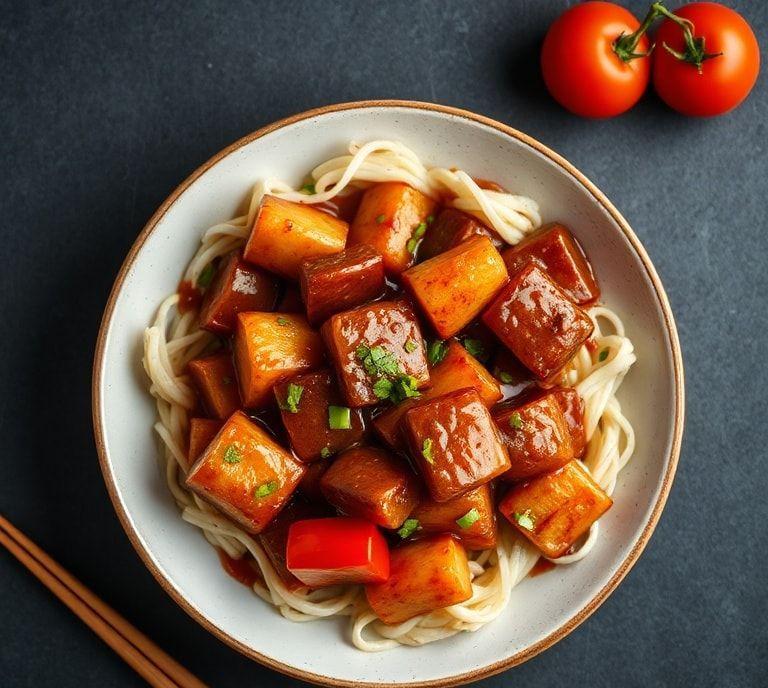
This vegetarian Chinese Brown Sauce recipe isn’t just a substitution; it’s a full-fledged alternative that stands on its own. Full of umami, with a touch of sweetness and just the right amount of depth, it’s perfect for pairing with tofu, vegetables, or any plant-based protein. No meat necessary, but you won’t miss it!
Ingredients Needed
Before we get into the actual cooking, let’s take a look at the ingredients you’ll need. Most of them are pantry staples, so you might already have them on hand. Here’s what you’ll need:
- Soy sauce (or tamari for a gluten-free version) – This is the base for your sauce. The salty, savory depth of soy sauce is crucial for that authentic umami flavor.
- Vegetable broth – For the liquid base. It adds some lightness without overwhelming the flavor profile.
- Brown sugar – Just a bit of sweetness is essential to balance out the saltiness of the soy sauce and broth. It also helps create that rich, slightly caramelized undertone that makes Chinese Brown Sauce so irresistible.
- Rice vinegar – This adds a slight tanginess to cut through the richness of the sauce. It’s not meant to be overpowering, just a subtle balance.
- Cornstarch – This is the secret to achieving that glossy, thick texture you associate with good brown sauce. It helps to create that syrupy consistency that coats your food beautifully.
- Garlic – A little bit of minced garlic for a bit of sharpness and depth.
- Ginger – Fresh ginger adds warmth and an earthy, aromatic spice that’s classic in Chinese cuisine.
- Sesame oil – This brings a subtle, nutty aroma that adds a layer of complexity to the sauce.
- Shaoxing wine (optional) – If you want to go for a more authentic, complex flavor, a splash of this Chinese cooking wine adds an amazing depth. But, if you don’t have any, you can substitute with dry sherry.
Cooking Instructions
- Prepare your ingredients: Mince the garlic and ginger finely to make sure they release all their flavors into the sauce. In a small bowl, combine the soy sauce, vegetable broth, brown sugar, and rice vinegar. Stir until the sugar is dissolved. This is your base mixture.
- Make the sauce base: In a saucepan, heat a small amount of sesame oil over medium heat. Add the minced garlic and ginger and sauté for a minute or two, until fragrant. Be careful not to burn them; they can get bitter if overcooked.
- Combine and simmer: Pour the soy sauce mixture into the pan with the garlic and ginger. Stir everything together and bring it to a gentle simmer over medium-low heat. Let it cook for about 5 minutes, allowing the flavors to meld and the sauce to reduce slightly.
- Thicken the sauce: In a separate small bowl, mix the cornstarch with a little water to create a slurry. Slowly pour the slurry into the simmering sauce while stirring constantly. This will thicken the sauce. Keep stirring until it reaches your desired consistency. You want it to coat the back of a spoon, but still be pourable.
- Taste and adjust: This is where you get to have some fun. Taste the sauce and adjust the flavors. Want more sweetness? Add a touch more sugar. More tang? A splash of rice vinegar. If you have Shaoxing wine, add a little bit now for that extra depth. If you like it saltier, a little more soy sauce will do the trick.
- Serve: Once your sauce has thickened to perfection, remove it from the heat and use it right away over your favorite stir-fry, noodles, or even as a dipping sauce.
Ingredient Science Spotlight
Let’s talk for a moment about how these ingredients come together and why they work so well. Soy sauce is, of course, the backbone of this dish. It’s a fermented product, which means it’s packed with umami-one of the five basic tastes. It’s what makes foods taste savory and satisfying. The addition of brown sugar brings in sweetness, but the brown sugar specifically adds that rich, molasses-like depth, as opposed to the more neutral sweetness of white sugar.
The cornstarch acts as a thickening agent, but it does so in a way that keeps the sauce silky smooth. Without it, the sauce would be too watery and wouldn’t have that rich, luxurious texture we expect. The garlic and ginger are more than just flavorings; they also provide aromatic compounds that make your kitchen smell like heaven. And the sesame oil? It’s the finishing touch that adds a subtle nuttiness that ties everything together.
Expert Tips
- Layering the flavors: It’s important to balance the saltiness of soy sauce with the sweetness of the brown sugar. Don’t be afraid to tweak these measurements to suit your taste.
- Use low-sodium soy sauce: If you’re watching your sodium intake, low-sodium soy sauce is a great option without compromising the flavor too much. You can always add a pinch of salt if needed.
- Infuse the ginger and garlic: If you really want a more intense flavor, try infusing the ginger and garlic in the sesame oil for a few minutes before adding the liquid ingredients. It makes the sauce even more fragrant.
- Adjust thickness to preference: If you like your sauce a little thinner, simply add a bit more broth. If you prefer it thicker, a little extra cornstarch slurry will do the trick.
Recipe Variations
- Add heat: If you like a spicy kick, you can throw in some red pepper flakes or a chopped chili pepper when sautéing the garlic and ginger. It adds a whole new layer of flavor.
- Mushroom version: For a deeper, earthier sauce, add a splash of mushroom soy sauce or even a tablespoon of finely minced shiitake mushrooms when you’re simmering the sauce. This gives it a meaty flavor without any animal products.
- Citrus twist: A squeeze of fresh orange juice or lemon zest can brighten the sauce and add a citrusy zing. This is especially good when serving it with stir-fried vegetables or tofu.
Final Words
Homemade sauces are often far superior to store-bought versions, and the beauty of this Chinese Brown Sauce is its versatility. You can use it to dress up a humble plate of rice, drizzle it over crispy tofu, or toss it with your favorite stir-fried vegetables. It’s one of those kitchen essentials that you’ll keep coming back to. Plus, making your own gives you the freedom to adjust it however you like, ensuring it always hits the mark for your taste buds.
FAQs
What Ingredients Are Typically Used In A Vegetarian Chinese Brown Sauce?
A vegetarian Chinese brown sauce typically includes soy sauce, vegetarian oyster sauce or mushroom sauce, garlic, ginger, sugar, vegetable broth, cornstarch for thickening, and optional rice wine or sesame oil for flavor enhancement. These ingredients combine to create a savory, slightly sweet, and umami-rich sauce suitable for stir-fried vegetables or tofu.
How Can I Make A Thick And Glossy Chinese Brown Sauce For Vegetarian Dishes?
To achieve a thick and glossy brown sauce, first combine the soy sauce, vegetarian oyster or mushroom sauce, sugar, and vegetable broth in a pan. Bring it to a gentle simmer, then mix cornstarch with a small amount of water to create a slurry and slowly stir it into the simmering sauce. Cook for 1-2 minutes until the sauce thickens and becomes glossy. Be careful not to overcook, as this can reduce the shine.
What Are Some Vegetarian Dishes That Pair Well With Chinese Brown Sauce?
Chinese brown sauce pairs well with a variety of vegetarian dishes such as stir-fried broccoli, mushrooms, bell peppers, snow peas, tofu, or seitan. It can also be drizzled over vegetable fried rice or noodles. The sauce’s umami-rich profile enhances the flavor of these ingredients without overpowering their natural taste.