I first encountered mapo tofu in a small, family-run Sichuan restaurant tucked away in an alley during a trip to China years ago. The dish arrived at the table in a steaming, red-orange pool of chili oil, garnished with a swirl of black bean paste, and surrounded by delicate tofu cubes. The first bite hit me like a rush of bold flavors-spicy, savory, and numbing all at once. It was electric, unlike anything I had tasted before. That experience changed how I viewed Chinese cuisine forever, and I became obsessed with recreating that deep, complex flavor profile at home.
But I wanted to make it my own. I didn’t need the pork or beef that traditionally accompany this dish, and so, I started experimenting with plant-based alternatives. After much trial and error (and some pleasantly successful accidents), I finally came up with a version of Mapo Tofu that satisfies all the umami and fiery heat without any meat.
If you’re a fan of bold, complex flavors, you’re in for a treat with this vegetarian mapo tofu recipe. It’s a twist on the classic that’s just as rich, satisfying, and exciting as the original-and maybe even better, depending on how you feel about tofu. In this guide, I’ll walk you through everything you need to know about making this dish, including the science behind the ingredients, some personal tips, and variations to suit your tastes.
Mapo Tofu Vegetarian Recipe
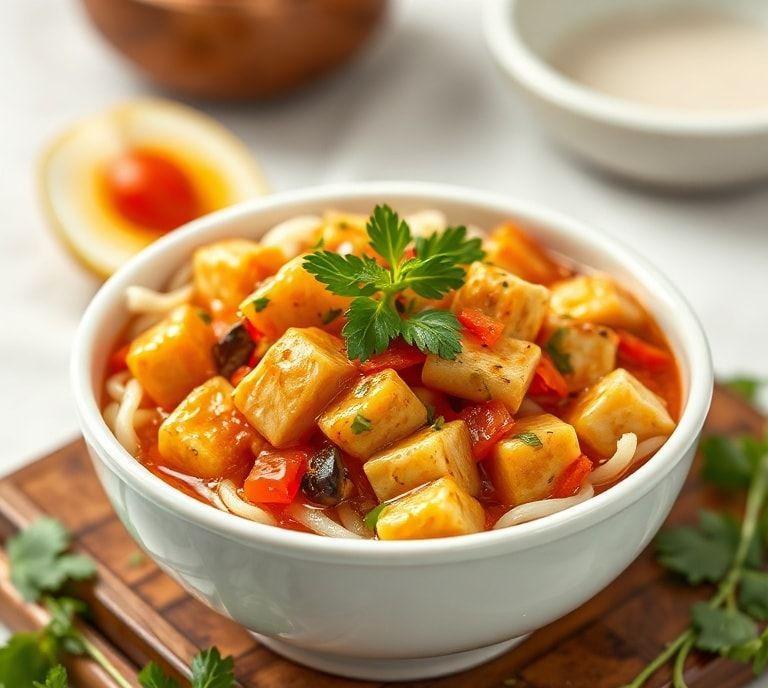
Before we dive into the specifics, let’s talk about why this dish has such a cult following. Mapo Tofu is a quintessential Sichuan comfort food, loved for its balance of heat, savory depth, and the numbing sensation of Sichuan peppercorns. The traditional recipe uses minced pork or beef, but with a little creativity, we can replace it with plant-based protein without compromising the flavor. The key to success lies in the balance of spicy, savory, and earthy flavors, all while keeping it satisfying and filling.
Let’s get started. Here’s my vegetarian version of this beloved dish that will take your taste buds on a journey.
Ingredients Needed
You’ll find that the ingredients are pretty accessible, especially if you have an Asian grocery store nearby. The magic of mapo tofu lies in the sauce-so let’s start there. Here’s what you’ll need:
- Tofu (Silken or Firm): The tofu is the star of the dish, so you want to choose a texture that holds up well to the sauce. Firm tofu is my go-to because it soaks up the sauce while maintaining a chewy texture that contrasts nicely with the silky sauce.
- Vegetarian protein (to replace the pork): This could be crumbled tempeh, textured vegetable protein (TVP), or even finely chopped mushrooms. I’ve used tempeh with great success; it absorbs the sauce beautifully and offers a bit of nutty flavor that enhances the dish.
- Sichuan peppercorns: These are non-negotiable. They give mapo tofu its signature numbing heat. Just a few crushed Sichuan peppercorns go a long way in creating that tingly sensation on your lips.
- Chili paste (Doubanjiang): This fermented bean paste, typically made with soybeans and chilies, adds both heat and depth. It’s a must-have for that authentic mapo tofu flavor.
- Garlic and ginger: Essential aromatics. The garlic adds punch, while the ginger contributes warmth and freshness to the dish.
- Shaoxing wine: A splash of Chinese cooking wine adds a subtle, complex flavor to the dish. If you can’t find it, dry sherry makes a decent substitute.
- Soy sauce: Use light soy sauce for seasoning and a bit of saltiness.
- Cornstarch (optional): To thicken the sauce if needed. It also helps the sauce cling better to the tofu.
- Green onions: These are for garnish and give a fresh, sharp contrast to the rich, spicy flavors.
- Vegetable oil: For stir-frying the ingredients and creating the base for the sauce.
Cooking Instructions
Making vegetarian mapo tofu is a process of layering flavors, so let’s break it down:
- Prepare your tofu: Start by draining the tofu and pressing it to remove excess water. This helps the tofu absorb the sauce better. If you’re using firm tofu, cut it into 1-inch cubes. For silken tofu, you’ll want to handle it more delicately to keep the texture intact.
- Toast the Sichuan peppercorns: In a dry skillet over medium heat, toast the Sichuan peppercorns for about 1-2 minutes, just until they become fragrant. This releases their oils and intensifies their numbing flavor. Once done, crush them using a mortar and pestle or a spice grinder. Set them aside.
- Cook the protein: Heat a little oil in a large skillet or wok over medium-high heat. Add your vegetarian protein (tempeh, mushrooms, or TVP) and cook until it’s browned and crispy on the edges. This should take about 5-7 minutes. Set it aside.
- Aromatics and sauce base: In the same skillet, add another tablespoon of oil. Throw in the chopped garlic, ginger, and chili paste. Stir-fry for 1-2 minutes until fragrant, but be careful not to burn the garlic. Then, add in the Shaoxing wine (or dry sherry) and soy sauce. Let it bubble and reduce slightly.
- Add the tofu and protein: Now, add the tofu cubes to the skillet along with the cooked protein. Gently stir to coat the tofu in the sauce. Add in the crushed Sichuan peppercorns and a pinch of sugar to balance out the heat.
- Simmer and thicken: Pour in about a cup of vegetable broth (or water) to help create the sauce. Let everything simmer for 5-7 minutes to let the flavors meld. If you want a thicker sauce, dissolve a teaspoon of cornstarch in a tablespoon of water and add it to the pan. Stir gently until the sauce thickens.
- Final touches: Taste the sauce and adjust with more soy sauce, chili paste, or sugar as needed. Garnish with sliced green onions for a fresh kick.
- Serve: Serve the mapo tofu hot with steamed white rice and enjoy.
Ingredient Science Spotlight
One of the things I love most about mapo tofu is how each ingredient plays a crucial role in creating the dish’s signature flavor profile. Let’s take a closer look at a few key ingredients:
- Sichuan Peppercorns: These aren’t actually peppercorns in the traditional sense but are the dried husks of the prickly ash tree. When you bite into them, they release a chemical called hydroxy-alpha-sanshool, which stimulates the nerve endings in your mouth, creating that distinctive numbing sensation. This is called mala-a perfect balance of ’ma’ (numbing) and ’la’ (spicy).
- Doubanjiang (Chili Paste): This fermented paste is the heart of the dish. It’s made with broad beans, soybeans, and chili peppers. The fermentation process adds complexity to the flavor, giving it a deep umami quality that balances the heat.
- Tofu: While tofu’s neutral flavor might seem boring, it’s a great base for soaking up strong sauces like the one in mapo tofu. The texture of tofu, especially firm tofu, is what makes it such an ideal vessel for all the rich, spicy flavors.
Expert Tips
- Press your tofu: The more water you press out of your tofu, the more flavor it will absorb. If you can, let it press for at least 20 minutes. For an extra crispy texture, you can pan-fry the tofu before adding it to the sauce.
- Adjust the spice level: If you’re not a fan of intense heat, dial down the chili paste or use a mild chili paste. Conversely, if you love spice, add extra chili oil or chili flakes.
- Make it ahead: Like most stews, mapo tofu tastes even better the next day. The flavors meld together, and the tofu soaks up more of the sauce. If you’re making it ahead, just reheat it gently.
Recipe Variations
- Mushroom mapo tofu: Use finely chopped shiitake mushrooms in place of the vegetarian protein for a deep, umami-packed flavor. This is a great option if you’re going for a truly plant-based experience.
- Add veggies: Try adding chopped bok choy, spinach, or bell peppers for a veggie-packed twist. It adds color and extra nutrients without compromising the dish’s flavor.
- Mapo tofu with noodles: For a heartier meal, serve your mapo tofu over a bed of noodles instead of rice. You could use ramen, udon, or even soba noodles.
Final Words
Creating a vegetarian mapo tofu is a rewarding experience that doesn’t ask you to compromise on flavor. By carefully choosing ingredients like fermented chili paste, Sichuan peppercorns, and tofu, you’re able to recreate the depth and complexity of the traditional dish, without relying on meat. Plus, it’s versatile enough to make your own, whether you like it extra spicy, packed with vegetables, or served over noodles.
FAQs
Can I Make Traditional Mapo Tofu Without Meat?
Yes, traditional mapo tofu can be adapted into a vegetarian version by replacing ground pork or beef with plant-based alternatives such as crumbled firm tofu, textured vegetable protein (TVP), mushrooms, or a combination of finely chopped vegetables. These substitutes absorb the flavors of the sauce while maintaining the dish’s signature texture.
What Ingredients Give Vegetarian Mapo Tofu Its Authentic Flavor?
The key to authentic flavor in vegetarian mapo tofu lies in the sauce and seasonings. Use fermented bean paste (doubanjiang), soy sauce, garlic, ginger, Sichuan peppercorns, chili oil, and a touch of sugar. Incorporating mushrooms or miso paste can add umami depth, compensating for the absence of meat.
How Can I Achieve The Traditional Spicy And Numbing Taste In Vegetarian Mapo Tofu?
To achieve the signature spicy and numbing taste, combine Sichuan peppercorn powder with chili bean paste or chili oil. Adjust the amount according to your heat preference. Toasting the peppercorns before grinding enhances the numbing effect. Finishing with a drizzle of sesame oil and scallions will also contribute to the authentic flavor profile.