Imagine a bustling kitchen on a quiet weekend afternoon. The sun is streaming through the window, casting a warm, golden glow across the countertop. You’re there, standing with a steaming pot of rice in front of you, about to make something simple, but comforting-a dish that feels like home. Rice balls, or "onigiri" as they’re called in Japan, are more than just a snack. They’re a bit of nostalgia, a reminder of how food can carry memories, of times spent with family or friends, or of quiet moments where food itself becomes a way to slow down and savor life.
If you’ve ever had the pleasure of biting into a warm rice ball, you know how satisfying that simple combination of seasoned rice, filling, and seaweed can be. But what if you want to switch it up a bit? What if you want to make it vegetarian, to capture all the flavors without meat? That’s exactly what we’re going to do in this recipe. This vegetarian rice ball isn’t just for vegetarians; it’s for anyone who wants to try something new, fresh, and delicious. It’s simple, customizable, and surprisingly filling. Plus, it’s one of those dishes that feels as satisfying to make as it is to eat.
Vegetarian Rice Ball Recipe
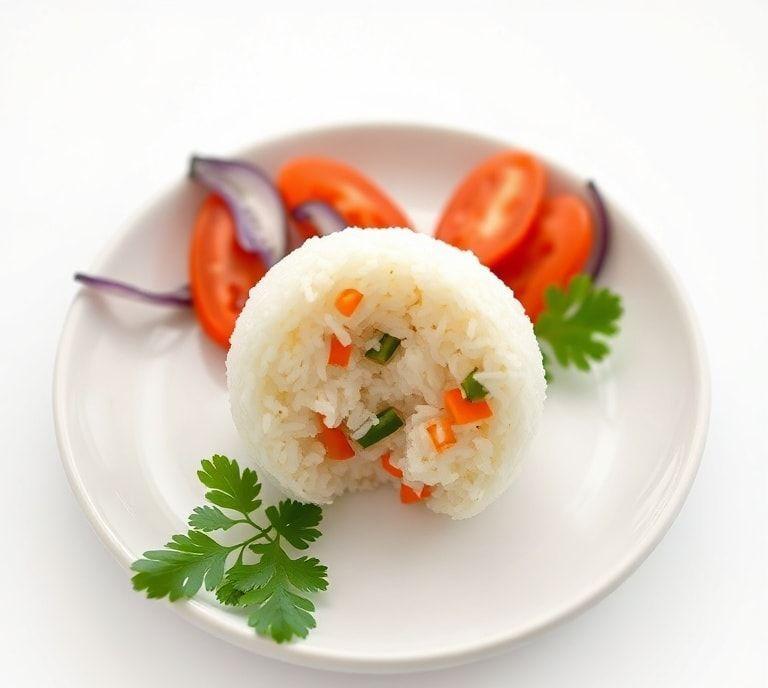
A vegetarian rice ball can be the perfect balance of taste, texture, and convenience. It’s portable, making it a fantastic lunch or snack, and it doesn’t take long to whip up. There’s something inherently calming about shaping rice with your hands, pressing the grains together with a little care. You’re not just making food-you’re creating something that feels intentional.
The beauty of vegetarian rice balls is their versatility. While the classic Japanese filling is often a savory, umami-rich one (think pickled plums, salted salmon, or tuna), a vegetarian version opens up a world of flavors. We’re going to use ingredients that give the rice ball a satisfying, hearty bite, while still keeping it light and fresh.
Ingredients Needed
Here’s what you’ll need for this vegetarian rice ball recipe:
- 2 cups of sushi rice – This sticky, short-grain rice is key to getting that signature rice ball texture. You could use regular rice, but sushi rice gives it the perfect stickiness that holds the ball together.
- 2 ½ cups of water – To cook the rice.
- 1 tablespoon of rice vinegar – To season the rice with a bit of tang. It’s a subtle flavor but essential.
- 1 teaspoon of salt – Just to bring everything together.
- 1 tablespoon of sesame oil – Adds richness and a slight nuttiness that complements the rice.
- 1 small cucumber – Thinly sliced for crunch and freshness. You want something that will contrast the softness of the rice, and cucumber does that wonderfully.
- 1 medium avocado – Mashed, for creaminess. Avocado adds a velvety texture that balances the crunch from the cucumber.
- Pickled ginger or pickled radish – For a touch of acidity and a bit of sharpness to offset the richness of the avocado.
- 2-3 sheets of nori (seaweed) – For wrapping. You can find nori at most grocery stores, and it gives a briny flavor that works beautifully with the rice and vegetables.
- Sesame seeds – Optional, but they add an extra layer of texture and a little nutty flavor to finish things off.
Cooking Instructions
- Rinse the rice: Start by rinsing the sushi rice in a fine mesh sieve under cold water. This removes excess starch, which will help the rice cook up sticky and perfect for shaping. Rinse until the water runs clear-this can take a couple of minutes.
- Cook the rice: Once rinsed, add the rice and water to a pot. Bring it to a boil over medium-high heat, then lower the heat, cover, and let it simmer for about 15 minutes. Once done, turn off the heat and let the rice sit covered for an additional 10 minutes to steam.
- Season the rice: Transfer the cooked rice to a large bowl. In a small dish, mix the rice vinegar, salt, and sesame oil. Drizzle it over the rice and gently fold it in. Be careful not to mash the rice; you want it to stay tender and slightly sticky.
- Prepare the fillings: While the rice cools slightly, prepare the fillings. Slice the cucumber thinly, mash the avocado, and if you’re using pickled ginger or radish, chop it into small pieces. You can also toast some sesame seeds in a dry pan for a minute or so to bring out their flavor.
- Shape the rice balls: Once the rice is cool enough to handle (but still warm), it’s time to shape. Wet your hands lightly to prevent the rice from sticking, and take a handful of rice. Flatten it slightly in the palm of your hand, add a spoonful of cucumber and avocado in the center, then close the rice around it and mold into a ball or triangle shape. Repeat until all the rice is used.
- Wrap with nori: Finally, cut the nori into strips and wrap each rice ball. If you prefer, you can also serve them without the nori, but the contrast in texture is delightful.
- Serve: Enjoy immediately while the rice is still warm, or pack them up for later!
Ingredient Science Spotlight
Let’s dive into a little science behind a few key ingredients that make this dish pop.
- Sushi rice: This short-grain rice is unique because it has a high starch content, which makes it sticky when cooked. This stickiness is crucial for keeping the rice ball intact. The rice’s starch content is also responsible for the texture-soft, chewy, and satisfying.
- Avocado: Avocados are packed with monounsaturated fats, which make them smooth and creamy. They also provide a rich source of vitamin E, potassium, and antioxidants. The healthy fats in avocado help to balance the overall flavor profile of the rice ball, creating a creaminess that complements the crunchy cucumber and pickled ginger.
- Nori (seaweed): Nori is more than just a wrapper-it’s an excellent source of iodine, an essential mineral for thyroid function. It also contains vitamins A and C and is a great source of protein for a plant-based diet. That briny, umami flavor adds the perfect salty kick to the rice ball.
Expert Tips
- Don’t overpack the rice: It’s tempting to fill the rice balls with lots of ingredients, but if you pack them too tightly, they can fall apart. Keep the fillings modest so that the rice can shine.
- Use warm rice: When you shape your rice balls, make sure the rice is still warm. Cold rice doesn’t hold its shape as well and tends to be less sticky. You want that slight warmth to help the rice form into the perfect ball.
- Keep the nori separate: If you’re not serving the rice balls immediately, keep the nori separate to prevent it from becoming soggy. Wrap the nori just before you’re ready to eat.
- Experiment with fillings: The beauty of this dish is its flexibility. Try adding things like sautéed mushrooms, shredded carrots, or even a drizzle of soy sauce for extra flavor. The possibilities are endless!
Recipe Variations
- Spicy Tofu Rice Balls: Swap the avocado for crumbled spicy tofu. Marinate the tofu in a mix of soy sauce, sesame oil, and chili paste before cooking for a little extra heat.
- Roasted Vegetables: Roast some sweet potato, bell peppers, or eggplant with a little olive oil, salt, and pepper. Dice them up and use them as a filling for a hearty, veggie-packed rice ball.
- Curry Rice Balls: Add a little curry powder to the rice for an extra burst of flavor. Pair it with a tangy yogurt dressing or chutney for an Indian-inspired twist.
Final Words
These vegetarian rice balls are the perfect balance of fresh, savory, and satisfying. They offer a lot of flexibility, whether you’re looking for a quick snack, a lunch to go, or a dish to share with friends. And don’t forget how much fun it is to make them-there’s something truly meditative about shaping the rice, and you can get creative with the fillings.
FAQs
What Ingredients Are Needed For A Vegetarian Rice Ball Recipe?
To make a vegetarian rice ball, you will typically need cooked rice, nori (seaweed), sesame seeds, and a variety of vegetables like cucumbers, carrots, and avocados. You can also add pickled plum (umeboshi) or a simple soy sauce for extra flavor. Optionally, you can use some spices like ginger or garlic, and a touch of sesame oil for enhanced taste.
How Do I Shape Rice Balls To Make Them Neat And Appealing?
To shape rice balls, wet your hands lightly with water to prevent sticking, and then take a small amount of cooked rice in your hands. Gently press and mold the rice into a round or triangular shape, ensuring it’s compact enough to hold together. You can place a small filling like a slice of avocado or pickled plum in the center for added flavor. Be sure not to overpack the rice, as this can make them too dense and hard.
Can I Make Vegetarian Rice Balls In Advance And Store Them?
Yes, you can make vegetarian rice balls in advance. To store them, wrap each rice ball in a piece of plastic wrap or store them in an airtight container. Keep them in the refrigerator for up to a day. If you plan to keep them longer, you can freeze them, though it’s recommended to eat them within a few weeks. Before serving, you may want to let them come to room temperature or gently warm them up to maintain their texture.