
Thai cuisine holds a special place in my heart. There’s something about the way it balances bold flavors-spicy, sweet, salty, sour-that can completely transform a meal into an experience. I’ve spent countless evenings, both in Thailand and at home, perfecting the balance of these flavors. As someone who enjoys both vegetarian and non-vegetarian dishes, I’ve always loved how Thai food can be both vibrant and nourishing, offering a variety of textures and tastes that leave you craving more. One dish that stands out, especially when I’m looking for something light yet full of flavor, is a Thai basil stir-fry.
Thai basil stir-fry is a go-to vegetarian dish for me-it’s easy to prepare, satisfying, and wonderfully fragrant. If you’ve never cooked with Thai basil before, you’re in for a treat. It’s slightly spicier and has a more intense flavor compared to the sweet basil we’re all familiar with. The combination of fresh herbs, chili, garlic, and a variety of vegetables or plant-based proteins makes this dish an all-around winner.
In this recipe, I’ll walk you through the steps of creating a simple yet satisfying Thai Basil Vegetarian Stir-fry. If you’re a fan of Thai food or just looking for a flavorful vegetarian dish, this one’s definitely worth adding to your weekly rotation. So, let’s get started!
Thai Basil Vegetarian Recipe
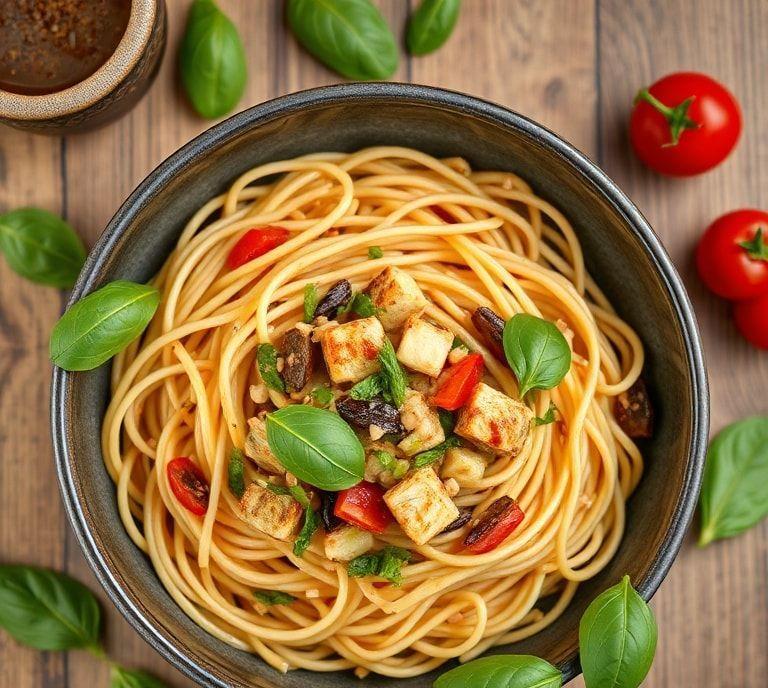
This Thai Basil Vegetarian Stir-fry is perfect for those days when you want something quick, flavorful, and healthy. It brings together the freshness of vegetables and herbs with the savory umami of soy sauce and other seasonings, all wrapped up in a fiery kick of chili. And it’s not just the flavor-it’s the texture that makes this dish stand out. You get crispy, stir-fried tofu or tempeh (or even your choice of protein), crunchy vegetables, and the bold, aromatic burst of Thai basil. It’s simple, satisfying, and packed with flavors that make you want to eat it again and again.
Ingredients Needed
Here’s what you’ll need to bring this dish to life. Don’t worry, most of these ingredients are readily available in any well-stocked grocery store or an Asian market. If you’re new to some of these ingredients, think of them as your passport to authentic Thai flavors:
- Tofu or Tempeh (about 14 oz): These are your protein sources, with tofu offering a creamy texture and tempeh a more earthy flavor. Choose whichever fits your preference, though tempeh adds a bit more depth to the dish.
- Thai Basil (1 cup): A must-have! Thai basil has a distinctive flavor-peppery, anise-like, with a hint of mint. It brings that essential Thai flavor to the dish.
- Bell Pepper (1, thinly sliced): Adds a crunchy texture and a slight sweetness that balances the heat from the chilis.
- Carrot (1 medium, julienned): Another texture element and a pop of color that brightens up the dish.
- Shallots (2, thinly sliced): Shallots have a softer, sweeter flavor than onions and complement the garlic and chili perfectly.
- Garlic (3 cloves, minced): You can’t make a Thai stir-fry without garlic-it’s the heart of the base flavor.
- Thai Bird’s Eye Chilies (2-4, chopped): Adjust to your spice preference. Thai basil stir-fry is supposed to have a nice level of heat, so don’t be shy with these!
- Soy Sauce (2 tablespoons): The savory backbone of the dish.
- Oyster Sauce (2 tablespoons, optional for vegans): This provides a deep umami flavor. You can find vegan oyster sauce at many Asian markets.
- Vegetable Oil (for stir-frying): Essential for getting everything crispy and cooked through.
- Rice (to serve): A bed of fluffy jasmine rice is the perfect complement to this fragrant stir-fry.
Cooking Instructions
- Prepare the Tofu/Tempeh: If you’re using tofu, press out any excess water and cut it into cubes. For tempeh, slice it into thin strips. Heat a bit of oil in a large pan or wok over medium-high heat and cook the tofu or tempeh until it’s golden brown on all sides. This should take about 5-7 minutes. Remove from the pan and set aside.
- Stir-fry the Vegetables: In the same pan, add a little more oil if necessary. Toss in the garlic, shallots, and chilies. Stir-fry for 1-2 minutes until fragrant. Then, add the bell pepper and carrot. Stir-fry for about 3 minutes until the vegetables are just tender but still crisp.
- Add the Sauce and Tofu/Tempeh: Return the tofu or tempeh to the pan, and add the soy sauce and oyster sauce (if using). Stir well to combine everything, allowing the sauce to coat all the ingredients. Continue cooking for another 2-3 minutes, letting the flavors meld.
- Finish with Thai Basil: Once everything is cooked through, turn off the heat and stir in the Thai basil. The residual heat will wilt the basil just enough to release its flavor.
- Serve: Serve your stir-fry over a bowl of fluffy jasmine rice, and enjoy!
Ingredient Science Spotlight
Let’s talk a bit about why this recipe works so well, starting with Thai Basil. This herb is the star of the dish. Unlike regular sweet basil, Thai basil has a spicier, almost peppery flavor, along with hints of clove and anise. It’s also rich in antioxidants, essential oils, and vitamins A and C. This makes it not just a flavor powerhouse but also a health booster. The aroma that fills your kitchen as the basil wilts in the pan is something you won’t soon forget.
Now, tofu-while it might seem a bit plain, it absorbs the flavors around it beautifully. The crispy golden edges bring a satisfying crunch to the dish, while the creamy interior soaks up the savory sauce like a sponge. Whether you’re a seasoned tofu fan or a newcomer, I guarantee you’ll appreciate how it transforms in this stir-fry.
Lastly, let’s not forget chili peppers. They’re not just for heat. They contain capsaicin, which not only gives you that spicy kick but also boosts metabolism, reduces pain, and is even linked to heart health. Plus, those bird’s eye chilies provide a unique sharpness that’s just essential for this dish.
Expert Tips
- Press Your Tofu: If you’re using tofu, pressing it before cooking is key to getting that crispy texture. I know, it sounds like a small detail, but trust me, it makes all the difference. The more water you press out, the crispier it will get.
- Customize the Heat: Not all chilis are created equal. Thai bird’s eye chilies pack a punch, but if you’re not a fan of too much heat, start with just one and taste as you go. You can always add more!
- Don’t Skip the Basil: If you don’t have access to Thai basil, you can substitute with regular basil, but the flavor won’t be quite the same. The uniqueness of Thai basil is irreplaceable, so I’d suggest seeking it out at your local Asian market.
- Control the Salt: Both soy sauce and oyster sauce (if used) can be quite salty, so be mindful of how much you add. You can always taste and adjust later. For a lighter touch, you can use low-sodium soy sauce.
Recipe Variations
While the classic Thai basil stir-fry is already a masterpiece, here are some ideas to mix it up:
- Protein Variations: Instead of tofu or tempeh, try adding seitan, mock chicken, or even chickpeas for a different protein source. Seitan, with its chewy texture, works especially well in this stir-fry.
- Veggies Galore: You can use any combination of vegetables you love-zucchini, snap peas, mushrooms, or baby corn would all be delicious here.
- Add Some Heat: If you love spice, add a few extra bird’s eye chilis or even a spoonful of chili paste or sriracha to bring the heat to the next level.
Final Words
This Thai Basil Vegetarian Stir-fry is simple, quick, and bursting with flavor. Whether you’re a long-time lover of Thai food or just discovering its beauty, this recipe will easily become a favorite in your kitchen. The balance of fresh ingredients, aromatic herbs, and savory sauce is something I find both comforting and exciting, every time.
FAQs
What Are The Essential Ingredients For A Thai Basil Vegetarian Recipe?
A typical Thai basil vegetarian recipe requires fresh Thai basil leaves, a mix of colorful vegetables such as bell peppers, carrots, and broccoli, tofu or tempeh as a protein source, garlic, onions, and chili for flavor, along with sauces like soy sauce, vegetarian oyster sauce, and a touch of sugar. Optional ingredients include lime juice and vegetable broth for added depth of flavor.
How Can I Make A Thai Basil Vegetarian Dish More Flavorful Without Using Meat?
To enhance the flavor of a Thai basil vegetarian dish, use umami-rich ingredients like soy sauce, mushroom-based vegetarian oyster sauce, and fermented bean paste. Toasting garlic and chili before adding vegetables helps release aroma and depth. Fresh Thai basil should be added at the end of cooking to preserve its aroma, and a squeeze of lime or a sprinkle of crushed peanuts can provide additional texture and taste complexity.
Can I Prepare A Thai Basil Vegetarian Recipe Ahead Of Time?
While Thai basil dishes are best served fresh due to the delicate flavor of the basil leaves, you can prepare the vegetables and protein in advance and store them separately in the refrigerator for up to two days. Cooked dishes can be reheated gently, but fresh basil should be added right before serving to maintain its aroma and bright flavor.