
Chinese New Year is one of those holidays that stirs up the most beautiful, nostalgic memories. It’s a time when families come together, laughter fills the air, and the smell of delicious food wafts through the house. Growing up, Chinese New Year meant more than just firecrackers and red lanterns-it was about the food. For me, it was the heart of the celebration. There’s a special kind of joy that comes from a table full of carefully prepared dishes, each one packed with meaning, history, and flavor.
Now, as much as I love a good plate of dumplings or sticky rice, I’ve come to appreciate the versatility and depth of vegetarian Chinese New Year dishes. Not only do they honor the spirit of the holiday, but they also bring in a fresh, vibrant twist that I never get tired of. One of my favorites is a vegetarian stir-fry with crispy tofu, vegetables, and a savory sauce-a dish that balances health and flavor, while still making me feel like I’m savoring the holiday in the most delicious way possible. It’s my go-to when I want to celebrate without feeling weighed down, both figuratively and literally.
So, let’s dive into a Chinese New Year vegetarian recipe that is simple, flavorful, and full of the essence of this beloved celebration.
Chinese New Year Vegetarian Recipe: Crispy Tofu Stir-Fry With Vegetables
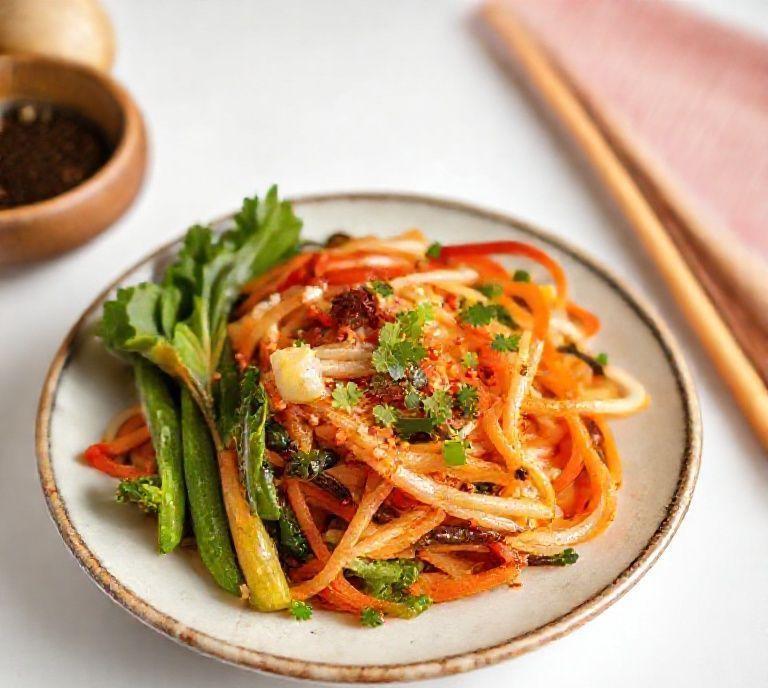
This stir-fry is the perfect balance of textures-crispy tofu, tender vegetables, and a rich, savory sauce. It’s quick enough for a weeknight dinner but celebratory enough for a special occasion like Chinese New Year. Plus, it’s fully plant-based, so it can be enjoyed by vegetarians and anyone looking for a lighter option during the holiday.
Ingredients Needed
You’ll need to gather a few key ingredients for this stir-fry. They’re simple, but each one plays an important role in the dish’s flavor profile.
- Firm tofu: This will be the base of our dish, providing a hearty and satisfying texture. Firm tofu holds up well in stir-fries, absorbing the sauce without falling apart.
- Sesame oil: A little sesame oil goes a long way in adding that deep, nutty flavor that makes this dish stand out. Don’t skip it!
- Vegetables: For this dish, we’re using a colorful mix of bell peppers, snap peas, carrots, and baby corn. These vegetables not only bring a pop of color to your plate but also a variety of textures that complement the tofu perfectly.
- Ginger and garlic: These are the aromatics that lay the flavor foundation for the stir-fry. Ginger brings a warmth that elevates the dish, while garlic adds that unmistakable depth.
- Soy sauce: Essential for that savory umami flavor, soy sauce forms the base of our stir-fry sauce.
- Oyster sauce (vegetarian version): You can find vegetarian oyster sauce made from mushrooms or other plant-based ingredients, and it gives a deep, earthy flavor.
- Cornstarch: Used to coat the tofu before frying to make it crispy.
- Green onions: For garnish and a fresh, sharp bite that cuts through the richness of the dish.
Cooking Instructions
- Prepare the tofu: Start by pressing the tofu to remove excess moisture. This is key for achieving a crispy texture. After pressing, cut the tofu into cubes. Toss the cubes in a little cornstarch, ensuring each piece is coated lightly. The cornstarch will give the tofu that delightful crunch when fried.
- Fry the tofu: Heat a generous amount of sesame oil in a pan over medium-high heat. Once hot, add the tofu and fry until each side is golden and crispy, about 3-4 minutes per side. Once done, remove the tofu and set it aside.
- Cook the vegetables: In the same pan, add a bit more sesame oil if needed, and sauté the garlic and ginger until fragrant-about 1 minute. Add your vegetables, starting with the ones that take the longest to cook (like carrots) and ending with the quicker ones (like snap peas). Stir-fry them for about 5-7 minutes, until they’re tender but still crisp.
- Combine tofu and vegetables: Once the vegetables are cooked, return the tofu to the pan. Stir everything together.
- Make the sauce: In a small bowl, mix the soy sauce, vegetarian oyster sauce, and a little bit of water. Pour this sauce over the tofu and vegetables, tossing to coat everything evenly. Let it simmer for another 2 minutes, allowing the sauce to thicken and coat the tofu and vegetables.
- Serve: Garnish with green onions, and serve hot with steamed rice or noodles.
Ingredient Science Spotlight: Tofu
Tofu is often a mystery to those who don’t cook with it regularly, but understanding its science can unlock the secrets to a perfect dish. Tofu, made from soybeans, is a great source of plant-based protein. It comes in various textures (silken, soft, firm, extra-firm) depending on its water content and the way it’s pressed.
When it comes to stir-fries, firm tofu is the best option because it has a higher protein content and a denser, less watery texture. This allows it to hold up when frying, absorbing flavors from the sauce while maintaining its structural integrity. The magic happens when you press the tofu to remove moisture-it creates air pockets inside the blocks, which crisp up beautifully when fried. This is why cornstarch is such an important ingredient; it creates an extra layer that promotes crispiness without burning the tofu.
Expert Tips
- Press your tofu: It might seem like a small step, but pressing your tofu for at least 15 minutes will make a huge difference in texture. A tofu press can make this step easier, but you can also use a heavy object, like a cast-iron skillet, to press the tofu.
- Fry in batches: Don’t overcrowd the pan when frying the tofu. Doing so will trap moisture, resulting in soggy tofu. Fry the tofu in batches to ensure it crisps up perfectly.
- Customizable sauce: Adjust the balance of soy sauce and vegetarian oyster sauce depending on your taste preferences. If you like it sweeter, add a little sugar or maple syrup. For a spicier kick, throw in some chili flakes or sriracha.
- Use a wok: If you have one, a wok is perfect for stir-frying because its shape allows for high-heat cooking and even tossing of ingredients.
Recipe Variations
The beauty of stir-fries is their flexibility. You can swap out or add ingredients based on what you have on hand or your personal preferences. Here are a few variations to try:
- Add more protein: If you’re craving more protein, add some edamame or tempeh to the dish.
- Spicy version: For a spicy stir-fry, include some sliced red chilies or a spoonful of chili paste in your sauce.
- Other vegetables: You can experiment with mushrooms (shiitake, oyster, or button) for an earthy flavor, or swap out the baby corn for bok choy or cabbage for a slightly different crunch.
Final Words
Chinese New Year is a time for celebration, reflection, and, of course, delicious food. Whether you’re preparing for a family feast or cooking just for yourself, a dish like this crispy tofu stir-fry brings the holiday’s warmth and joy to life. It’s simple, versatile, and packed with the flavors and colors that make Chinese New Year food so special.
FAQs
What Are Some Traditional Chinese New Year Vegetarian Dishes?
Traditional Chinese New Year vegetarian dishes often symbolize prosperity, luck, and longevity. Popular options include Buddha’s Delight (a medley of vegetables, tofu, and mushrooms), stir-fried greens such as bok choy or Chinese broccoli, vegetarian dumplings, and longevity noodles made from wheat or rice noodles. Each dish is chosen not only for flavor but also for its symbolic meaning, such as wealth, health, and happiness for the coming year.
How Can I Make Vegetarian Dumplings For Chinese New Year?
Vegetarian dumplings can be made using a variety of fillings, such as finely chopped cabbage, mushrooms, carrots, tofu, and glass noodles, seasoned with soy sauce, sesame oil, and ginger. To prepare, wrap the filling in dumpling wrappers and seal the edges carefully. Dumplings can be boiled, steamed, or pan-fried. They are traditionally eaten during Chinese New Year as they symbolize wealth, with their shape resembling ancient Chinese gold ingots.
Are There Any Tips For Making Chinese New Year Vegetarian Recipes Healthier?
Yes, you can make these recipes healthier by using minimal oil and opting for steaming or boiling instead of deep-frying. Choose fresh, seasonal vegetables and whole grains, such as brown rice or whole wheat noodles. Incorporate plant-based proteins like tofu, tempeh, or edamame to increase nutritional value. Additionally, using low-sodium soy sauce and limiting sugar in sauces can help maintain the traditional flavors while making the dishes lighter and more health-conscious.