There’s something about the idea of merging two completely different culinary traditions that gets me every time. It’s like mixing two different worlds in one bite, and when those worlds complement each other perfectly, it’s nothing short of magic. Enter: Thai Pizza.
I first stumbled upon this idea during a lazy Sunday afternoon when I was craving both pizza and something with a bit of spice and zing. The thought of throwing together the savory, cheesy goodness of pizza with the bold, aromatic flavors of Thai food sparked something in my brain. I was initially skeptical-could these two things really work together? But once I tried it, the results were beyond what I expected. The marriage of fresh vegetables, spicy peanut sauce, and melted cheese turned out to be exactly what I didn’t know I needed. The tangy crunch of Thai-inspired toppings on a crispy crust was the ultimate fusion dish.
I’ve made this vegetarian Thai pizza more times than I can count, and each time, it’s been a hit. It’s simple, customizable, and definitely something to impress a group of friends or satisfy your own cravings. If you’re looking for a pizza that offers something a little out of the ordinary, keep reading-this recipe might just become your new favorite.
Thai Pizza Vegetarian Recipe
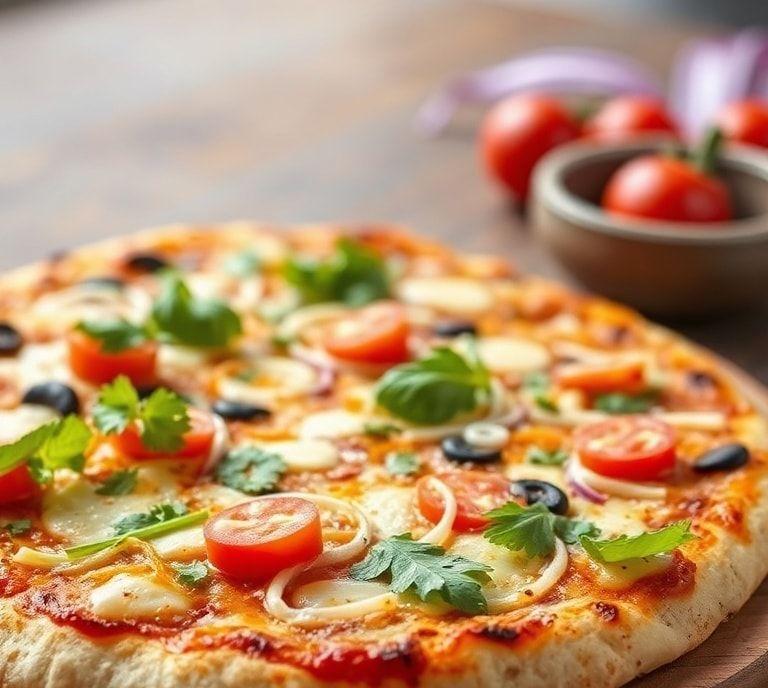
This recipe combines the richness of pizza with the vibrant, fresh, and spicy elements of Thai cuisine. Instead of your usual pizza sauce, you’ll be using a creamy peanut sauce as the base, giving the pizza an unmistakable Thai flair. Pile it high with fresh vegetables and aromatic herbs, and you’ll be transported straight to Thailand in one bite.
Ingredients Needed
Here’s a breakdown of everything you’ll need to make this delicious Thai pizza:
- Pizza Dough (store-bought or homemade): You can use your favorite dough, but the thinner and crispier, the better.
- Peanut Sauce: The star of the show. I suggest using a good quality store-bought peanut sauce or making your own by mixing peanut butter, soy sauce, lime juice, and a touch of brown sugar.
- Shredded Mozzarella Cheese: Traditional pizza cheese that melts beautifully and complements the flavors without overpowering the peanut sauce.
- Shredded Carrots: For that crunchy texture and a mild sweetness that works wonders with the salty peanut sauce.
- Red Bell Pepper: Adds a bit of sweetness and a pop of color.
- Red Onion: Thinly sliced for a bit of sharpness and bite.
- Fresh Cilantro: For that fresh, herbaceous finish that ties everything together.
- Crushed Peanuts: A little crunch and added flavor on top.
- Lime wedges: A squeeze of lime at the end gives a fresh and zesty kick.
- Chili Flakes or Fresh Chilies: For those who love spice, this is where you can adjust the heat level to your liking.
Cooking Instructions
- Preheat the oven to 475°F (245°C). If you have a pizza stone, that’s ideal, but a baking sheet works just fine too. Make sure the oven is hot before you pop the pizza in.
- Prepare the pizza dough: If you’re using store-bought dough, stretch it out into your desired shape (round or rectangular). I love a good rustic, imperfect shape because it feels more homemade and less like a restaurant pizza.
- Spread the peanut sauce: Use a spoon or a spatula to spread a thin layer of peanut sauce all over the dough, leaving a little bit of space for the crust.
- Add the cheese: Sprinkle the shredded mozzarella cheese evenly over the sauce. The cheese will melt beautifully and help bind the toppings together.
- Top with vegetables: Layer on your shredded carrots, red bell pepper, and red onion. These vegetables give the pizza that fresh crunch and vibrant color.
- Bake the pizza: Pop the pizza into the oven and bake for about 10-12 minutes, or until the cheese is bubbling and golden, and the edges of the crust are crispy.
- Garnish and serve: Once the pizza comes out, sprinkle fresh cilantro over the top, a handful of crushed peanuts, and a few chili flakes if you like it spicy. Serve it with lime wedges on the side for that final zingy touch.
Ingredient Science Spotlight
You might wonder what makes this combination of ingredients work so well. Let’s break it down a bit.
- Peanut Sauce: Peanuts bring a rich, earthy flavor, while the soy sauce adds umami, and lime juice gives acidity. This trifecta of flavors is incredibly balanced when paired with the mild, gooey mozzarella cheese. The fat from the peanuts also cuts through the richness of the cheese, making it feel less heavy.
- Carrots & Bell Peppers: Vegetables like carrots and bell peppers bring not only crunch and freshness but also a natural sweetness. These vegetables help balance out the savory, salty flavors from the peanut sauce and cheese. Plus, their vibrant colors make the pizza visually striking.
- Cilantro: The herbaceous flavor of cilantro can be polarizing-some people love it, some people don’t. But for those who do, it’s the fresh, green note that cuts through the richness and adds complexity to every bite.
- Lime: The squeeze of lime at the end is essential. The acidity brightens up the entire dish and brings all the flavors together. Without it, the pizza would feel a little too heavy.
Expert Tips
- Don’t skimp on the peanut sauce: The peanut sauce is really the star here. If you can, make your own-it takes minutes, and it really elevates the flavor of the pizza. Just be sure it’s spread evenly so every bite has that creamy richness.
- Add extra vegetables: Don’t be afraid to get creative with your veggie toppings. Thinly sliced mushrooms, bean sprouts, or even zucchini would be excellent additions.
- Watch the baking time: Every oven is different, so keep an eye on your pizza. You want the cheese to be golden and bubbly, but not burnt.
- Go easy on the chili: If you’re not sure how spicy you want it, start with just a few chili flakes and taste. You can always add more after baking, but you can’t take the heat away once it’s in there.
- Make it crispy: For that perfectly crispy crust, brush the edges of the dough with a little olive oil before baking. It adds flavor and helps the crust turn golden and crunchy.
Recipe Variations
- Vegan Version: Swap out the mozzarella for a plant-based cheese, and ensure the peanut sauce is vegan-friendly (no fish sauce or honey). You can also add extra tofu or tempeh for protein.
- Meat Lover’s Thai Pizza: If you prefer a meatier version, you could add some grilled chicken or shrimp on top of the veggies. Both would complement the peanut sauce beautifully.
- Spicy Thai Pizza: For an extra kick, try adding slices of fresh Thai bird chilies, or drizzle some sriracha over the top before serving.
- Thai Curry Pizza: If you’re a fan of curry, you can use a Thai green or red curry paste mixed with coconut milk instead of the peanut sauce for a different take on the flavor.
Final Words
Thai pizza is a perfect example of how food can transcend borders and bring flavors from all over the world into one dish. Whether you’re craving something familiar or looking to try something new, this pizza does it all. It’s comforting, flavorful, and bold, with just the right balance of spicy, sweet, and savory. Plus, it’s incredibly versatile-you can adjust the heat, toppings, and even the dough to suit your taste.
FAQs
What Are The Key Ingredients In A Thai Vegetarian Pizza?
A Thai vegetarian pizza typically includes a thin crust topped with a variety of fresh vegetables such as bell peppers, onions, carrots, and mushrooms. It also features Thai-inspired ingredients like peanut sauce, coconut milk, cilantro, and fresh basil. The pizza is often topped with mozzarella cheese, though some recipes may use a dairy-free alternative.
How Do You Make The Peanut Sauce For A Thai Vegetarian Pizza?
To make the peanut sauce for a Thai vegetarian pizza, combine peanut butter, soy sauce, lime juice, brown sugar, garlic, ginger, and a bit of water or coconut milk to create a smooth and flavorful sauce. The sauce can be adjusted to taste by varying the sweetness or spice level, and it’s typically spread on the pizza crust before adding the toppings.
Can I Make A Thai Vegetarian Pizza Gluten-free?
Yes, you can make a Thai vegetarian pizza gluten-free by using a gluten-free pizza crust. There are many store-bought options available, or you can make your own using gluten-free flour. Additionally, make sure that all other ingredients, such as sauces and toppings, are gluten-free, especially the soy sauce, which can contain gluten unless specified otherwise.