There’s something about the aroma of a simmering pot of ragu that instantly makes a house feel like a home. It’s not just the rich, savory scent that fills the air, but the warmth of the memories tied to every simmering minute. I’ve made countless variations of ragu in my life, each one unique, but each equally comforting in its own way. Ragu, whether vegetarian or with meat, carries the same heartwarming essence-slow-cooked, layered flavors that seem to weave themselves into the fabric of a good day.
When I first decided to try a vegetarian version, I wasn’t sure if it would carry the same soul-stirring depth as a traditional meat-based ragu. But after experimenting with different plant-based ingredients, I quickly learned that vegetables, lentils, and mushrooms could bring a richness of flavor and texture that rivals any meat sauce. It’s a beautiful reminder that you don’t need meat to make something feel hearty and satisfying.
So, if you’re looking for a recipe that’s full of warmth, nourishment, and comfort, this vegetarian ragu is it. And if you’re anything like me, you’ll likely find yourself savoring each bite while a sense of nostalgia settles in-a nostalgic reminder that food can truly hold so many memories.
Ragu Vegetarian Recipe
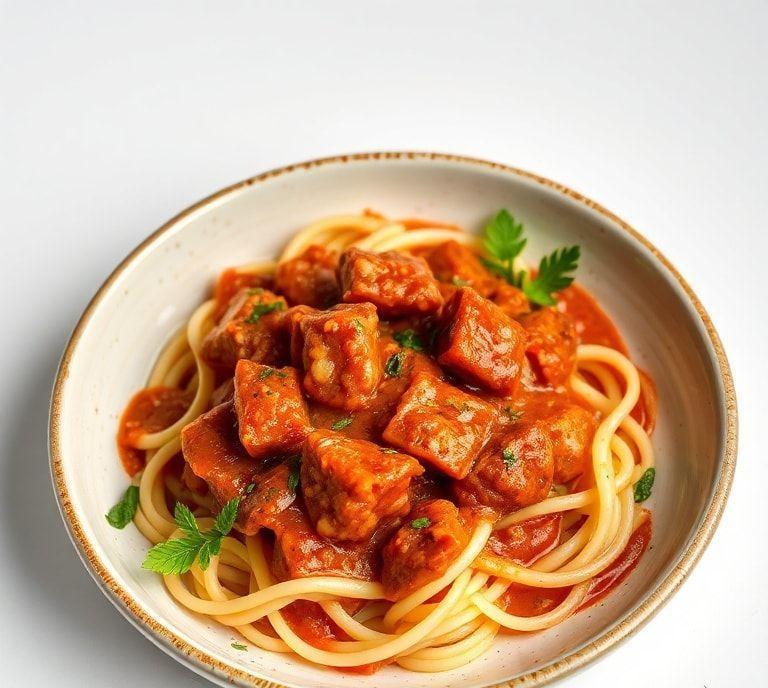
This vegetarian ragu is a dish I love to make on a Sunday afternoon, letting the ingredients meld together in the pot as the day winds down. It’s a perfect dish for meal prep too, since it tastes even better after a day or two in the fridge.
The beauty of this recipe lies in how easy it is to make, despite the depth of flavor you achieve. It’s also incredibly versatile-whether you want to serve it over pasta, polenta, or even roasted vegetables, it works in so many contexts. I’ve served this on rainy days, lazy Sundays, and busy weeknights when I wanted something that was both nourishing and quick to make.
Ingredients Needed
You’ll need a handful of fresh ingredients, most of which you probably already have in your pantry. The key here is using high-quality vegetables and herbs that can carry the sauce to its full potential.
- Olive Oil – A good drizzle to start the base of your sauce. Use extra virgin for the best flavor.
- Onions – One medium onion, finely chopped. It provides a sweet base for your sauce.
- Carrots – Two medium carrots, finely chopped or grated. These add natural sweetness and texture.
- Celery – Two celery stalks, chopped. This adds a mild, aromatic flavor to balance the sweetness of the carrots.
- Garlic – Four cloves, minced. Garlic is essential in any ragu, adding depth and earthiness.
- Mushrooms – 2 cups, roughly chopped. Mushrooms have a meaty texture and bring umami to the table.
- Tomato Paste – Two tablespoons. For that concentrated, sweet-tart tomato flavor.
- Canned Tomatoes – Two 14-ounce cans of crushed tomatoes. These will form the bulk of your sauce.
- Lentils – 1 cup. Lentils cook down and add a hearty, protein-packed element.
- Vegetable Broth – 2 cups. This provides the liquid base needed for the ragu to simmer and come together.
- Bay Leaves – Two leaves. Their subtle floral flavor enhances the overall depth.
- Dried Italian Herbs – 1 tablespoon. A blend of thyme, oregano, basil, and rosemary is a classic combination.
- Salt and Pepper – To taste. You’ll need to adjust this as you go.
- Fresh Basil or Parsley – For garnish. Adds a touch of brightness to finish the dish.
Cooking Instructions
- Start with a base: In a large pot, heat the olive oil over medium heat. Add the onions, carrots, and celery, and cook for about 5-7 minutes until they soften. This is the aromatic base of your sauce, so let the vegetables sweat out their natural sweetness.
- Add garlic and mushrooms: Stir in the garlic and cook for another 2 minutes, letting it release its fragrance. Then add the chopped mushrooms. Mushrooms will release moisture, so let them cook down for 5-8 minutes until they soften and shrink.
- Tomato paste and herbs: Push the mushrooms and vegetables to the side and add the tomato paste to the empty spot in the pan. Let it cook for 1-2 minutes until it darkens slightly and becomes more fragrant. Then, stir in the dried herbs, ensuring they toast gently in the oil.
- Simmer with liquid: Pour in the crushed tomatoes and vegetable broth, and stir everything together. Add the lentils and bay leaves, then bring to a gentle simmer. Reduce the heat to low, cover the pot, and let it cook for about 45 minutes to an hour. Stir occasionally to make sure it doesn’t stick to the bottom, and check the seasoning. Add salt and pepper as needed.
- Finish and serve: Once the sauce has thickened and the lentils are tender, remove the bay leaves and discard them. Garnish with fresh basil or parsley, and serve over your choice of pasta or polenta.
Ingredient Science Spotlight
Let’s talk about mushrooms for a second, because they’re the true star in this vegetarian ragu. They add a rich umami flavor that mimics the depth you’d normally get from meat. Mushrooms contain glutamates, which are natural compounds responsible for that savory, meaty taste. When they cook down in this sauce, they release their water content, which concentrates their flavors, creating a satisfying, hearty texture.
Another key player is lentils. They’re packed with protein, fiber, and minerals, making them a perfect substitute for meat. Unlike beans, which can sometimes overpower a dish, lentils have a subtle, nutty flavor that blends seamlessly with the other ingredients. They also absorb the sauce beautifully, making the whole dish feel more cohesive and filling.
Expert Tips
- Texture tip: If you want your ragu to have more of a meaty texture, try using a combination of finely chopped mushrooms and lentils. The lentils add density, while the mushrooms create a juicy, almost meaty bite.
- Herb enhancement: Fresh herbs will brighten the dish at the end, but don’t skip the dried herbs when cooking-those develop their flavor during the long simmering process. For an extra layer of depth, add a splash of balsamic vinegar towards the end of cooking.
- Make ahead: Ragu is one of those dishes that actually tastes better the next day. If you can, make it a day in advance and let the flavors meld overnight.
- Batch cooking: This recipe makes a generous amount, so consider doubling it. You can freeze portions for later, which is great for busy nights when you don’t want to cook from scratch.
Recipe Variations
- Mushroom-less version: If you’re not a fan of mushrooms, substitute them with eggplant or zucchini for a similar texture.
- Spicy kick: Add a pinch of red pepper flakes or a finely chopped fresh chili when you sauté the vegetables for a bit of heat.
- Lentil swap: You can also use chickpeas or kidney beans instead of lentils if you’re craving a different legume. They’ll give the sauce a heartier bite.
- Different herbs: Experiment with a mix of fresh thyme, rosemary, or even a dash of smoked paprika to switch up the flavor profile.
Final Words
What makes this vegetarian ragu so special is how simple it is to make, yet how complex and satisfying the flavors turn out. It’s a dish that can be customized to your tastes and is perfect for any season. It’s the kind of meal you want to linger over, either alone with a good book or shared with loved ones around the table.
And, to me, that’s the magic of a great ragu-whether it’s vegetarian or traditional-it brings people together and creates moments that linger long after the last bite.
FAQs
What Are The Key Ingredients For A Ragu Vegetarian Recipe?
A basic ragu vegetarian recipe typically includes ingredients like tomatoes (fresh or canned), onions, garlic, carrots, celery, and a variety of herbs such as basil, oregano, and thyme. You can also include plant-based protein sources like lentils, mushrooms, or tofu to mimic the texture of meat traditionally used in a ragu sauce.
How Do You Make A Vegetarian Ragu Sauce From Scratch?
To make a vegetarian ragu sauce, start by sautéing finely chopped onions, garlic, carrots, and celery in olive oil until softened. Add chopped mushrooms (or another plant-based protein) and cook until they release moisture. Then, add crushed tomatoes, tomato paste, vegetable broth, and season with herbs and spices. Simmer the sauce for at least 30 minutes to allow the flavors to develop, stirring occasionally. The sauce can be served with pasta, polenta, or used as a base for other dishes.
Can I Make A Vegan Ragu Using The Vegetarian Ragu Recipe?
Yes, you can easily make the ragu recipe vegan by ensuring all ingredients are plant-based. Replace any non-vegan ingredients, such as butter or cheese, with plant-based alternatives. For example, use olive oil instead of butter and opt for nutritional yeast or vegan cheese if you want a cheesy flavor. Additionally, make sure the vegetable broth and any packaged ingredients like pasta are vegan-friendly.