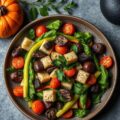
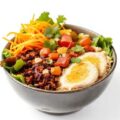
Hotpot-a humble yet vibrant dish that feels like an embrace in a bowl. It’s a meal where everything you need is right there: broth, vegetables, and a medley of ingredients ready to soak in the flavors. Hotpot is often associated with communal dining, where friends and family gather around a bubbling pot, cooking their own ingredients in a rich, aromatic broth. It’s an experience, not just a meal. But what if we made it a little more accessible, with a vegetarian twist? Picture this: fresh vegetables, tofu, and a rich broth simmering away, creating flavors that dance on your tongue with every bite. You don’t need to miss out on the magic just because you’re avoiding meat.
I’ve had countless hotpot nights with friends, the clinking of chopsticks, the laughter, and, of course, the constant replenishing of the broth as we dive into the flavors again and again. But there was always one thing I noticed: the vegetable options were often an afterthought. So, I decided to experiment with a vegetarian hotpot recipe that celebrates the veggies instead of relegating them to the background. This recipe is all about flavor, texture, and making each bite feel like a mini adventure.
Vegetarian Hotpot Recipe

This vegetarian hotpot is an homage to everything fresh and vibrant. It’s a meal that encourages you to get creative with your ingredients, adding what feels right. A steaming pot of broth, a medley of vegetables and tofu, and the joy of dipping and cooking each bite-it’s the perfect way to experience hotpot, without the need for meat.
Ingredients Needed
Creating a vegetarian hotpot doesn’t mean skimping on flavor. Here’s what you’ll need to craft the perfect base and ingredients for your vegetarian hotpot:
-
Vegetarian Broth (Base)
- 4 cups vegetable broth (preferably homemade or a high-quality store-bought version)
- 2 cups water
- 1 tablespoon soy sauce (for umami depth)
- 1 tablespoon miso paste (adds a savory, fermented kick)
- 2 garlic cloves, smashed
- 1-inch piece of ginger, smashed
- 1-2 dried shiitake mushrooms (optional but excellent for deepening flavor)
- A few sprigs of fresh cilantro (adds a fragrant touch)
- 1-2 tablespoons sesame oil (adds a nutty fragrance)
- 1 tablespoon rice vinegar (for balance)
- 1 tablespoon sugar (to round out the broth’s complexity)
- Chili paste (for heat, optional)
-
Vegetables
- 1 cup shiitake mushrooms, sliced
- 1 cup king oyster mushrooms, sliced
- 1 cup baby corn
- 1 cup napa cabbage, chopped into bite-sized pieces
- 1 small zucchini, sliced
- 1 cup tofu (firm or silken, depending on preference), cut into cubes
- 1/2 cup carrots, thinly sliced into rounds
- 1 bunch of bok choy, chopped
- 1 cup lotus root (if you can find it; it adds a nice crunch and visual appeal)
-
Dipping Sauces (Optional But Recommended)
- Soy sauce with chopped garlic and chili oil
- Peanut dipping sauce
- Hoisin sauce
-
Noodles (Optional, But They Make The Meal Heartier)
- 1-2 bundles of glass noodles or udon noodles
Cooking Instructions
-
Prepare The Broth
Start by preparing the base of the hotpot. In a large pot, combine the vegetable broth, water, soy sauce, miso paste, garlic, ginger, and dried mushrooms (if using). Bring the mixture to a gentle simmer and allow it to cook for about 20-30 minutes. The goal is to extract all the deep, savory flavors from the ingredients and infuse the broth. Once you’re happy with the flavor, strain out the garlic, ginger, and dried mushrooms to leave a clean, fragrant broth.
-
Prepare The Ingredients
While the broth is simmering, prep all your vegetables and tofu. Arrange them in small bowls or on platters, so everyone can easily grab their ingredients. This step is where the fun begins-mixing and matching what you add to your pot.
-
Serving The Hotpot
Once your broth is ready, transfer it to a hotpot or a wide, shallow pot that you can place on a portable burner or stovetop at the table. Turn the heat up so the broth is gently bubbling. Then, it’s time to dive in! Start by adding the heartier ingredients first-things like the mushrooms, lotus root, and carrots, which take a bit longer to cook. After a few minutes, you can begin adding tofu and delicate vegetables like the bok choy and zucchini. You want everything to stay tender and fresh without overcooking.
-
Enjoy The Cooking Process
The fun part about hotpot is that each person controls their own cooking. People can pick what they want, dip it into the broth, and cook it right there. The broth will thicken and become even more flavorful as everyone adds their own ingredients, creating a constantly evolving meal.
-
Optional
For a heartier meal, you can also add noodles to the pot. Let them cook in the broth towards the end of the meal for an added layer of satisfaction.
Ingredient Science Spotlight
One of the beautiful things about hotpot is how the ingredients interact with the broth. Vegetables and tofu, for instance, absorb the broth’s rich flavors, and the longer they cook, the more they take on that savory depth.
Take the shiitake mushrooms. These mushrooms are packed with umami, the elusive fifth taste, which gives the broth a savory, almost meaty quality-perfect for a vegetarian hotpot. When you add dried shiitake mushrooms to your broth, they release glutamates, which are naturally occurring compounds that bring out the ’savoriness’ in food. Similarly, tofu soaks up the broth’s flavors, making each bite an experience of pure flavor absorption.
The napa cabbage is another standout. This leafy vegetable, with its mild flavor and crisp texture, is perfect for hotpot because it cooks quickly but still retains some crunch. Its water content helps balance out the rich broth while adding a refreshing contrast to the denser textures of mushrooms and tofu.
Expert Tips
- Keep the Broth Hot: Hotpot is all about the experience of dipping and cooking. If the broth cools down too much, the vegetables won’t cook properly. Keep the broth simmering at a gentle boil for the best results.
- Use Fresh Ingredients: Hotpot relies on the quality of the ingredients, especially the vegetables. The fresher, the better! Fresh mushrooms, crisp greens, and firm tofu will make a huge difference in the end result.
- Don’t Overcrowd the Pot: While it’s tempting to throw everything into the pot at once, it’s best to add ingredients gradually. This ensures that everything gets cooked properly and that you don’t dilute the broth too much all at once.
- Control the Heat: If you like your hotpot spicy, add chili paste to the broth for extra heat. But if you prefer a milder flavor, add chili oil or serve with a chili dipping sauce instead.
Recipe Variations
There are endless ways to tailor your vegetarian hotpot based on what you love or have on hand. Here are a few fun variations:
- Add Some Seaweed: Wakame or nori seaweed adds a touch of ocean flavor that pairs beautifully with the rich broth. It’s also a great source of vitamins and minerals.
- Different Proteins: While tofu is the standard, tempeh or seitan are other great plant-based protein options that bring a different texture to the pot. Tempeh has a nutty flavor and firmer texture that stands up well to the simmering broth.
- Spicy Vegan Broth: For those who like heat, a spicy vegan broth made with gochujang (Korean chili paste) or chili bean paste can elevate the dish to new levels. Add sliced jalapeños and dried chili peppers for a fiery kick.
- Add Noodles: For a filling meal, throw in udon, ramen, or glass noodles at the end to absorb the flavorful broth. It adds heartiness and texture to the dish.
Final Words
Vegetarian hotpot is one of those dishes that feels like it could go on forever, and in the best way. There’s no rush. It’s about savoring each bite, enjoying the process of cooking, and sharing a meal that’s as much about the experience as the food itself. The broth, the vegetables, the tofu-each ingredient comes together to create a complex, comforting bowl of joy.
Whether you’re cooking for family, friends, or even just for yourself, a vegetarian hotpot can bring a fresh, delightful twist to a beloved classic. It’s nourishing in all the right ways-mentally, physically, and emotionally.
FAQs
What Vegetables Are Best For A Vegetarian Hotpot?
A variety of vegetables work well in a vegetarian hotpot. Popular options include mushrooms (shiitake, enoki, oyster), bok choy, napa cabbage, spinach, tofu, carrots, zucchini, sweet potatoes, and baby corn. Leafy greens, root vegetables, and hearty mushrooms provide texture and absorb the flavorful broth, making them ideal choices. You can also experiment with other seasonal vegetables depending on availability.
Can I Make A Vegetarian Hotpot Without A Store-bought Broth?
Yes, you can easily make a vegetarian hotpot without using store-bought broth. A homemade broth can be prepared by simmering ingredients like kombu (dried seaweed), shiitake mushrooms, garlic, ginger, and soy sauce for a rich umami flavor. Adding miso paste or vegetable stock cubes can also enhance the depth of the broth. Customizing the seasoning with ingredients like chili, sesame oil, or herbs will allow you to create a unique flavor profile.
What Dipping Sauces Should I Serve With A Vegetarian Hotpot?
Dipping sauces are essential to enhancing the flavors of a vegetarian hotpot. Popular choices include a sesame-based sauce (made with tahini or sesame paste, soy sauce, and garlic), a spicy chili oil sauce, or a tangy soy-vinegar dipping sauce. You can also offer a peanut sauce or a simple ponzu sauce (citrus-based soy sauce) for added variety. Customizing the dipping sauces with ingredients like scallions, cilantro, or lime juice can further elevate the meal.