Let me start by saying that the world of plant-based snacks has come a long way, and the humble protein bar is one of the shining stars of this revolution. Whether you’re a long-time vegetarian or simply someone looking to incorporate more plant-based foods into your diet, you’ll know the challenge of finding protein-packed snacks that are both satisfying and delicious. It’s easy to walk into a store and find countless options, but the problem is that many of these bars are packed with sugar, artificial flavors, and a list of ingredients that sound more like a chemistry experiment than food.
That’s where making your own comes in. Homemade protein bars can be completely customized to your taste, and they’re often far healthier and more satisfying than anything you’ll find on a store shelf. Plus, the satisfaction of biting into something you made with your own hands? Priceless.
I remember the first time I decided to whip up my own batch. I was working through a long afternoon, feeling a bit sluggish, and craving something to keep me going until dinner. The store-bought bars I had on hand just weren’t cutting it-they were either too sweet or left me feeling hungry again in an hour. So, I ventured into the kitchen, grabbed a few pantry staples, and began experimenting. The result? A batch of homemade vegetarian protein bars that not only tasted amazing but actually kept me full and energized for hours. And that’s what I want to share with you today-how you can make your own protein bars at home, tailored exactly to your taste and dietary preferences.
Vegetarian Protein Bars Recipe
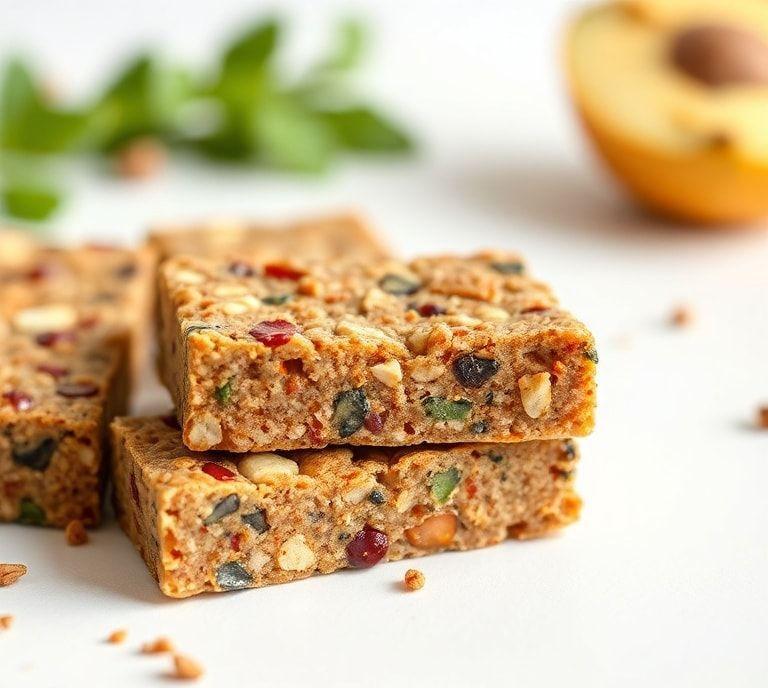
Alright, let’s dive into the good stuff: the recipe. This is my go-to vegetarian protein bar recipe. It’s simple, doesn’t require any fancy equipment, and can be easily adjusted depending on what you have in your pantry.
Ingredients Needed
Here’s the lineup of ingredients you’ll need for these bars. You probably already have most of them on hand.
- 1 cup rolled oats: These are a great base for any protein bar. They add fiber and help with that satisfying, chewy texture. Plus, oats are naturally full of nutrients like magnesium, iron, and B vitamins.
- 1/2 cup plant-based protein powder: I personally like using pea protein or hemp protein, but you can experiment with whatever you have available. If you’re not concerned about protein content, you can even skip this and opt for something like almond meal for a little extra fat and protein.
- 1/2 cup nut butter: Peanut butter, almond butter, or cashew butter all work here. Nut butters are essential for giving the bars that rich, indulgent texture. They also provide healthy fats, which keep you full longer.
- 1/4 cup maple syrup: For sweetness, and a natural one at that. You could also substitute with agave or date syrup, but maple syrup has a distinct flavor that pairs really well with the oats and nut butter.
- 1/4 cup unsweetened applesauce: This adds moisture without any added sugar. Plus, applesauce has a natural sweetness that complements the other ingredients.
- 1/4 cup chia seeds: These are optional, but I highly recommend them. They are packed with omega-3s, fiber, and protein, which contribute to both the texture and nutritional value of the bars.
- 1 tsp vanilla extract: A dash of vanilla really rounds out the flavors and adds a nice aroma.
- A pinch of salt: This enhances all the other flavors and balances the sweetness.
Cooking Instructions
Now that we’ve got everything together, it’s time to bring these ingredients into harmony. This process is incredibly easy-no fancy equipment required.
- Mix the dry ingredients: In a large bowl, combine the oats, protein powder, chia seeds, and salt. Stir to combine everything evenly.
- Combine the wet ingredients: In a separate bowl, mix together the nut butter, maple syrup, applesauce, and vanilla extract. If your nut butter is a little stiff (as it sometimes can be), warm it slightly in the microwave to make it easier to stir.
- Combine everything: Pour the wet mixture into the dry ingredients and stir until it’s all mixed together. You should have a dough-like consistency. If it feels too dry, add a little bit of water, one tablespoon at a time, until it reaches a consistency that holds together well without being too sticky.
- Press the mixture into a pan: Line a baking dish with parchment paper and press the mixture into the dish, spreading it evenly. You can make the bars as thick or thin as you like. I prefer mine to be about 1 inch thick.
- Chill: Pop the dish in the fridge for at least an hour to let the bars firm up. You could also put them in the freezer if you want them to set more quickly.
- Slice and serve: Once chilled, slice the mixture into bars. You can store them in an airtight container in the fridge for up to a week (though they never seem to last that long around here).
Ingredient Science Spotlight
Now, let’s take a moment to dive into the science of why these ingredients work so well together.
- Oats: They’re a fantastic source of complex carbohydrates, which provide slow-releasing energy. The fiber in oats helps keep blood sugar levels stable, so you won’t get the sugar crash that often comes with other snack bars. Plus, they’re rich in beta-glucan, a soluble fiber known for its cholesterol-lowering properties.
- Plant-based protein powder: Protein is the building block of muscle, and getting enough of it is essential whether you’re an athlete or just someone who wants to stay full and energized. Plant-based protein powders provide all the benefits of protein without the dairy or animal-based ingredients. Hemp, pea, and brown rice proteins are especially good for vegetarians and vegans because they offer a complete amino acid profile.
- Nut butter: Nut butters are rich in healthy fats, which not only help with satiety but are also necessary for brain health, hormone production, and the absorption of fat-soluble vitamins. They also add a creamy texture that helps bind the bars together.
- Chia seeds: These tiny seeds are packed with fiber, omega-3 fatty acids, and protein. They absorb liquid and help create that delightful chewy texture, while also giving a nutritional boost. The omega-3s in chia seeds are especially important for brain and heart health.
- Maple syrup and applesauce: While they’re sweeteners, they also provide important vitamins and minerals. Maple syrup contains antioxidants, while applesauce adds a touch of pectin, a fiber that supports digestion.
Expert Tips
- Let the bars set: If you don’t let the bars cool enough in the fridge or freezer, they may fall apart when you try to cut them. Patience here is key-resist the urge to cut them too early!
- Make them your own: Don’t be afraid to adjust the recipe to suit your tastes. Want some extra crunch? Add some chopped nuts or seeds. Craving chocolate? Toss in some dark chocolate chips or cocoa powder. You can even experiment with adding dried fruits like cranberries or raisins.
- Meal prep: These bars make an excellent option for meal prep. Make a large batch, slice them, and store them in the fridge for a week’s worth of snacks. They also freeze well, so if you’re making a double batch, keep half in the freezer to enjoy later.
Recipe Variations
- Chocolate Protein Bars: Add 2 tablespoons of cocoa powder and a handful of dark chocolate chips to the mixture before pressing it into the pan.
- Peanut Butter and Jelly: Spread a thin layer of fruit jam (preferably unsweetened) on top of the bars after they’ve set in the fridge for a fun twist.
- Tropical Protein Bars: Add dried coconut flakes and some chopped dried mango to the mix for a tropical feel.
- Savory Protein Bars: If you’re craving something less sweet, try adding herbs like rosemary or thyme, along with some grated Parmesan (if you’re not vegan) or nutritional yeast for a cheesy flavor.
Final Words
Making your own protein bars might seem like a lot of work at first glance, but trust me-it’s worth the effort. Not only do you get to control what goes into your bars, but you can tailor them to your exact taste and nutritional needs. I promise once you make your own, store-bought versions will never quite measure up.
The best part is that you can get creative with this recipe. Whether you’re looking to add extra protein, cut down on sugar, or just experiment with different flavors, there’s no limit to what you can do. This recipe is just a starting point-the possibilities are endless!
FAQs
What Are The Best Sources Of Protein In Vegetarian Protein Bars?
The best sources of protein in vegetarian protein bars include plant-based ingredients such as pea protein, brown rice protein, hemp protein, and chia seeds. Other options include nut butters (like almond or peanut butter), seeds (such as sunflower or pumpkin seeds), and soy protein isolate. These ingredients provide high-quality, complete protein without the need for animal products.
Can I Make A Vegetarian Protein Bar Recipe Without Using Protein Powder?
Yes, you can make vegetarian protein bars without using protein powder. Instead, you can rely on whole food sources of protein such as nuts, seeds, legumes (like lentils or chickpeas), quinoa, and oats. These ingredients can be blended with natural sweeteners, dried fruits, and a binding agent like almond butter or coconut oil to form the base of your bars.
How Do I Ensure My Vegetarian Protein Bars Have The Right Texture And Consistency?
To achieve the right texture and consistency in vegetarian protein bars, it’s important to balance the dry ingredients (like oats, protein sources, and seeds) with wet ingredients (such as nut butters, maple syrup, or coconut oil). Adding a liquid like almond milk or water helps bind the mixture together. For chewy bars, you may want to slightly underbake them or allow them to cool completely to set. For a crispier texture, you can bake them a bit longer or reduce the amount of wet ingredients.