Indian cuisine is a tapestry of flavors, spices, and traditions, each dish telling a story of its own. One such gem is the dosa – a crispy, savory pancake that has earned its place not just in South India but across the world. The beauty of dosa lies in its simplicity and versatility. While the classic dosa is filled with spiced potatoes and served with coconut chutney, it can easily be made vegetarian or even vegan, depending on your dietary preferences.
I remember the first time I had a vegetarian dosa. I was visiting a friend’s house in Chennai. The aroma of mustard seeds, curry leaves, and freshly ground spices filled the air as I walked into the kitchen. My friend’s mom was standing over a hot griddle, pouring batter onto the pan in perfect circles. The dosa was golden brown and crisp, and I could hardly wait to dig in. Paired with a simple potato filling and some tangy chutney, it was a dish that struck the perfect balance between comfort and flavor.
Now, I’m sharing with you a vegetarian dosa recipe that’s sure to make your kitchen smell just like that Chennai kitchen – warm, inviting, and full of life.
Vegetarian Dosa Recipe
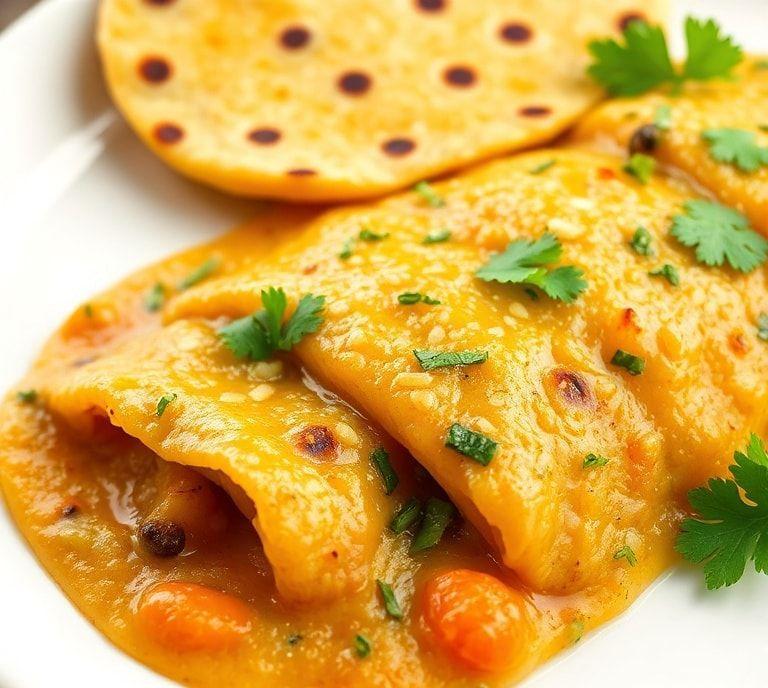
This recipe is designed to bring you a dosa that’s crisp on the outside, soft on the inside, and filled with a spiced potato mixture that sings with the freshness of curry leaves, mustard seeds, and turmeric. The batter for the dosa is made from fermented rice and urad dal (a type of lentil), creating a perfect balance of protein and carbohydrates. For a vegetarian version, we’ll stick to the classic potato filling, but feel free to mix things up with different veggies or even tofu.
Ingredients Needed
For The Dosa Batter
- 1 cup rice (preferably short-grain)
- 1/4 cup urad dal (split black gram)
- 1/4 teaspoon fenugreek seeds (optional, but adds a lovely flavor)
- Water, as needed
- Salt, to taste
For The Potato Filling
- 4 medium-sized potatoes, boiled and mashed
- 1 onion, finely chopped
- 1 green chili, chopped (adjust based on your spice preference)
- 1 teaspoon mustard seeds
- 1 teaspoon cumin seeds
- A few curry leaves (fresh or dried)
- 1/4 teaspoon turmeric powder
- 1 teaspoon ginger, grated
- Salt, to taste
- 1 tablespoon oil
- Fresh coriander leaves for garnish (optional)
For Serving
- Coconut chutney (classic, tangy, and a perfect complement)
- Sambar (a tangy lentil soup with vegetables, if desired)
Cooking Instructions
Preparing The Batter
The first thing you’ll need is the dosa batter, which requires a little patience and planning ahead. Start by soaking the rice, urad dal, and fenugreek seeds in plenty of water for about 4-6 hours, or overnight if possible. This softens the ingredients, making them easier to blend. Once soaked, drain the water and transfer everything to a blender or food processor.
Add a little water as you blend, working in batches if necessary, until you get a smooth batter with a consistency similar to pancake batter. It should be thick enough to coat the back of a spoon but thin enough to spread on the pan. Once blended, transfer it to a large bowl, cover, and let it ferment for about 12-24 hours, depending on the warmth of your kitchen. The batter should double in volume and develop a slight sourness from the fermentation.
Making The Filling
While the batter is fermenting, let’s work on the filling. Heat oil in a pan, and add the mustard seeds and cumin seeds. Let them splutter for a few seconds, releasing their fragrant oils. Add the chopped onions, green chili, and curry leaves, cooking until the onions soften and turn translucent. Add the grated ginger, turmeric powder, and salt, stirring to combine.
Next, add the mashed potatoes, mixing everything together well. Adjust the seasoning to taste and let the filling cook for another 5 minutes, allowing the flavors to meld. Garnish with fresh coriander leaves if desired and set aside.
Cooking The Dosas
Once the batter is ready, heat a non-stick or cast iron pan over medium-high heat. Lightly grease the surface with a little oil, and pour a ladle of the batter onto the pan, spreading it out in a thin circle. The secret to a crispy dosa is to spread it as thin as possible while ensuring it doesn’t tear. You can use the back of the ladle to spread the batter evenly. Let it cook for 2-3 minutes until the edges begin to crisp up and turn golden brown.
Once the dosa is cooked to your liking, spoon some of the potato filling onto the center and fold it over like an envelope or roll it up like a crepe. Serve immediately with coconut chutney and sambar.
Ingredient Science Spotlight
The magic behind the dosa batter lies in fermentation. By soaking rice and urad dal together and letting them ferment, the naturally occurring bacteria break down starches into simpler sugars, making the nutrients in the grains more accessible to our bodies. This process also creates that wonderful tangy flavor we love in dosas.
Urad dal, which is a legume, adds protein and a creamy texture to the batter. The fenugreek seeds, while optional, add a subtle sweetness and depth to the flavor profile. The beauty of fermentation is that it not only enhances the flavor but also makes the batter easier to digest. It’s a perfect balance of carbohydrates, protein, and fiber, with the added bonus of beneficial bacteria from the fermentation process.
Expert Tips
- Consistency is key: The batter should be thick enough to coat the back of a spoon but thin enough to spread easily on the pan. If it’s too thick, your dosa won’t spread evenly and will be hard to crisp. If it’s too thin, it won’t hold its shape.
- Let it ferment well: Fermentation is what gives dosa its unique flavor. Don’t rush this step. If you’re in a cold climate, try placing the batter in a warm spot, such as an oven with the light on, to encourage fermentation.
- Get your pan hot: For a crispy dosa, the pan needs to be hot when you pour the batter on it. This ensures that the dosa cooks quickly and crisps up without becoming soggy.
- Use ghee or oil: Traditional dosas are often cooked with ghee, which adds richness and flavor. If you want a more authentic taste, use ghee instead of oil.
- Resting the batter: Letting the batter rest for 10-15 minutes before cooking can improve the texture of your dosa.
Recipe Variations
- Masala Dosa: The classic potato filling is a favorite, but you can also add sautéed mushrooms, spinach, or even a mix of roasted vegetables for added variety.
- Rava Dosa: A variation made from semolina (rava), rice flour, and all-purpose flour. These dosas are thinner and crispier and don’t require fermentation, making them perfect for a quick fix.
- Cheese Dosa: For a modern twist, sprinkle some grated cheese over the dosa as it cooks, allowing it to melt into the crispy edges. You can even add jalapeños for a spicy kick.
Final Words
The joy of making dosa is in the process. It’s not just about the end product but the way the batter comes to life through fermentation, the way the pan sizzles as the dosa crisps, and the satisfaction of folding up a perfectly cooked dosa with its soft, flavorful filling. It’s a dish that has a way of bringing people together, whether you’re enjoying it with family for breakfast or serving it to friends at a gathering.
The beauty of the vegetarian dosa is that it’s not just a meal; it’s an experience – one that can be adjusted to suit your tastes, dietary needs, and creativity. From the first bite to the last, it’s a comforting reminder of the flavors and stories that make Indian food so beloved around the world.
FAQs
What Ingredients Are Needed To Make A Vegetarian Dosa?
To make a vegetarian dosa, you will need rice, urad dal (split black gram), fenugreek seeds, water, and salt for the batter. For the filling, you can use mashed potatoes, onions, green chilies, mustard seeds, turmeric, curry leaves, and oil. Some variations also include peas, carrots, or other vegetables in the filling.
How Do I Prepare The Batter For Vegetarian Dosa?
To prepare the batter for vegetarian dosa, wash and soak 1 cup of rice and 1/4 cup of urad dal (along with 1/4 tsp of fenugreek seeds) in water for about 4-6 hours or overnight. After soaking, grind the mixture into a smooth batter, adding water as needed. Let the batter ferment for 8-12 hours in a warm place, which will help it rise and develop the characteristic sour flavor.
Can I Make The Dosa Batter Ahead Of Time And Store It?
Yes, you can make the dosa batter ahead of time and store it in the refrigerator. After fermenting the batter, store it in an airtight container and refrigerate. It can last for about 3-4 days. If the batter becomes too thick after refrigeration, you can add a little water to achieve the desired consistency before making the dosas.