When you think of cake, do you envision a light, airy dessert that melts in your mouth, perhaps accompanied by a cup of tea or coffee? I sure do. Now, imagine that cake being not only incredibly fluffy and delicious but also completely vegetarian. No eggs, no dairy-just a soft, perfectly spongy cake made from simple ingredients that you can feel good about enjoying. That’s the magic of a vegetarian sponge cake.
This cake, often seen as a delicate dessert for a tea party or as the base for a fruit-topped masterpiece, is surprisingly easy to make. When I first tried my hand at a vegetarian sponge, I didn’t realize how well the science of baking would play into it. There’s something deeply satisfying about the way a handful of ingredients can come together to form something so delightful.
Today, I’m going to share with you not just the recipe but also some interesting insights into why these ingredients work the way they do. Let’s get into it!
Vegetarian Sponge Cake Recipe
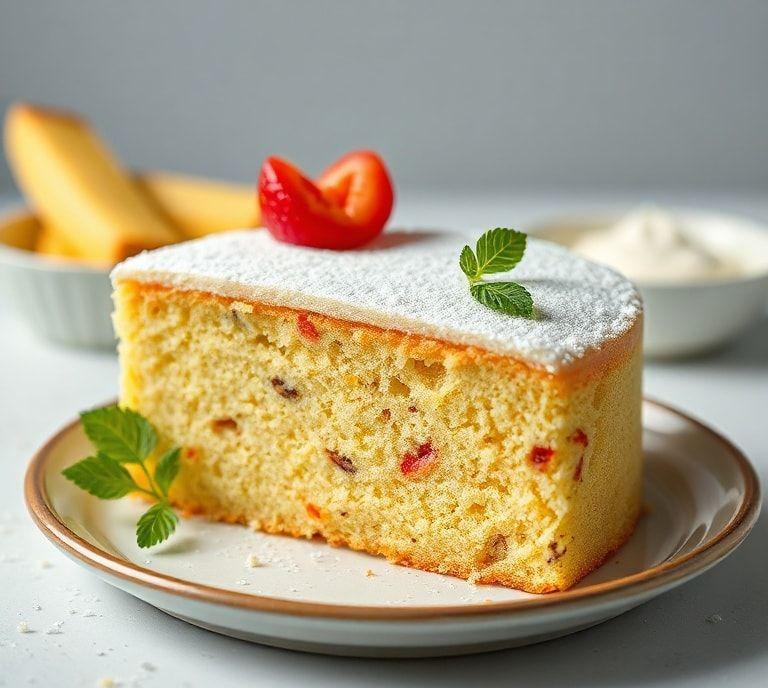
A vegetarian sponge cake is an absolute showstopper when it comes to light, fluffy desserts. Unlike traditional cakes that rely on eggs to provide structure and leavening, this one uses alternative methods to create that same soft, airy texture. It’s a game-changer, especially for those who follow plant-based diets or are looking to experiment in the kitchen.
Ingredients Needed
Let’s start with the basics. The ingredients for a vegetarian sponge cake are incredibly simple, yet they come together to create something that tastes anything but basic. You’ll need:
- All-purpose flour – This is your structure. It’s the backbone of the cake and gives it that delicate crumb.
- Baking powder – The magical ingredient that makes the cake rise, making it light and fluffy.
- Vegetable oil – This will help keep the sponge moist. I recommend a neutral oil, like sunflower or canola, because it won’t interfere with the cake’s subtle flavor.
- Sugar – Sweetness is key. It also helps with browning, giving the cake that perfect golden hue on top.
- Non-dairy milk – You can use almond, oat, or soy milk here. I personally love oat milk because it adds a little natural sweetness without being overpowering.
- Vinegar – Wait, vinegar? Yes! It reacts with the baking powder to give your cake a bit more lift, making it airy and soft.
- Vanilla extract – For that sweet, comforting aroma that makes every bite feel like a hug.
- Salt – Just a pinch, to balance out the sweetness.
Cooking Instructions
Now that we have everything we need, let’s talk about the process. This is one of those cakes that looks so simple but still has the potential to impress. Here’s how to do it:
- Preheat the oven to 350°F (175°C). Make sure you grease and flour your cake pans too-this will ensure the sponge comes out easily once it’s done.
- In a large bowl, whisk together your dry ingredients: all-purpose flour, baking powder, and salt. The dry ingredients need to be well combined so that the baking powder gets evenly distributed throughout the flour, ensuring an even rise.
- In a separate bowl, mix the wet ingredients: vegetable oil, non-dairy milk, sugar, vinegar, and vanilla extract. Whisk everything together until the sugar has dissolved completely. You’ll notice that the vinegar causes the mixture to look a little frothy-that’s the reaction we want!
- Slowly pour the wet ingredients into the dry ingredients, mixing gently as you go. Don’t overmix; you want to keep as much air in the batter as possible to achieve that light texture. A few gentle folds will do.
- Once the batter is mixed, pour it into your prepared cake pans. Give the pans a little tap on the counter to release any air bubbles trapped inside the batter.
- Bake the cakes for about 25-30 minutes, or until a toothpick inserted into the center comes out clean. Don’t open the oven door too soon, as this can cause the cake to collapse.
- Let the cakes cool in their pans for about 10 minutes before transferring them to a wire rack. Allow them to cool completely before serving.
Ingredient Science Spotlight
Let’s talk science for a moment-baking is like chemistry in the kitchen, and every ingredient plays a specific role. Here’s a peek at why some of these ingredients work so well together:
- Flour & Baking Powder: Flour provides structure to the cake, while baking powder acts as a leavening agent. It releases gas when it reacts with the vinegar (or any acidic ingredient), causing the cake to rise. This is especially important in a vegetarian sponge cake, as there’s no egg to create lift.
- Vegetable Oil: Fat is crucial for a soft texture, and oil is particularly good because it stays liquid at room temperature, keeping the cake moist for longer.
- Non-Dairy Milk & Vinegar: This combination mimics the acidity of buttermilk, which traditionally reacts with baking powder to create a light and fluffy texture. The milk also adds moisture, while the vinegar helps activate the baking powder more effectively.
- Sugar: It’s not just for sweetness-it also helps the cake brown, contributing to its delicate, golden color. Plus, sugar helps keep moisture in, ensuring the sponge doesn’t dry out.
Expert Tips
- Don’t overmix the batter: When mixing wet and dry ingredients, it’s tempting to go all out, but resist! Overmixing can lead to a denser cake because you’re knocking out all the air bubbles.
- Check the cake with a toothpick: Oven temperatures can vary, so keep an eye on the cake. Test with a toothpick about 25 minutes in; if it comes out clean, the cake is ready.
- Let the cakes cool completely: If you’re planning to frost or decorate your sponge cake, it’s important to let it cool completely. If the cake is still warm, frosting can melt and make a mess!
Recipe Variations
This sponge cake is a great base for all sorts of variations. You can:
- Add fruit: Fresh berries, bananas, or even citrus zest can be folded into the batter for added flavor.
- Make a chocolate sponge: Swap out ¼ cup of the flour for cocoa powder to give your cake a rich, chocolaty twist.
- Experiment with flavors: Add a splash of almond extract, lemon zest, or cinnamon to the wet ingredients for a more fragrant, layered flavor.
- Top it off: Once your sponge is baked and cooled, you can top it with whipped coconut cream, a drizzle of chocolate sauce, or even a layer of fruit preserves.
Final Words
The beauty of this vegetarian sponge cake lies in its simplicity. What you see is what you get: a cake that’s light, fluffy, and perfect for all kinds of celebrations. Whether you’re serving it with fresh strawberries or a dusting of powdered sugar, it’s bound to make an impression.
For me, there’s a nostalgic element to baking cakes like this. It reminds me of quiet afternoons spent experimenting with flavors, watching the batter rise in the oven, and enjoying the end result with friends or family. The best part? It’s a cake that can be shared by anyone, whether they follow a vegetarian diet or not.
FAQs
What Makes A Sponge Cake Vegetarian?
A vegetarian sponge cake does not contain any animal-derived ingredients such as gelatin or animal-based fats. Instead, it uses plant-based substitutes like vegetable oil or margarine and sometimes uses alternatives to eggs, such as flaxseed meal, applesauce, or commercial egg replacers, to achieve a light and airy texture.
Can I Use Regular Flour Or Do I Need A Special Type For A Vegetarian Sponge Cake?
Regular all-purpose flour can be used for a vegetarian sponge cake, as it provides sufficient structure when combined with leavening agents like baking powder or baking soda. However, for a lighter and airier texture, some recipes suggest using cake flour, which has a lower protein content and results in a softer crumb.
How Do I Ensure My Vegetarian Sponge Cake Rises Properly?
To ensure a good rise, it is important to properly beat the eggs or egg substitutes until light and fluffy, gently fold in the dry ingredients to avoid deflating the batter, and make sure your baking powder or baking soda is fresh. Baking at the correct temperature and avoiding opening the oven door too early also helps maintain the cake’s structure and volume.