
I’ve always believed that food is more than just fuel; it’s an experience. A good meal can transport you, evoke memories, and make you feel a sense of belonging. For me, musubi is one of those dishes. Simple, humble, yet packed with comfort and flavor, it’s a staple in Hawaiian cuisine that never fails to impress. But today, we’re going to give it a little twist-taking the traditional musubi and giving it a vegetarian makeover.
Now, I’m not vegetarian by default, but there’s something special about crafting plant-based dishes that are just as satisfying as their meaty counterparts. The challenge lies in creating textures and flavors that make the dish feel rich and indulgent without the need for meat. And musubi, with its perfect balance of savory, sticky rice, and flavorful topping, lends itself incredibly well to a vegetarian version. So, whether you’re a lifelong vegetarian or just looking to try something new, this recipe might just become your next favorite comfort food.
Vegetarian Musubi Recipe
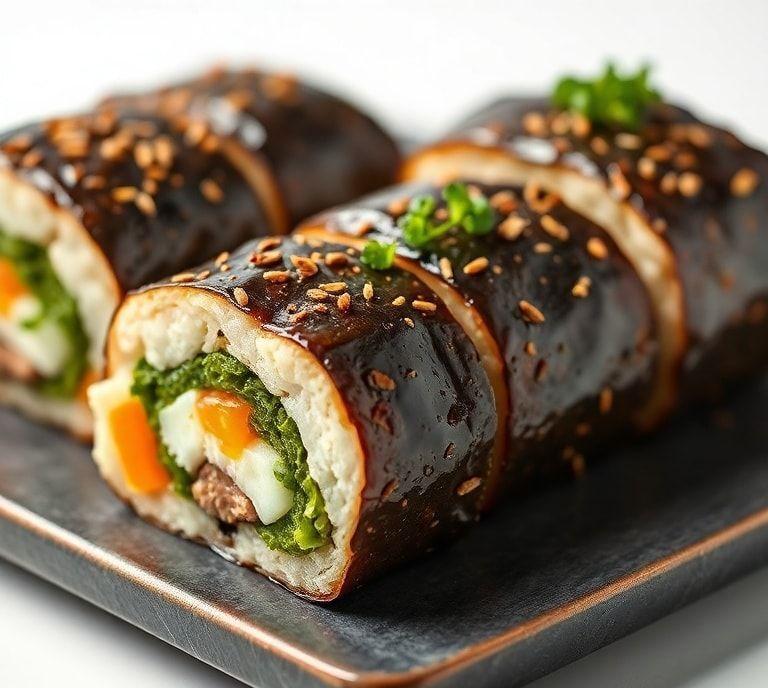
Musubi is often associated with spam, but we’re going to ditch the processed meat for a healthier, plant-based alternative. The key to a great vegetarian musubi lies in texture, flavor depth, and that irresistible combination of savory, sweet, and slightly salty. With a simple recipe and just a few ingredients, you’ll be able to make these delicious little bundles of joy in no time. Here’s how to do it:
Ingredients Needed
- 1 cup sushi rice: The sticky, short-grain rice is essential. It’s what binds everything together and gives musubi its signature texture.
- 1 ½ tablespoons rice vinegar: Adds a bit of tang to the rice and balances the richness of the other ingredients.
- 1 tablespoon sugar: Just a hint of sweetness to complement the vinegar and enhance the overall flavor of the rice.
- ½ teaspoon salt: Brings everything together and makes all the flavors pop.
- 4-6 slices of vegetarian protein (think tofu, tempeh, or a plant-based deli slice): We’re replacing spam with a vegetarian alternative. Tofu or tempeh is ideal for mimicking the texture and savory notes of spam, but you can use your favorite plant-based protein.
- 2 tablespoons soy sauce: For that essential umami flavor. If you’re gluten-free, tamari is a great substitute.
- 1 tablespoon sesame oil: Adds richness and a bit of nuttiness.
- Nori sheets: These are a must to wrap your musubi. They’re the final touch that makes this dish so recognizable.
- Optional: Pickled ginger or sesame seeds: For a little garnish and extra flavor.
Cooking Instructions
- Cook the Rice: Start by cooking the sushi rice. Rinse it under cold water until the water runs clear. This removes excess starch and ensures your rice is sticky but not mushy. Cook the rice according to your rice cooker’s instructions or on the stovetop, then set it aside to cool for a few minutes. In a small bowl, combine the rice vinegar, sugar, and salt, then stir until dissolved. Gently mix this vinegar solution into the rice while it’s still warm. This is where the magic happens: the rice becomes slightly tangy, sweet, and savory-exactly what you need to balance out the richness of the topping.
- Prepare the Protein: While the rice is cooking, take your tofu or tempeh and slice it into thin strips. For tofu, press it to remove excess moisture, then pan-fry it in a little sesame oil until golden and crispy. For tempeh, you can either pan-fry it or steam it first to soften, then lightly sauté it in soy sauce to get that savory depth.
- Assembly Time: Once the rice and protein are ready, it’s time to assemble. Lay a sheet of plastic wrap or parchment paper on a flat surface. Place a sheet of nori on top, shiny side down. With wet hands (this helps with the stickiness), take a scoop of the seasoned rice and spread it evenly on the nori. Add a slice or two of your prepared protein on top of the rice, making sure it’s centered. Now, this is where it gets fun-carefully fold the nori over the rice and protein, and use the plastic wrap to help shape it into a neat, tight rectangle. Repeat with the remaining ingredients.
- Slice and Serve: Once everything’s assembled, slice each musubi into bite-sized portions, and voilà! You’ve got yourself a beautiful, vegetarian version of this Hawaiian classic. You can even wrap them in additional nori for an extra layer of flavor and texture.
Ingredient Science Spotlight
When it comes to making a dish like musubi, the balance of flavors and textures is everything. One of the key elements is the rice. Sushi rice has a unique texture that’s sticky and slightly firm, which helps it hold together when you’re pressing the musubi into shape. The addition of rice vinegar, sugar, and salt isn’t just about flavor-it’s about transforming the rice into something that complements the rest of the ingredients.
Then there’s the protein. Tofu, tempeh, or even a plant-based deli slice brings in protein, but it’s the preparation that matters. Pan-frying tofu gives it a crispy exterior, which mimics the slight chewiness you’d get from the traditional spam. Tempeh, on the other hand, has a nutty flavor and a firmer texture that makes it an ideal stand-in. The soy sauce and sesame oil add umami depth, while the sesame oil introduces a nice nuttiness that pairs wonderfully with the rice and nori.
Finally, the nori-this seaweed is more than just a wrap. It adds a slight salty, oceanic flavor that balances the richness of the rice and protein. It’s a simple ingredient, but without it, musubi would be incomplete.
Expert Tips
- Pressing the Tofu: If you’re using tofu, don’t skip the pressing step. It’s crucial to remove excess water so the tofu can absorb all the flavors from the marinade and achieve that crispy texture when fried.
- Don’t Overfill: It’s tempting to pack the rice and protein in as tightly as possible, but musubi is all about balance. A little rice and a thin slice of protein go a long way in creating that perfect bite.
- Use a Musubi Maker: If you want to make musubi like a pro, consider investing in a musubi press. It helps shape the rice and nori into the perfect rectangle with minimal fuss. If you don’t have one, though, a clean, dry can or any cylindrical object will do in a pinch.
- Serve with a Side: Musubi is delicious on its own, but it pairs wonderfully with a side of pickled ginger, some miso soup, or a light salad to round out the meal.
Recipe Variations
While the vegetarian version is my go-to, there are plenty of ways to switch things up depending on your tastes or what you have on hand.
- Sweet Potato Musubi: For a slightly sweeter, heartier option, roast cubes of sweet potato and use them as a base. Their sweetness pairs well with the savory soy sauce and sesame oil, creating an interesting contrast.
- Avocado Musubi: Add a slice of creamy avocado for richness. This gives a beautiful contrast to the crispy tofu or tempeh and adds an extra layer of freshness.
- Spicy Sriracha Mayo: For those who like a little kick, drizzle some sriracha mayo over the tofu or tempeh before wrapping. It adds heat and creaminess, taking the dish to a whole new level.
- Grilled Mushrooms: Replace the tofu or tempeh with grilled portobello or shiitake mushrooms for a deep umami flavor that’s rich but still plant-based.
Final Words
Creating vegetarian musubi is all about embracing the flavors and textures of plant-based ingredients while respecting the traditional roots of the dish. It’s an easy recipe to master, but the result is nothing short of a culinary triumph. Whether you’re making it for yourself or sharing with others, each bite is a little piece of Hawaiian sunshine.
FAQs
What Ingredients Are Essential For A Vegetarian Musubi?
A vegetarian musubi typically consists of sushi rice, nori (seaweed sheets), and a vegetarian protein or filling. Common fillings include marinated tofu, tempeh, or seasoned vegetables such as mushrooms, bell peppers, or pickled daikon. Seasonings like soy sauce, mirin, and sesame oil enhance flavor, while optional toppings like furikake or avocado can add texture and visual appeal.
How Do I Assemble A Vegetarian Musubi So It Holds Together?
To assemble a vegetarian musubi, first cook and slightly season the sushi rice. Place a strip of nori on a clean surface and use a musubi mold or your hands to shape a compact rice block. Add the filling on top of the rice, then press another layer of rice over it if desired. Wrap the nori tightly around the rice and filling, sealing the edge with a few drops of water. Press gently to ensure it holds its shape without crushing the ingredients.
Can Vegetarian Musubi Be Made Ahead And Stored?
Yes, vegetarian musubi can be prepared ahead of time, but it is best consumed within 24 hours for optimal texture. Store the musubi in an airtight container at room temperature for a few hours, or refrigerate for longer periods. To prevent the nori from becoming soggy, keep the rice and nori slightly separated until ready to eat, or wrap tightly in plastic wrap to maintain freshness.