If you’ve ever wandered into a bakery and been faced with a display of beautifully glazed donuts, you know the feeling. The warm, sweet aroma, the perfect balance of crispy and soft textures-it’s a dessert that can take you right back to childhood mornings. But, what if you could make a version of this iconic treat that caters to those with a vegetarian lifestyle, without sacrificing that authentic, indulgent taste? Well, you’re in for a treat (pun intended)!
Making donuts at home may seem like a daunting task, but trust me, it’s simpler than you think. Plus, there’s something uniquely satisfying about creating your own donuts-shaping them, watching them rise, and then biting into that first one. This vegetarian donut recipe will guide you step-by-step and show you how easy it is to bake up a batch that’s just as mouthwatering as any you’ll find at your local shop. So, whether you’re a seasoned baker or someone who’s just getting comfortable with flour and yeast, you’ll find this recipe both fun and rewarding.
Vegetarian Donut Recipe
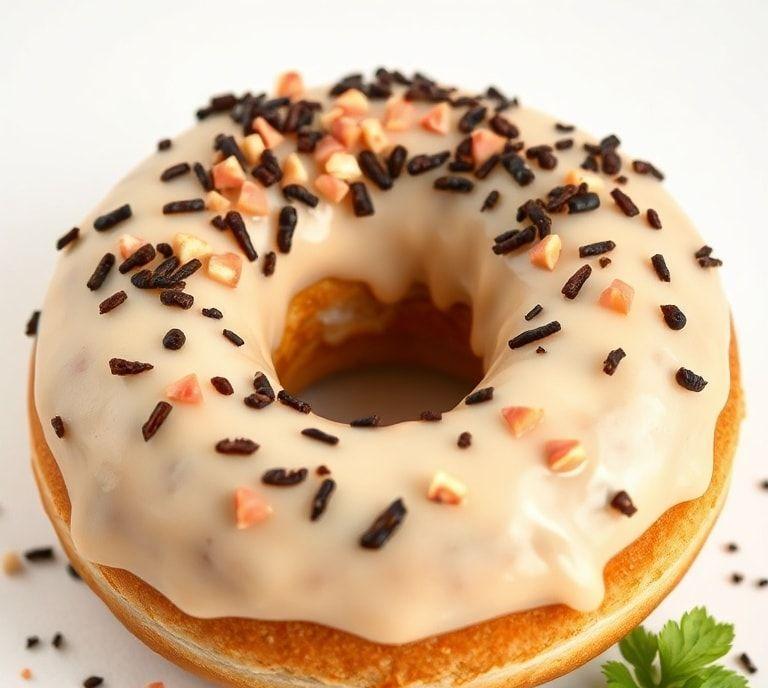
This vegetarian donut recipe is simple, customizable, and guaranteed to make your kitchen smell like a bakery. The dough is soft and pillowy, with just the right amount of sweetness. Plus, by making them at home, you get to experiment with different flavors and toppings. Picture yourself enjoying a warm, fluffy donut with a cup of coffee on a lazy Sunday morning-or, if you’re feeling generous, sharing them with friends and family. Either way, this recipe is about bringing joy to your kitchen.
Ingredients Needed
Here’s what you’ll need to gather before you get started:
- 1 cup whole milk (or a plant-based alternative like almond milk) – Milk is the foundation for any dough, and it gives the donuts that lovely richness. If you’re keeping it dairy-free, opt for a thick, creamy almond or oat milk.
- 2 1/4 teaspoons active dry yeast – The magic behind the rise. Yeast is what makes the dough puff up and gives the donuts their light, airy texture.
- 1/4 cup granulated sugar – A little sweetness goes a long way. Sugar helps activate the yeast and gives the donuts that familiar sugary finish.
- 2 large eggs (or flaxseed eggs for a vegan alternative) – Eggs bring moisture and act as a binding agent. If you want to make these fully vegan, swap them out for flax eggs (1 tablespoon flaxseed meal + 3 tablespoons water = 1 egg).
- 3 tablespoons unsalted butter (or dairy-free butter) – For that melt-in-your-mouth softness. If you’re avoiding dairy, a plant-based butter works just as well without compromising the taste.
- 1/2 teaspoon salt – Balances out the sweetness and enhances all the flavors.
- 4 cups all-purpose flour – The backbone of your donut dough. The flour gives structure while allowing the dough to remain soft and pliable.
- Vegetable oil for frying – This is your choice for frying, and don’t skimp on the oil’s temperature. Hot oil makes all the difference in achieving that crisp outer layer.
- Glaze (optional) – You can go with a simple powdered sugar glaze or a chocolate glaze. To keep it vegetarian, make sure the glaze doesn’t contain gelatin (some store-bought glazes do). But don’t worry, I’ve got ideas for easy homemade glazes below!
Cooking Instructions
Now, let’s break down the process:
- Activate the Yeast: Start by warming the milk in a small saucepan until it’s just slightly warm to the touch (about 110°F). Pour the milk into a bowl, sprinkle in the yeast, and stir with the sugar. Let it sit for about 5-10 minutes until it becomes foamy. This is your first indicator that your yeast is active and ready to go.
- Mix the Dough: In a large mixing bowl, combine the flour and salt. Create a well in the center and add the egg (or flax egg), melted butter, and the yeast mixture. Mix everything together with a wooden spoon or a dough hook attachment if you have a stand mixer. You want the dough to come together in a ball.
- Knead the Dough: Once the dough comes together, turn it out onto a floured surface and knead for about 8 minutes, until it’s smooth and elastic. If you’re using a stand mixer, let the machine do the work for about 4-5 minutes on medium speed.
- Let It Rise: Place the dough in a lightly greased bowl, cover it with a clean kitchen towel, and let it rise in a warm spot for about 1-1.5 hours, or until it has doubled in size. This is the part where the dough becomes fluffy and airy.
- Shape the Donuts: Once the dough has risen, punch it down to release the air. Roll the dough out onto a lightly floured surface to about 1/2-inch thick. Use a donut cutter or two round cutters (one large and one small for the hole) to shape the donuts.
- Heat the Oil: In a large, deep pot, heat about 2-3 inches of vegetable oil over medium heat. The oil is ready when a small piece of dough dropped into it sizzles and rises to the top immediately.
- Fry the Donuts: Carefully drop the donuts into the hot oil, a few at a time, and fry for about 1-2 minutes on each side, until they are golden brown. Use a slotted spoon to remove the donuts from the oil and set them on a paper towel-lined plate to drain.
- Glaze and Serve: Once the donuts are cool enough to handle, dip them into your glaze of choice (or sprinkle them with powdered sugar for simplicity). Serve them immediately for the best experience!
Ingredient Science Spotlight
Here’s something I love about donuts: the science behind the ingredients. Yeast, for instance, is a living organism. When you add it to warm liquid and sugar, it starts to feed on the sugar and releases carbon dioxide. This is what causes the dough to rise. The eggs and butter help create that delicate texture, ensuring the donut is light and moist. And the oil-well, it’s not just for frying; it’s key to giving the donut its crispy exterior while keeping the inside soft.
Flour, of course, is the base. But the type of flour you use is important, too. For donuts, all-purpose flour works well because it has enough protein to give structure but not so much that it makes the donut dense. If you want to make these a bit more decadent, you can add a little bit of cake flour for a softer crumb.
Expert Tips
- Fry at the Right Temperature: If the oil is too hot, your donuts will burn on the outside while staying raw inside. Too cold, and they’ll absorb too much oil and be greasy. Keep the oil at a steady temperature of about 350°F.
- Let the Dough Rest: Once you’ve shaped the donuts, let them rest for 10-15 minutes before frying. This allows them to puff up further, giving you that light, airy texture.
- Don’t Overcrowd the Pan: When frying, don’t try to fry too many donuts at once. Overcrowding the pan lowers the oil temperature, which affects the crispiness and color of your donuts.
- Try Flavoring the Glaze: You can add all kinds of fun flavors to your glazes. A dash of vanilla, a little citrus zest, or even some cocoa powder can transform the glaze and make your donuts feel like an entirely different treat.
Recipe Variations
- Chocolate Glazed Donuts: Simply melt some dark chocolate with a bit of milk or cream and dip the donuts into this rich, glossy glaze.
- Cinnamon Sugar Donuts: After frying, toss your donuts in a mixture of cinnamon and sugar for a sweet and spicy twist.
- Vegan Donuts: Swap the eggs and dairy for flax eggs and plant-based milk and butter. These will still be fluffy and delicious, with no compromise on taste.
- Fruit-Infused Glaze: Add a bit of fruit puree (like strawberry or raspberry) to your glaze for a fresh, fruity flavor.
Final Words
Baking homemade donuts isn’t just about following a recipe-it’s about creating something with your own hands and sharing it with people you care about. There’s an undeniable sense of satisfaction when you pull those warm, golden donuts out of the oil and cover them in a glossy glaze. It’s a simple pleasure that connects us to tradition and, more importantly, to the joy of food.
FAQs
Can I Substitute Eggs In A Vegetarian Donut Recipe?
Yes, eggs can be substituted with various plant-based alternatives. Common egg replacements for vegetarian donut recipes include mashed bananas, unsweetened applesauce, or flaxseed meal mixed with water. These substitutes help provide the necessary binding and moisture for the donuts.
What Types Of Flour Are Best For Making Vegetarian Donuts?
For vegetarian donuts, all-purpose flour is the most common and versatile choice. However, for a gluten-free option, you can substitute with a gluten-free flour blend. Whole wheat flour can also be used for a healthier option, though it may yield a denser texture.
How Can I Make My Vegetarian Donuts Dairy-free?
To make vegetarian donuts dairy-free, you can replace dairy ingredients like milk and butter with plant-based alternatives. Almond milk, soy milk, or oat milk work well as milk substitutes, and dairy-free margarine or coconut oil can replace butter. Ensure the recipe you follow is free from other animal-derived ingredients like honey or gelatin.