
There’s something undeniably comforting about a good bowl of soup, don’t you think? It’s like a warm hug in a bowl-especially when it’s packed with fresh flavors and nourishing ingredients. But have you ever thought about combining the bold, rich flavors of Asian cuisine with the simplicity of a vegetarian dish? If not, then you’re in for a treat. I’m excited to share a recipe that’s easy, healthy, and incredibly flavorful: Asian Soup with a vegetarian twist.
This recipe is one I’ve been making for years-perfect for those days when you want something that’s quick but feels like a cozy, hearty meal. Whether you’re a seasoned cook or just someone trying to add a bit more plant-based goodness to your diet, this recipe hits all the right notes.
But what really makes this soup stand out is its balance of flavors. You get the salty umami from soy sauce, the bright zestiness from lime, and the warm, earthy tones from ingredients like ginger and garlic. All these ingredients come together in a way that feels comforting but never heavy, fresh but satisfying.
So, let’s dive in, shall we? Grab your apron, gather your ingredients, and let’s get cooking!
Asian Soup Vegetarian Recipe
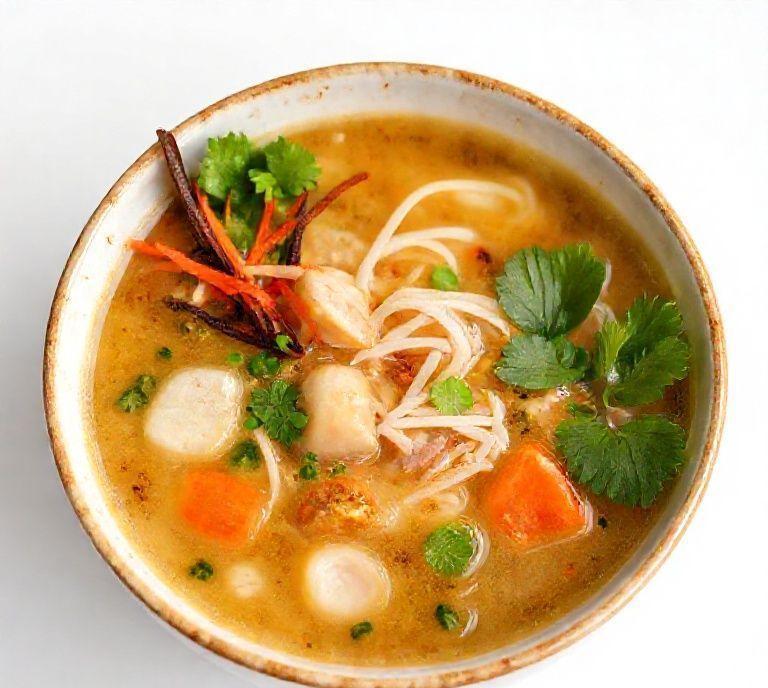
This recipe combines a blend of savory, tangy, and aromatic flavors into one bowl. It’s simple, nourishing, and packs a punch of flavor that will transport you straight to the bustling streets of Southeast Asia.
Ingredients Needed
Let’s talk about the ingredients. The beauty of this recipe is that it doesn’t require a lot of fancy or hard-to-find items. You probably already have many of these ingredients in your kitchen, especially if you cook Asian-inspired dishes often.
Here’s what you’ll need:
- Vegetable broth – This serves as the base of your soup and provides a nice, savory foundation. You could also use miso broth for an extra depth of umami, but vegetable broth works beautifully for a light, fresh flavor.
- Tofu – This is the protein element in the soup. I love using firm tofu that’s been pressed to remove excess moisture. This way, it holds up well in the soup and takes on the flavors you add to it.
- Mushrooms – Shiitake mushrooms are my go-to here, as they have a great texture and absorb the flavors of the broth wonderfully. But you can easily use any variety you like.
- Garlic – You can’t make a flavorful Asian dish without garlic. It’s the aromatic backbone that gives the soup depth and warmth.
- Ginger – Fresh ginger adds a zesty, slightly spicy kick that balances out the richness of the broth.
- Soy Sauce – A splash of soy sauce gives the soup that classic umami flavor that is a hallmark of Asian cuisine. You can use tamari if you’re avoiding gluten.
- Lime – This is the magic ingredient that brightens up the soup and gives it a refreshing tang. You’ll want to squeeze some fresh lime juice in at the end, but I also love garnishing with lime wedges.
- Rice Noodles – These noodles are perfect for this soup. They’re delicate and soak up the broth beautifully, but they cook quickly, making this dish easy to whip up in no time.
- Scallions (Green Onions) – These are for garnish, but they also add a fresh, slightly peppery flavor that cuts through the richness of the soup.
- Fresh cilantro – For an herby finish that adds a bright, citrusy note.
Cooking Instructions
Now, let’s get to the fun part: making the soup. It’s simple, straightforward, and doesn’t require any advanced culinary skills-just a little bit of patience and attention to detail. Here’s how you do it:
- Prepare your tofu: Start by pressing the tofu to remove excess moisture. I use a clean kitchen towel and place a heavy object (like a skillet) on top for about 15 minutes. Once pressed, cut it into cubes.
- Sauté aromatics: In a large pot, heat a tablespoon of vegetable oil over medium heat. Add your minced garlic and ginger and sauté for 1-2 minutes, or until fragrant. Be careful not to burn the garlic!
- Add mushrooms: Toss in your sliced mushrooms and cook until they begin to soften and release their juices-about 5 minutes.
- Add broth: Pour in your vegetable broth and bring the mixture to a gentle simmer. Stir in the soy sauce, and allow the broth to simmer for 5-7 minutes so all the flavors can meld together.
- Prepare the noodles: While your broth is simmering, cook the rice noodles according to the package instructions. Once cooked, drain them and set aside.
- Tofu time: In a separate pan, lightly brown your tofu cubes in a bit of oil until they’re golden and crispy on all sides. This adds a nice texture to the tofu, but you can skip this step if you prefer your tofu soft.
- Assemble the soup: Add the cooked noodles to the broth, followed by the tofu cubes. Let everything simmer for an additional 2-3 minutes to combine the flavors.
- Finishing touches: Squeeze in some fresh lime juice for a burst of acidity, and garnish with sliced scallions and cilantro. For extra flavor, add a pinch of chili flakes or a splash of sesame oil if you like a little more kick.
Ingredient Science Spotlight
Let’s take a moment to appreciate some of the ingredients that make this soup so nourishing and flavorful.
- Tofu: Tofu is a fantastic plant-based protein, and it’s especially rich in isoflavones, which have been linked to various health benefits, including heart health and hormone balance. It’s also full of calcium, which is great for bones and teeth. The tofu absorbs all the beautiful flavors of the broth, making it a perfect addition to this soup.
- Ginger: Not just a flavor powerhouse, ginger is known for its anti-inflammatory properties and is often used to help with digestive issues. It also contains antioxidants that can support your immune system. Ginger adds both a spicy and refreshing element to the soup.
- Mushrooms: Mushrooms, especially shiitakes, are rich in vitamins B and D, along with immune-boosting compounds. They also provide a meaty texture without the need for actual meat, making them a great addition to vegetarian dishes.
- Lime: The zesty brightness of lime balances the richness of the broth, but it also offers a good dose of vitamin C, which supports your immune system and skin health. Lime also has an aromatic oil that adds a lovely fragrance.
Expert Tips
- Press your tofu properly: Don’t skip pressing your tofu! This step ensures that it absorbs more of the broth and won’t become a soggy mess in your soup. If you don’t have a tofu press, you can use a clean towel and a heavy skillet to achieve the same result.
- Experiment with broth: If you want a richer, more complex flavor, try using a miso broth or adding a spoonful of miso paste to your vegetable broth. It’s a small change that can really elevate the flavor profile.
- Don’t overcook the noodles: Rice noodles cook quickly and can become mushy if overcooked. Be sure to cook them just until they’re tender and then immediately drain them to avoid any sogginess.
- Play with toppings: If you love a little crunch, try adding some toasted sesame seeds or chopped peanuts on top. They’ll add a delightful contrast to the softness of the tofu and noodles.
Recipe Variations
This soup is highly customizable based on what you like or have on hand. Here are a few variations:
- Spicy kick: Add some fresh chili peppers or chili paste to the broth to make it spicier. If you like heat, this will really take the soup to the next level.
- Veggies galore: Feel free to add more vegetables like bok choy, spinach, or bell peppers. Just toss them into the broth a few minutes before serving.
- Noodle options: If you’re not into rice noodles, you can substitute with udon, soba, or even whole wheat spaghetti if that’s what you’ve got in your pantry.
Final Words
This Asian vegetarian soup is a beautiful example of how simple ingredients can come together to create something extraordinary. Whether you’re making it on a chilly evening, as a quick weeknight dinner, or as a meal prep option for the week, it’s one of those dishes that never gets old. Plus, the versatility of this soup means it can easily be adjusted to your taste and dietary needs.
FAQs
What Are The Key Ingredients For A Vegetarian Asian Soup?
A vegetarian Asian soup typically includes a combination of vegetables such as bok choy, mushrooms, carrots, and snow peas. Tofu or tempeh can be added for protein. Flavor is enhanced with aromatics like garlic, ginger, and green onions. Common seasonings include soy sauce, miso paste, sesame oil, and sometimes chili paste or fresh herbs like cilantro. Vegetable broth or water is used as the base to keep it fully vegetarian.
Can I Make Asian Soup Vegetarian Without Losing Flavor?
Yes, vegetarian Asian soups can be very flavorful. The key is to use umami-rich ingredients such as miso, soy sauce, dried mushrooms (like shiitake), seaweed (like kombu or wakame), and roasted sesame oil. Layering flavors by sautéing aromatics before adding the broth, and finishing with fresh herbs or a squeeze of lime, helps create depth and richness similar to traditional non-vegetarian versions.
How Long Does It Take To Prepare A Vegetarian Asian Soup?
Preparation time for a vegetarian Asian soup varies depending on the recipe and ingredients. Simple soups can take 20-30 minutes, while more complex recipes with homemade broth may take 1-2 hours. Most soups require roughly 10-15 minutes to chop vegetables and aromatics, 5-10 minutes to sauté them, and 10-20 minutes to simmer, allowing flavors to meld together.