
The holiday season is all about tradition, and in my family, nothing says ’celebration’ quite like pasteles. These vibrant, flavor-packed parcels of joy are a cornerstone of Puerto Rican cuisine, and, as you’ll discover, they come in all sorts of varieties. But today, let’s focus on a vegetarian version that doesn’t skimp on flavor or texture. I remember when I first tried to make pasteles for myself-there was a lot of trial and error, and definitely some chaos in the kitchen. But after much practice, and a little bit of ingenuity, I found a recipe that doesn’t just honor the traditional elements of pasteles but also incorporates modern vegetarian ingredients. It’s the perfect combination of nostalgia and innovation, all wrapped up in a delicious little package.
If you’ve ever tasted pasteles before, you’ll know that they’re not just food; they’re an experience. It’s the kind of dish that takes time, effort, and love to prepare. And while traditional pasteles are often filled with meat, this vegetarian version brings all the warmth and heartiness you expect but with plant-based substitutes that make it just as satisfying. Let’s dive in.
Vegetarian Pasteles Recipe
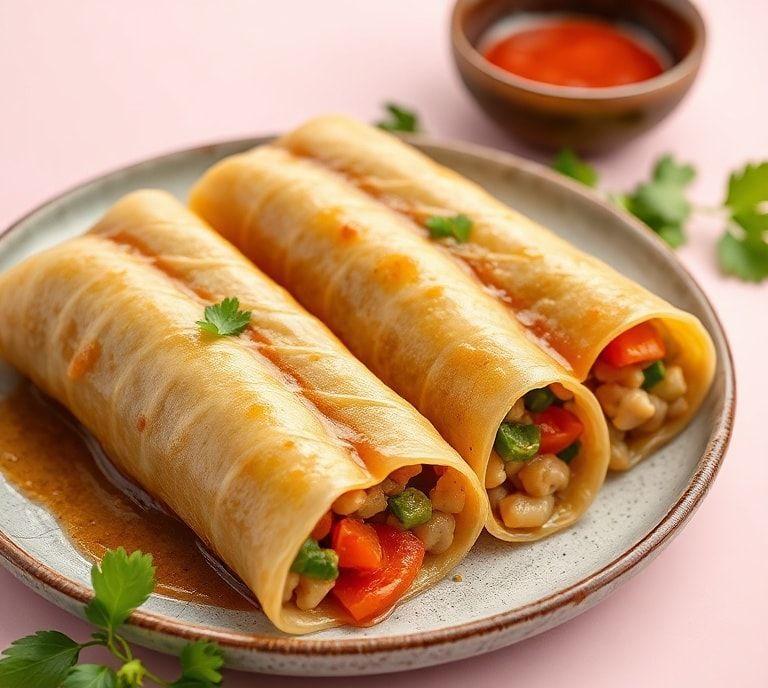
Making vegetarian pasteles is an act of both creativity and tradition. The root vegetables, the savory filling, and the banana leaves all come together in a way that feels like you’re unwrapping a piece of heritage with every bite. For those unfamiliar with pasteles, think of them as Puerto Rican tamales-though they have their own distinct flavors, textures, and cultural significance.
In the case of a vegetarian twist, we use plant-based protein and substitute traditional meats like pork or chicken with options that still offer that hearty, satisfying bite. So, here’s the recipe you’ll want to try, perfect for family gatherings, or just because you’re craving something bold and delicious.
Ingredients Needed
For the pasteles themselves, you’ll need:
-
Masa (dough) For The Pasteles
- 4 cups of mashed plantains (or yuca for a different texture)
- 1 cup of grated calabaza (squash)
- 1 cup of mashed potato (for added creaminess)
- 2 tbsp of olive oil or butter
- 1 tsp of garlic powder
- Salt to taste
- 1-2 cups of vegetable broth (enough to make the dough pliable)
For the vegetarian filling:
- 2 cups of cooked chickpeas (or your preferred beans)
- 1 cup of finely chopped mushrooms (portobello or cremini work well)
- 1/2 cup of sautéed onions
- 1/2 cup of bell peppers, chopped
- 1/2 cup of chopped olives (green or black)
- 1 tbsp of tomato paste
- 1 tbsp of capers (optional, but they add a great briny flavor)
- 2-3 cloves of garlic, minced
- 1 tbsp of adobo seasoning
- 1 tsp of oregano
- 1 tbsp of sofrito (you can buy this pre-made or make your own)
- 1 tbsp of vinegar (adds a nice tang)
- 2 tbsp of olive oil for sautéing
For wrapping:
- 12-15 large banana leaves (you can find these in Latin grocery stores)
- Kitchen twine or string to tie the pasteles
Cooking Instructions
- Prepare the Masa: Start by peeling and boiling the plantains until they are soft. Once they’re done, mash them up with a fork or potato masher. The goal is to get a smooth, but slightly chunky consistency. Grate the calabaza (squash) and mash the potatoes. Combine all the vegetables in a large bowl, adding in the olive oil, salt, and garlic powder. Gradually add vegetable broth until the masa is soft, but not too runny. You want it to hold its shape, so be cautious with the broth!
- Make the Filling: In a large skillet, heat some olive oil over medium heat. Sauté the onions, bell peppers, and garlic until they’re soft and fragrant, about 5-7 minutes. Add in the mushrooms and cook for another 5 minutes until they release their moisture and start to brown. Stir in the chickpeas, olives, capers, and tomato paste, and let it cook for another 2 minutes to combine. Season with sofrito, adobo, oregano, and a little vinegar to balance the flavors. Once everything is cooked through, set the filling aside.
- Assemble the Pasteles: Now comes the fun part! Take the banana leaves and cut them into roughly 12×12-inch squares. You’ll need to soften them by briefly passing them over a flame or boiling them in hot water. This step ensures that they become pliable and won’t break when you fold them. Lay a banana leaf flat, spoon about 1/3 cup of masa in the center, and gently flatten it out into a rectangular shape. Spoon some of your filling onto the masa. Fold the sides of the leaf in and then roll it tightly. Tie the ends with kitchen twine to hold everything together.
- Cook the Pasteles: Fill a large pot with water and bring it to a boil. Once the water is boiling, carefully add the wrapped pasteles and reduce the heat to a simmer. Let them cook for about 1 hour. The masa will firm up and take on a beautiful texture, while the flavors of the filling meld together inside.
- Serve and Enjoy: Once the pasteles are cooked, let them cool for a few minutes before unwrapping. Serve them with a side of arroz con gandules (rice with pigeon peas) for the full Puerto Rican experience, or enjoy them just as they are!
Ingredient Science Spotlight
Every ingredient in this dish plays a specific role in making pasteles what they are. The masa-a combination of plantains, squash, and potato-brings together the perfect blend of sweet, savory, and starchy textures. Plantains, with their natural sweetness, are the perfect foundation for the filling, while the potato adds a creamy texture that binds everything together.
The mushrooms serve as a great substitute for meat in this vegetarian version. They have a hearty, umami-rich flavor that mimics the richness of pork or beef. Then there’s the sofrito-a magical mixture of onions, peppers, garlic, and herbs that infuses the filling with flavor. When you add capers, you get that slight briny punch that really brightens the whole dish. And let’s not forget the banana leaves, which add a subtle, smoky flavor and help keep the pasteles moist during cooking. It’s a little bit of science and a lot of tradition.
Expert Tips
- Banana leaves are a must for the authentic experience, but if you can’t find them, you can substitute with parchment paper or foil. However, the banana leaves bring an earthy, aromatic flavor that you can’t replicate.
- Don’t rush the masa. It should be just soft enough to spread without being too sticky or watery. The trick is to gradually add vegetable broth until it’s the right consistency.
- You can make the filling ahead of time to save yourself some stress on the big day. Just store it in the fridge and then assemble the pasteles when you’re ready.
- Experiment with the filling! Swap out chickpeas for other beans like black beans, or add in roasted vegetables for a more seasonal twist.
Recipe Variations
This recipe is wonderfully versatile! Here are a few variations to get you started:
- Vegan Pasteles: For a fully plant-based version, skip the cheese (if you’re adding any) and use vegetable broth for the masa. You can also replace the olive oil with coconut oil for a hint of tropical flavor.
- Sweet and Savory: Add a handful of raisins to the filling to create a sweet-savory balance that’s a little more traditional.
- Spicy Kick: Add some finely chopped jalapeños or chili flakes to the filling for an extra burst of heat.
Final Words
Vegetarian pasteles are a perfect example of how you can honor tradition while embracing new, innovative flavors. They are rich with the history of Puerto Rican culture, but also adaptable to meet the needs of modern-day eaters. Whether you’re celebrating a holiday, making a batch for a special occasion, or simply looking to try something new, these pasteles will never disappoint.
FAQs
What Ingredients Are Used In A Vegetarian Pasteles Recipe?
A vegetarian pasteles recipe typically uses plant-based ingredients like mashed root vegetables such as yuca (cassava), sweet potato, and plantain for the dough. The filling can include a variety of vegetables such as mushrooms, bell peppers, onions, olives, and capers. Sometimes, tofu or tempeh is used as a substitute for meat, and the pasteles are often seasoned with adobo, garlic, cilantro, and achiote oil for added flavor.
Can I Substitute The Meat Filling In A Pasteles Recipe With Other Ingredients?
Yes, you can easily substitute the traditional pork or beef filling in pasteles with a variety of vegetarian ingredients. Some common substitutes include sautéed mushrooms, lentils, or tofu. These alternatives provide a similar texture and absorb the rich flavors from the seasonings used in the filling. Additionally, vegetables like bell peppers, onions, and olives can be used to enhance the taste and create a satisfying vegetarian filling.
How Do I Prepare The Dough For Vegetarian Pasteles?
To prepare the dough for vegetarian pasteles, begin by boiling and mashing a combination of root vegetables, such as yuca, sweet potato, and plantains. Once the vegetables are tender, mash them until smooth. Add seasonings such as adobo, garlic, and achiote oil to the mashed vegetables to enhance the flavor. The dough should be pliable but firm enough to hold together when wrapped. You will then spread the dough onto plantain leaves or parchment paper, add the filling, and wrap the pasteles tightly before steaming them for about 45 minutes to an hour.