Imagine walking into an Indian kitchen-fragrant spices in the air, the sizzle of ingredients dancing in hot oil, and the sound of laughter echoing from the family. Indian cuisine is more than just food; it’s a celebration of culture, community, and history. There’s something magical about the way simple vegetables can be transformed with a handful of spices into something extraordinary.
Today, let’s explore a vegetarian Indian lunch recipe that’s been passed down through generations: Aloo Gobi, a comforting curry of potatoes (aloo) and cauliflower (gobi) simmered in a medley of spices. It’s a staple in many Indian homes, easy to prepare, and incredibly versatile. This recipe is perfect for anyone wanting a warm, hearty meal that’s packed with nutrients and flavor.
Vegetarian Lunch Indian Recipe
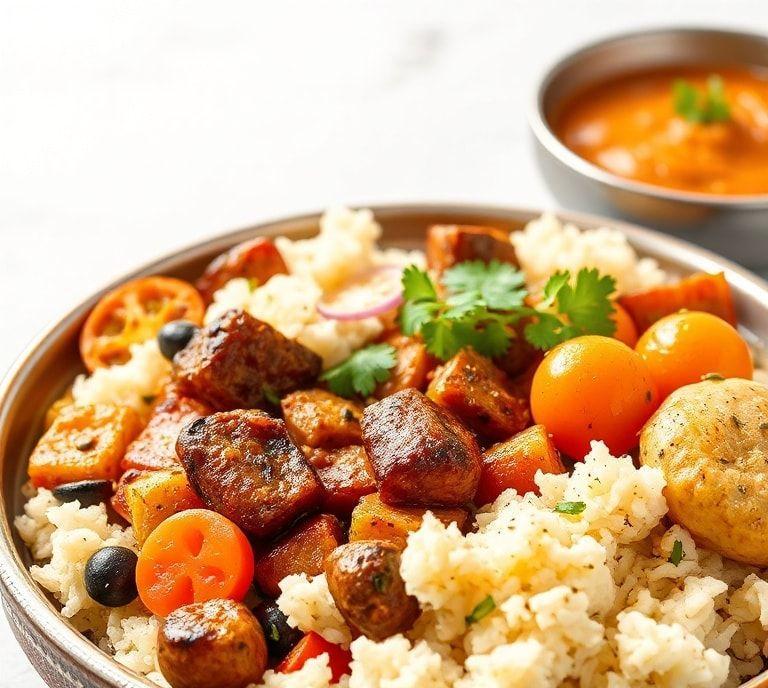
This Aloo Gobi recipe is a classic example of how vegetarian meals in India can be both filling and deeply satisfying. It’s a perfect way to showcase the beauty of plant-based cooking. There’s no need for meat when you have the bold, rich flavors of turmeric, cumin, coriander, and garam masala doing all the heavy lifting. Plus, the soft, creamy potatoes and tender cauliflower create a balanced texture that makes this dish so comforting.
Ingredients Needed
Before we begin, it’s essential to have the right ingredients. These are the stars of the show, so be sure to gather them before starting:
- Potatoes (Aloo) – 2 medium-sized, peeled and diced
- Cauliflower (Gobi) – 1 small head, cut into florets
- Onion – 1 large, finely chopped
- Tomato – 1 large, chopped
- Green chilies – 1-2, slit lengthwise (optional for some heat)
- Ginger-garlic paste – 1 tablespoon
- Turmeric powder – 1/2 teaspoon
- Ground coriander – 1 teaspoon
- Ground cumin – 1 teaspoon
- Garam masala – 1 teaspoon
- Cumin seeds – 1/2 teaspoon
- Mustard seeds – 1/2 teaspoon (optional)
- Fresh cilantro (coriander) – a handful, chopped (for garnish)
- Salt – to taste
- Vegetable oil – 2 tablespoons
- Water – 1/2 cup (or more for desired consistency)
- Lemon juice – 1 tablespoon (optional, for tanginess)
Cooking Instructions
- Prepare the Vegetables: Start by chopping your potatoes and cauliflower. It’s essential to get uniform-sized pieces for even cooking. I recommend keeping the cauliflower florets a little on the larger side, so they hold their shape during cooking.
- Tempering the Spices: In a deep pan or kadai, heat the vegetable oil over medium heat. Once hot, add the cumin seeds and mustard seeds (if using). Let them splutter for a few seconds; this is known as “tempering” the spices, and it releases their essential oils, creating a fragrant base for the dish.
- Sauté the Aromatics: Add the chopped onions to the pan and sauté until they become golden brown. This might take about 7-8 minutes, but it’s a crucial step as the caramelized onions add sweetness to the curry. Add the ginger-garlic paste and green chilies and cook for another 2 minutes until the raw smell of garlic disappears.
- Cook the Tomatoes and Spices: Now, add the chopped tomatoes, turmeric powder, ground coriander, and ground cumin. Stir it all together and cook until the tomatoes soften and start to break down. This should take about 5 minutes.
- Add the Vegetables: Toss in the diced potatoes and cauliflower florets. Mix them with the sautéed spices to coat them evenly. Cook for 2 minutes.
- Simmer the Curry: Add water to the pan (about half a cup or more, depending on how saucy you like your curry). Cover and let the curry simmer for 15-20 minutes or until the potatoes and cauliflower are tender. You can adjust the water at any point if the curry thickens too much or if you prefer a different consistency.
- Season the Dish: Stir in the garam masala and salt to taste. Give it one final stir, and your Aloo Gobi is ready to serve. Garnish with fresh cilantro and a squeeze of lemon juice if desired.
Ingredient Science Spotlight
Let’s take a moment to appreciate the science behind a few key ingredients that make this dish so special:
- Turmeric: Known for its bright yellow color and health benefits, turmeric contains curcumin, which is an antioxidant and anti-inflammatory agent. It’s a key component in many Indian curries, not only for its flavor but also for its potential health benefits, like boosting digestion and reducing inflammation.
- Cauliflower: This humble vegetable is a nutritional powerhouse. It’s rich in fiber, vitamins, and antioxidants that help support the immune system. Plus, its high water content keeps it light and easily digestible.
- Ginger and Garlic: Both of these ingredients have been used in traditional medicine for centuries due to their digestive and anti-inflammatory properties. They add warmth and depth to the curry’s flavor profile, but also aid in digestion-making this dish not only delicious but good for your gut!
Expert Tips
- Balance the Heat: If you love heat, go ahead and increase the number of green chilies or add a pinch of red chili powder. If you’re sensitive to spice, just stick with one chili and omit any extra chili powder.
- Don’t Rush the Cooking: Indian curries are all about slow cooking to allow the spices to develop their full flavor. Don’t skip the step where the tomatoes and spices are cooked down, as this caramelization brings out the richness in the curry.
- For Extra Flavor: Try adding a pinch of asafoetida (hing) along with the cumin seeds when tempering. It’s a little-known secret ingredient in Indian cooking that adds a unique depth and complexity to dishes.
- Achieve the Perfect Texture: If you want your cauliflower to retain some bite, add it later in the cooking process. If you like it softer and more integrated into the curry, add it along with the potatoes.
Recipe Variations
One of the great joys of cooking Indian food is the ability to play around with different variations. Here are a few ideas to switch things up:
- Add Peas: For a pop of color and sweetness, toss in a handful of peas along with the cauliflower.
- Make it Creamy: Add a couple of tablespoons of yogurt or coconut milk towards the end of cooking for a creamy version of Aloo Gobi.
- Swap the Vegetables: While potatoes and cauliflower are traditional, feel free to experiment with other vegetables like sweet potatoes, carrots, or even spinach.
Final Words
Cooking Aloo Gobi isn’t just about putting together ingredients; it’s about connecting with a time-honored tradition of flavor and nourishment. This vegetarian dish is a beautiful example of how simple, accessible ingredients can come together to create something rich, comforting, and full of history. Whether you serve it with rice, naan, or just enjoy it as is, there’s something deeply satisfying about a well-made curry.
FAQs
What Are Some Popular Vegetarian Lunch Recipes In Indian Cuisine?
Indian cuisine offers a wide range of vegetarian lunch options, some of the most popular being ’Chole Bhature’ (spicy chickpea curry with deep-fried bread), ’Paneer Butter Masala’ (paneer cubes in a creamy tomato-based gravy), ’Aloo Gobi’ (potato and cauliflower curry), ’Baingan Bharta’ (roasted eggplant curry), and ’Palak Paneer’ (spinach and paneer curry). These dishes can be paired with rice, roti, or naan for a complete meal.
Are There Any Easy Vegetarian Indian Recipes For Lunch?
Yes, there are several easy vegetarian Indian recipes for lunch that require minimal preparation. Some options include ’Vegetable Pulao’ (spiced rice with mixed vegetables), ’Aloo Paratha’ (stuffed flatbread with spiced mashed potatoes), ’Moong Dal Tadka’ (yellow lentils with tempering), and ’Cabbage Sabzi’ (stir-fried cabbage with spices). These dishes are quick to prepare and can be made in under 30 minutes.
How Can I Make My Vegetarian Indian Lunch Healthier?
To make a vegetarian Indian lunch healthier, consider using less oil or ghee in your cooking. Opt for whole grains like brown rice or whole wheat roti instead of refined flour or white rice. Add more vegetables to your curries, salads, and dals to increase fiber and nutrients. You can also replace heavy cream with yogurt or coconut milk in gravies, and include protein-rich ingredients like lentils, chickpeas, or tofu to create a well-balanced meal.