I’ve always believed that some of the best meals are born from a mix of tradition and creativity-especially when it comes to the idea of a "boil." The humble, hearty dish is a celebration of flavors, textures, and good company. In my family, seafood boils and veggie boils were a staple during the summer months. The aroma of boiling broth, seasoned just right, fills the air and promises a feast to remember. Over the years, I’ve honed a recipe that takes the concept of a boil but makes it completely plant-based, and it’s become one of my favorite go-to dishes.
If you’ve never tried a vegetarian boil, you might wonder how something so simple can be so flavorful. Trust me, the magic is in the ingredients. A carefully selected mix of vegetables, herbs, and spices creates a rich, savory base, while each bite brings a bit of everything-crispy, tender, buttery, and oh-so-satisfying.
Today, I’m excited to walk you through my vegetarian boil recipe, from picking out the right ingredients to understanding the science behind the cooking process. Whether you’re a seasoned home cook or a beginner looking to try something new, this recipe is as fun to make as it is to eat.
Vegetarian Boil Recipe
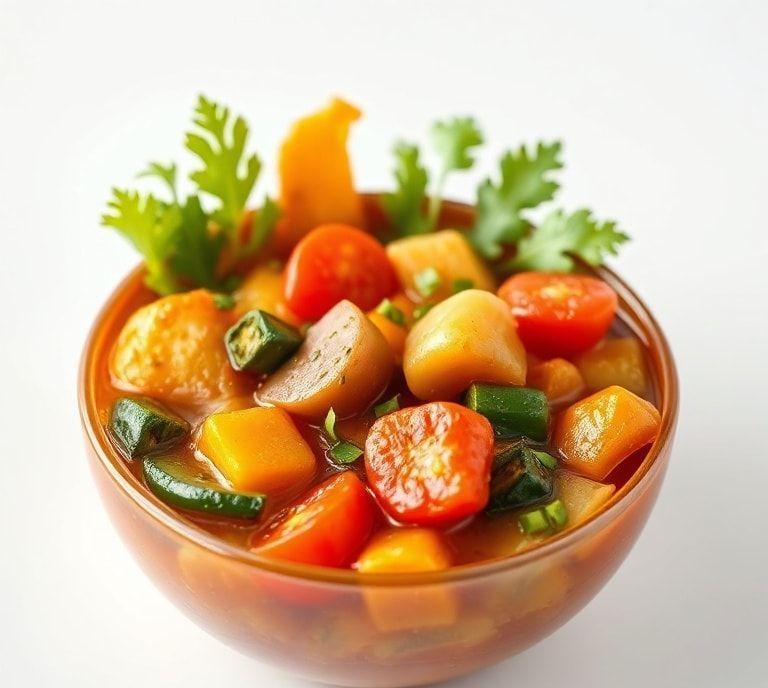
There’s no mystery in creating a vegetarian boil that packs a punch in both flavor and texture. The best part? It’s completely customizable based on what’s in season, what you’re craving, or what you’ve got lying around in the pantry. But at the heart of every great vegetarian boil are a few key elements: fresh vegetables, bold seasonings, and a simmering broth that ties it all together. Think of it like a vegetable stew-but with a fun, interactive twist.
Ingredients Needed
Before we get started, let’s take a moment to talk about the ingredients. You’ll want a mix of hearty vegetables, flavorsome seasonings, and a liquid base that brings it all together. Here’s what I recommend:
- Baby Potatoes: Small but mighty. Their tender skin and creamy texture hold up well in a boil. If you can get your hands on new potatoes, even better.
- Corn on the Cob: Cut into halves or thirds. The sweetness of the corn adds a lovely contrast to the savory broth.
- Carrots: Use larger carrots and slice them into thick rounds. They’ll absorb the broth’s flavors while maintaining their slight crunch.
- Mushrooms: I prefer cremini mushrooms, but you can go with any type you like. They soak up the flavors beautifully and provide that umami punch.
- Onions: Yellow onions are ideal here, as they soften up perfectly and offer a subtle sweetness when cooked in the broth.
- Garlic: A few cloves, smashed. Garlic brings depth to the broth and a little zing to balance out the sweetness of the veggies.
- Lemon: A couple of wedges for serving, to brighten up the richness of the dish at the end.
- Herbs and Spices: Old Bay seasoning, smoked paprika, thyme, bay leaves, and a good sprinkle of cayenne pepper (if you like heat) are essential. Don’t skimp on the seasoning; this is where the flavor comes from.
Cooking Instructions
Now that you have your ingredients lined up, let’s dive into the cooking process. It’s as simple as it is satisfying.
- Prepare the Vegetables: First, scrub your potatoes and chop them into halves or quarters depending on their size. Slice your carrots into thick rounds and cut the corn into 2-3 pieces. Slice the onion into wedges and roughly chop the garlic cloves. Set everything aside in separate piles so they’re easy to throw into the pot.
- Make the Broth: In a large stockpot, bring about 4-5 cups of water to a boil. Once it’s bubbling away, add your Old Bay seasoning, smoked paprika, thyme, bay leaves, garlic, and a pinch of salt. Stir to combine and let it simmer for a few minutes. You want the flavors to meld before you add the vegetables.
- Cook the Potatoes and Corn: Start by adding the potatoes and corn to the pot. Let them cook for about 10-12 minutes or until they begin to soften. It’s important to start with these vegetables since they take the longest to cook.
- Add the Carrots and Mushrooms: After the potatoes and corn have had a head start, it’s time to add the carrots and mushrooms. Let them simmer for another 8-10 minutes, checking for tenderness as you go. You want everything to be cooked through but not mushy.
- Finish with Lemon: When the vegetables are tender, taste the broth. If it needs a little extra kick, add a squeeze of lemon juice. This will bring out the flavors of the seasonings and balance the richness.
- Serve and Enjoy: Remove the pot from the heat and serve your boil family-style, letting everyone dig in and enjoy the flavors together. You can serve it with extra lemon wedges on the side for a fresh burst of brightness.
Ingredient Science Spotlight
When cooking a dish like this, understanding how the ingredients work together really takes it to the next level. Let’s talk about some of the science behind the magic.
- Potatoes: Potatoes have a starch content that makes them great at soaking up the liquid they’re cooked in. This means that once they’re boiled in the seasoned broth, they’ll absorb all those lovely flavors, making every bite full of savory goodness. The skin helps keep the starch inside, ensuring they stay firm but creamy when cooked just right.
- Corn: Corn’s natural sugars intensify when boiled, which is why they’re such a treat when cooked in a flavorful broth. The sugars get caramelized just a little, adding a sweetness that contrasts beautifully with the savory elements in the dish.
- Mushrooms: Mushrooms contain a natural glutamate, the same compound that gives foods like soy sauce and tomatoes their savory umami flavor. When cooked, mushrooms release this glutamate into the broth, enriching the overall taste and adding a hearty depth.
- Herbs and Spices: The power of seasoning can’t be understated. Old Bay, smoked paprika, and thyme are packed with compounds that enhance the taste of the vegetables and make the broth almost addictive. The key is layering the seasonings-giving them time to meld together as the broth simmers, so that each bite bursts with complexity.
Expert Tips
- Don’t Skip the Broth: The broth is what ties this dish together, so make sure to spend time seasoning it properly. A great boil depends on the balance of salt, heat, and aromatic flavors, so taste and adjust throughout the process.
- Add Heat to Taste: If you love a little spice, don’t be afraid to add some cayenne pepper or a splash of hot sauce toward the end of cooking. Just remember, it’s easier to add heat than to take it away, so go slow and taste as you go.
- Use a Lid: A lid on the pot can help the flavors meld faster and keep the temperature consistent. Just be careful not to overcook your vegetables. Keep an eye on the clock to prevent that mushy situation.
- Cooking Time Variations: Keep in mind that cooking times can vary depending on the size of your vegetable pieces and the exact heat level. Just keep testing as you go-potatoes should be fork-tender, and carrots should offer a little resistance when bitten.
Recipe Variations
One of the best things about a vegetarian boil is how customizable it is. Here are a few variations you can try depending on your tastes:
- Add More Protein: You can bulk up your vegetarian boil by adding plant-based proteins like chickpeas, tofu, or tempeh. If you’re feeling adventurous, add some vegan sausages or even a handful of nuts like cashews for some crunch and protein.
- Switch Up the Veggies: Seasonal vegetables are a great way to keep the dish interesting. Try swapping in cauliflower, zucchini, or sweet potatoes for a new twist. You can even throw in some leafy greens like kale or spinach towards the end for an extra dose of vitamins.
- Spicy Garlic Butter: If you’re craving something richer, serve your boil with a spicy garlic butter sauce on the side. Melt some vegan butter with garlic, red pepper flakes, and fresh herbs for an extra indulgent finish.
Final Words
Creating a vegetarian boil is all about simplicity with soul. It’s a dish that brings people together, makes your house smell incredible, and leaves you feeling satisfied without ever being too heavy. Whether you make it for a special occasion or just to brighten up a weeknight, there’s something incredibly satisfying about a bowl full of perfectly seasoned vegetables, each bite bursting with flavor. And of course, the joy of digging in with friends or family-hands messy, laughter filling the air-is part of the magic.
FAQs
What Vegetables Are Commonly Used In A Vegetarian Boil Recipe?
A typical vegetarian boil recipe features a mix of hearty vegetables such as potatoes, corn on the cob, carrots, bell peppers, and onions. Additionally, you may include mushrooms, zucchini, and tomatoes for added flavor and texture. Some variations also incorporate fresh herbs like parsley and thyme.
How Do I Season A Vegetarian Boil?
Seasoning a vegetarian boil is essential for enhancing the flavors of the vegetables. Common seasonings include Old Bay seasoning, garlic powder, paprika, cayenne pepper, salt, and black pepper. You can also add fresh lemon juice, melted butter, or olive oil for richness and zest. Customize the seasoning to suit your preference, keeping in mind that the broth can be infused with aromatic herbs like rosemary or bay leaves.
Can I Make A Vegetarian Boil Ahead Of Time?
Yes, you can prepare a vegetarian boil ahead of time. To do so, cook the vegetables and seasonings, then allow them to cool before refrigerating. When you’re ready to serve, simply reheat the boil in a pot on the stove or in the oven until warmed through. However, it’s best to avoid reheating the boil multiple times to maintain the freshness and texture of the vegetables.