Cooking, to me, has always been about more than just following instructions-it’s a chance to connect with flavors, with memories, and sometimes even with places. Soba noodles, for instance, hold a special place in my heart. Every time I cook them, I’m transported back to a small Japanese café I visited in Kyoto years ago. The simplicity of the dish-earthy, nutty, fresh-reminds me of how food can tell stories, evoke emotions, and serve as a bridge between cultures.
Now, while traditional soba recipes often contain meat or fish, I’ve always been drawn to the versatility of plant-based dishes, especially when the ingredients themselves shine so brightly. Soba noodles, made from buckwheat, have such a deep, wholesome flavor that they don’t need much more than a handful of vibrant vegetables to make them sing. Whether you’re a seasoned vegetarian or just looking to try something new, this vegetarian soba noodle recipe will satisfy your cravings without sacrificing flavor or texture.
Soba Noodle Vegetarian Recipe
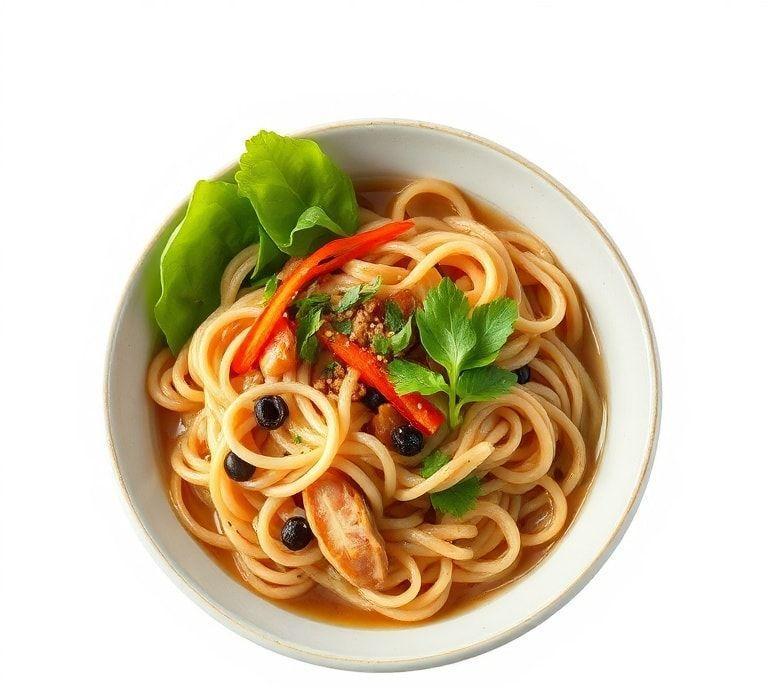
There’s something uniquely comforting about a bowl of soba noodles-warm, inviting, and just the right kind of satisfying. The cool part about a vegetarian version is that it lets the noodles themselves shine, and you can personalize it with whatever vegetables you have on hand. This isn’t just about tossing some noodles in a pot; it’s about crafting a dish where each element complements the next. So, let’s get down to the nitty-gritty of making a delicious vegetarian soba noodle recipe that you’ll want to return to time and again.
Ingredients Needed
- Soba noodles: The star of the show. I always go for buckwheat soba noodles because of their nutty flavor and chewy texture. You can find them in most grocery stores these days, but always check the label for authenticity-some are made with refined wheat flour, which doesn’t have the same depth.
- Carrots: Shredded or julienned, carrots bring a nice crunch and a hint of sweetness that balances the other savory elements in the dish.
- Cucumbers: Thinly sliced for a refreshing crunch. If you’ve never tried raw cucumber with soba, it might sound strange, but the freshness cuts through the richness of the soy-based sauce beautifully.
- Shitake mushrooms: These mushrooms have an earthy umami flavor that pairs perfectly with the buckwheat noodles. If you can’t find them, you can sub with any mushroom variety, but I swear by shitake.
- Garlic and ginger: A must for aromatics. They bring that signature depth and warmth that elevate the dish.
- Sesame oil: For that rich, toasted flavor that just makes everything come together.
- Soy sauce or tamari: For the savory, salty backbone of the dish. Tamari is a great gluten-free option if needed.
- Rice vinegar: Just a splash for that subtle tanginess that lifts the dish.
- Green onions: These not only add a pop of color but a light, crisp bite that contrasts beautifully with the other ingredients.
- Sesame seeds: A finishing touch. Toasted sesame seeds bring a delicate nutty crunch that’s absolutely divine.
Cooking Instructions
- Cook the soba noodles: Start by bringing a large pot of water to a boil. Add a generous pinch of salt (it helps season the noodles as they cook). Drop in your soba noodles and cook them according to the package instructions, usually about 4-5 minutes. You want them tender but still slightly chewy. Drain and rinse them under cold water to stop the cooking process and prevent them from sticking.
- Prepare your veggies: While the noodles are cooking, you can prep your veggies. Julienne the carrots, slice the cucumbers thinly, and slice the mushrooms. You can sauté the mushrooms for 2-3 minutes in a hot pan with a little sesame oil if you want them softened, or leave them raw for a more crisp texture-your choice.
- Make the sauce: In a small bowl, whisk together soy sauce (or tamari), sesame oil, rice vinegar, a clove of minced garlic, and a little grated ginger. Taste it-this is where you adjust the balance of flavors. Add a touch of honey or maple syrup if you like a little sweetness.
- Toss it all together: Once the noodles are cool and your veggies are ready, toss everything together in a large bowl. Add the sauce and mix well, ensuring the noodles are well coated and all the vegetables are evenly distributed.
- Serve and garnish: Finally, garnish with chopped green onions, toasted sesame seeds, and maybe even a little extra sesame oil for that final touch of richness.
Ingredient Science Spotlight
When I think about the ingredients in this dish, I’m reminded of how much thought nature has put into each one. Take buckwheat, for example, the base of soba noodles. While it’s often confused with wheat, it’s actually gluten-free and full of nutrients like protein, fiber, and antioxidants. Buckwheat is also rich in rutin, a compound that helps support vascular health and has anti-inflammatory properties.
Then there’s ginger, which is a powerhouse when it comes to digestive health. Not only does it add a lovely warmth to the dish, but it also helps with nausea, reduces inflammation, and can even alleviate muscle pain. Paired with garlic, which has natural antibacterial and immune-boosting properties, this dish becomes more than just a meal; it’s almost like a little bowl of wellness.
Sesame seeds, another key component, are packed with healthy fats, vitamins, and minerals like calcium and magnesium. These little seeds add a delightful crunch but also bring a dose of heart-healthy nutrients to the table.
Expert Tips
- Don’t overcook the noodles: Soba noodles can become mushy if overcooked. Keep an eye on them and err on the side of undercooking, since they’ll continue to soften slightly after draining.
- Experiment with textures: Raw veggies are great for crunch, but if you want something more comforting, try lightly sautéing your carrots or cucumbers in sesame oil. It’ll bring out their sweetness.
- Use high-quality soy sauce: The soy sauce really makes or breaks the flavor profile of this dish. Choose a high-quality, low-sodium variety for the best taste without being overwhelmed by saltiness.
- Serve cold or warm: Soba noodles can be served chilled, making this a fantastic dish for warm weather, but if you prefer, you can enjoy it slightly warm as well. Both versions work wonderfully.
- Tweak the sauce: If you like more tang, add a splash more vinegar. If you like things on the sweeter side, a little more honey or maple syrup can make a big difference.
Recipe Variations
- Add tofu: For some extra protein, crispy tofu is an excellent addition. Just press the tofu, cube it, and fry it until golden and crispy for that satisfying texture contrast.
- Spicy kick: If you like heat, add a few slices of fresh chili or a dash of chili oil to the sauce. This adds a nice spicy depth without overpowering the dish.
- Nori or seaweed: For an added layer of umami, sprinkle some shredded nori or wakame seaweed over the top. It complements the buckwheat noodles perfectly.
- Miso: For a more robust, umami-forward version of the sauce, you could incorporate a spoonful of miso paste into the dressing. This will give the dish a deeper flavor profile.
Final Words
This vegetarian soba noodle recipe is one of those dishes that’s as adaptable as it is delicious. It’s got the versatility to be your go-to meal for any day of the week, whether you’re feeding a crowd or just looking for a quick, satisfying dinner. The beauty lies in its simplicity-each ingredient adds something distinct, and the sum of the parts is truly greater than the whole.
You can make it your own, adjusting flavors and textures to suit your preferences. It’s one of those dishes that feels both nourishing and light, and yet deeply satisfying at the same time.
FAQs
What Are The Main Ingredients For A Soba Noodle Vegetarian Recipe?
The main ingredients for a soba noodle vegetarian recipe typically include soba noodles (made from buckwheat flour), a variety of vegetables such as carrots, cucumbers, bell peppers, and spinach, as well as a flavorful dressing made with soy sauce, sesame oil, rice vinegar, and sometimes a touch of honey or maple syrup. Tofu or tempeh can also be added for protein, and garnishes like sesame seeds or green onions can enhance the flavor.
Can Soba Noodles Be Served Hot Or Cold In A Vegetarian Recipe?
Yes, soba noodles can be served either hot or cold in a vegetarian recipe. When served hot, they are typically incorporated into soups or stir-fries. Cold soba noodles are commonly served in chilled salads or as a refreshing dish during warmer months, often paired with a tangy dipping sauce. Cold soba is popular in Japanese cuisine, particularly as “zaru soba”, where the noodles are served with a soy-based dipping sauce.
Is Soba Noodle Vegetarian Recipe Gluten-free?
Traditional soba noodles are made primarily from buckwheat flour, which is naturally gluten-free. However, many commercially available soba noodles are mixed with wheat flour, so they may contain gluten. To make a gluten-free soba noodle vegetarian recipe, it is important to use 100% buckwheat soba noodles, which can be found in specialty stores or labeled as gluten-free. Always check the packaging for ingredient details if gluten is a concern.