
Spaghetti may be synonymous with Italy, but the beauty of cooking lies in its universality. It’s one of those dishes that can be personalized and transformed by any culture, any spice, and any set of ingredients. When we think of Indian flavors, we often think of rich curries, hot biryanis, and fluffy naan. But why not combine the two worlds of Italian pasta and Indian spices to create something extraordinary? If you’re ready for an adventurous twist on the classic spaghetti, this vegetarian Indian-inspired spaghetti recipe will take your taste buds on a journey.
I first stumbled upon this dish when I was experimenting with ways to bring together my two favorite cuisines. I had some leftover spaghetti in the kitchen and a craving for Indian spices. The result was a spicy, fragrant dish with a comforting familiarity-the perfect fusion of Italian and Indian. That one-pot dinner quickly became a weeknight favorite, and it was so easy to prepare that I ended up making it more than I care to admit.
So, let’s dive into this creative spin on pasta. It’s hearty, packed with flavors, and takes you straight into the heart of an Indian kitchen-all with the simplicity of spaghetti.
Spaghetti Vegetarian Indian Recipe
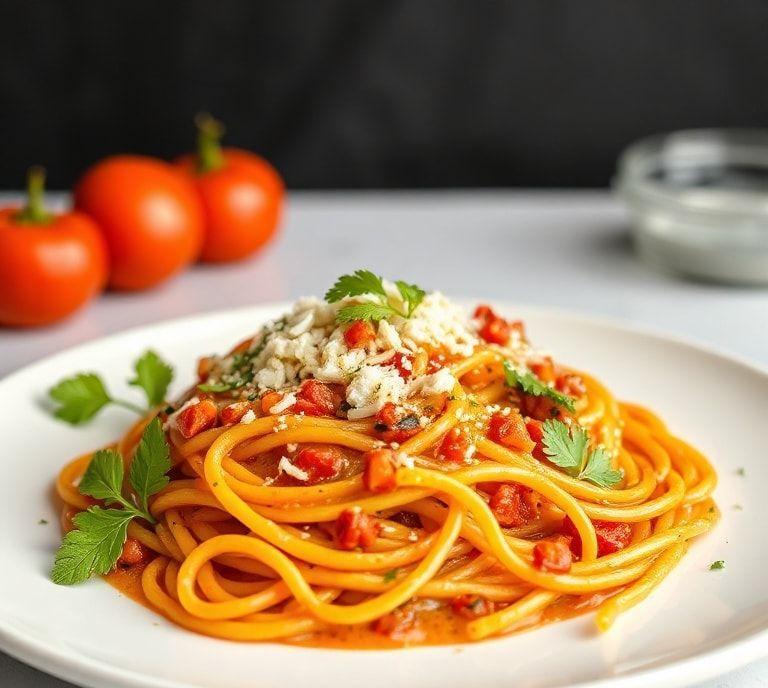
When you combine the simplicity of spaghetti with the complex layers of Indian spices, magic happens. In this recipe, we’ll pair al dente pasta with aromatic ingredients like cumin, coriander, turmeric, and garam masala, which come together in the most delicious way. What I love most about this dish is that it’s vegetarian, making it a perfect option for those looking for a lighter meal, or anyone who wants to cut down on meat without sacrificing flavor.
Ingredients Needed
Here’s everything you need for this savory twist on spaghetti:
- 200g spaghetti – You can use whole wheat or gluten-free if needed. The pasta should be cooked al dente.
- 1 tablespoon vegetable oil – For sautéing the spices.
- 1 small onion, finely chopped – The base of any good curry starts with onions. They add sweetness and depth of flavor.
- 2 garlic cloves, minced – Garlic is a key player in Indian cooking. It adds a rich, aromatic quality to the dish.
- 1-inch piece of ginger, grated – Fresh ginger gives that warm, slightly spicy kick.
- 1 medium tomato, chopped – Tomatoes bring acidity and balance out the richness of the spices.
- 1 teaspoon cumin seeds – The first spice you’ll toast to release its smoky, earthy flavor.
- 1 teaspoon coriander powder – Coriander adds a citrusy note to the dish.
- 1/2 teaspoon turmeric powder – A pinch of turmeric gives a lovely golden color and a subtle earthiness.
- 1 teaspoon garam masala – This iconic Indian spice blend adds complexity and warmth.
- 1/2 teaspoon chili powder (adjust to taste) – For that spicy heat. You can go mild or make it hot, depending on your tolerance!
- 1 cup mixed vegetables (carrot, peas, bell peppers) – Feel free to use whatever you have on hand, and don’t forget the color! The veggies bring both texture and nutrition.
- 1/2 cup coconut milk – This is optional but it adds a creamy richness and balances out the heat.
- Salt to taste
- Fresh cilantro (coriander) leaves – A sprinkle on top for freshness and a pop of green.
Cooking Instructions
- Cook the Spaghetti: Start by cooking your spaghetti according to the package instructions. Aim for an al dente texture, as it’ll hold up well when we mix it with the spices later. Once done, drain and set it aside, tossing it lightly with some olive oil to prevent sticking.
- Prepare the Spices: In a large pan or wok, heat the vegetable oil over medium heat. Add the cumin seeds and allow them to sizzle for about 30 seconds. This is where the magic begins-just the smell of those cumin seeds toasting is enough to transport you to an Indian kitchen.
- Sauté the Aromatics: Add the chopped onion to the pan and sauté until it turns golden brown. Then, throw in the minced garlic and grated ginger. Sauté for another 2 minutes, allowing all those flavors to blend together. You want your kitchen to smell irresistible at this point.
- Add Tomatoes and Spices: Toss in the chopped tomato, and cook until it softens and becomes a bit saucy. Now, add in the ground coriander, turmeric, garam masala, chili powder, and salt. Stir everything together to create a fragrant spice base. The turmeric and garam masala will make your kitchen smell warm and inviting.
- Add Vegetables: Add the mixed vegetables into the pan. Cook for 5-7 minutes, until they soften but still have a bit of bite. You can cover the pan to help them cook faster if needed.
- Finish the Dish: Now it’s time to add the coconut milk. Stir it in gently to create a creamy sauce. Let it simmer for a few minutes so all the flavors can meld together. If you don’t have coconut milk, you can always use a bit of cream or yogurt for a tangier finish.
- Combine with Spaghetti: Add the cooked spaghetti to the pan, tossing it gently so that every strand is coated in that beautiful, spiced sauce. The pasta will soak up the flavors of the spices and the coconut milk, creating a harmonious fusion of two cuisines.
- Garnish and Serve: Garnish with fresh cilantro leaves and serve hot. You can also sprinkle some crushed peanuts or cashews on top for crunch if you like.
Ingredient Science Spotlight
Let’s break down a couple of the ingredients and understand why they work so well together in this recipe:
- Cumin Seeds – Cumin is a staple in Indian cooking because of its earthy, slightly smoky flavor. When toasted, cumin seeds release their essential oils, creating a fragrant aroma that elevates any dish. They pair perfectly with the other spices like coriander and garam masala.
- Coconut Milk – The addition of coconut milk is key in balancing out the heat and richness of the spices. It adds a creamy, slightly sweet undertone that mellows out the spices without making the dish too heavy. Plus, it helps to create a silky texture that clings beautifully to the pasta.
- Garam Masala – This warming blend of spices (usually made up of cinnamon, cloves, cardamom, and nutmeg) is what gives Indian dishes that deep, comforting flavor. It’s not just a spice, but a story-a culmination of flavors that define the heart of Indian cuisine.
Expert Tips
- Don’t Overcook the Spaghetti: Be sure to cook the pasta until just al dente. It will finish cooking when combined with the sauce, so you don’t want it to get mushy.
- Spice Level Adjustments: If you’re not a fan of spicy food, start with just a pinch of chili powder. You can always adjust later, but it’s harder to tone it down once it’s too hot.
- Use Fresh Vegetables: The fresher your vegetables, the more vibrant and flavorful your dish will be. You can swap in whatever veggies are in season-zucchini, spinach, or even eggplant would work wonderfully.
- Make it a One-Pot Dish: For ease and minimal cleanup, try cooking the pasta and the curry base in the same large pot. Just be sure to keep an eye on the pasta so it doesn’t overcook.
Recipe Variations
- Protein Boost: If you’d like to add some protein to this dish, try tossing in some paneer cubes, tofu, or even chickpeas. These options soak up the spices beautifully and will make the dish heartier.
- Spaghetti Alternatives: Swap the spaghetti with another pasta shape like penne or fusilli. Or, for a gluten-free option, try rice noodles or zucchini noodles for a lighter version.
- Add More Heat: If you love the heat, add chopped green chilies along with the garlic and ginger. The extra kick will make the dish more authentic and fiery.
Final Words
There’s something deeply satisfying about blending flavors from two different parts of the world. This vegetarian Indian spaghetti dish is a perfect example of how you can think outside the box and play with ingredients in ways that feel both familiar and novel. Whether you’re craving Indian spices or pasta for dinner, this recipe allows you to enjoy the best of both worlds in one bite.
FAQs
What Are The Essential Ingredients For A Spaghetti Vegetarian Indian Recipe?
A basic spaghetti vegetarian Indian recipe typically includes spaghetti pasta, vegetables like bell peppers, onions, tomatoes, spinach, or peas, and a variety of Indian spices such as cumin, coriander, turmeric, garam masala, and chili powder. Additionally, ingredients like garlic, ginger, and cilantro are used to enhance flavor, and ghee or vegetable oil can be used for cooking.
Can I Make A Spicy Spaghetti Vegetarian Indian Dish?
Yes, you can make a spicy vegetarian Indian spaghetti by adjusting the amount of chili powder, fresh green chilies, and garam masala. To make it more flavorful and spicy, you can also add curry leaves, mustard seeds, or even a pinch of red chili flakes. The level of heat can be tailored to your preference, balancing it with the richness of the sauce or vegetables.
What Variations Can I Try For A Healthier Version Of Spaghetti Vegetarian Indian Recipe?
To make a healthier version of a spaghetti vegetarian Indian recipe, you can opt for whole wheat or gluten-free spaghetti instead of regular pasta. Adding a variety of colorful vegetables, such as carrots, zucchini, and cauliflower, will increase the nutritional value. You can also replace ghee with olive oil for a lighter option and reduce the amount of added sugar or salt. Adding protein-rich ingredients like tofu or paneer can also enhance the dish’s nutritional profile.