
White lasagna might not have the same immediate fanfare as its red sauce counterpart, but I’m convinced it has a charm all its own. The creamy, dreamy layers of cheese and béchamel sauce offer a comfort that no tomato-based lasagna can quite replicate. And when you take it up a notch by going vegetarian, you’re adding even more richness and depth to an already indulgent dish.
I remember the first time I made a vegetarian white lasagna. It was a chilly evening in late fall, and I was trying to impress a group of friends who were all pretty particular about their food preferences. I had just gotten into cooking and was feeling adventurous, wanting to experiment with a twist on the classic. The results? Well, let’s just say I’ve never heard so many compliments in one evening. It was creamy, packed with fresh veggies, and totally satisfying. Now, whenever I crave something hearty and comforting, this dish is at the top of my list.
The best part about making this lasagna is how customizable it is, making it perfect for anyone, whether you’re a full-fledged vegetarian, just looking to cut down on meat, or someone who loves a good veggie-packed dish. If you haven’t tried it yet, I promise this recipe is going to change the way you think about lasagna. So, let’s dive in!
Vegetarian White Lasagna Recipe
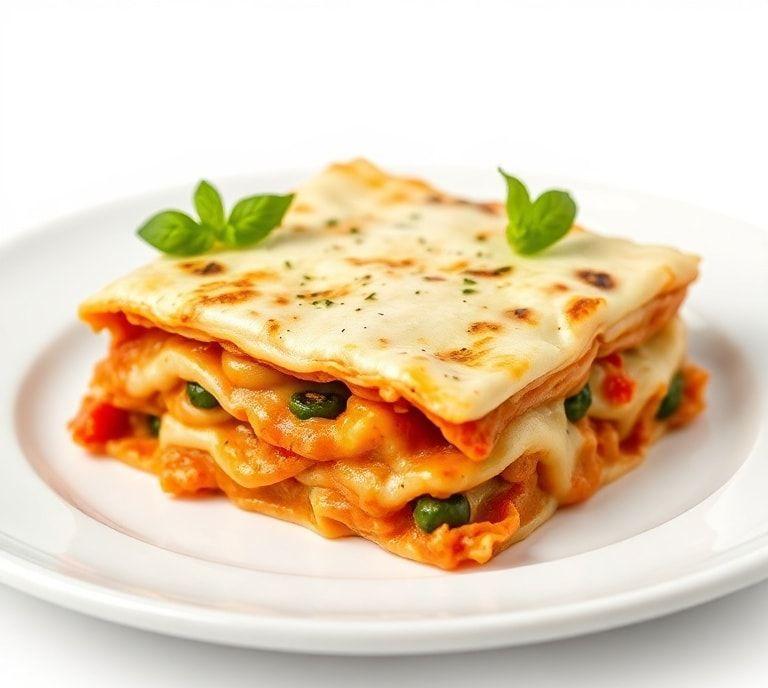
When I’m craving something creamy but want to keep it on the lighter side, this vegetarian white lasagna does the trick. It’s made with a rich béchamel sauce, loads of fresh vegetables, and gooey layers of cheese. There’s no meat here, but the texture and flavor are still totally satisfying. Plus, it’s a great way to sneak in extra veggies, especially for those who think they don’t like them!
Ingredients Needed
Here’s what you’ll need to get started. This list is packed with fresh ingredients and a few pantry staples that combine into the perfect vegetarian lasagna.
For The Béchamel Sauce
- Butter: The base of your sauce. It provides that rich, creamy texture.
- Flour: This is what helps thicken the sauce, giving it that smooth, velvety consistency.
- Milk: Whole milk is my go-to for this, but you can use a non-dairy alternative if you prefer.
- Nutmeg: A pinch of nutmeg in a white sauce is almost magical. It adds a warm, comforting note without overpowering the other flavors.
- Salt and pepper: To season the sauce to perfection.
For The Lasagna Layers
- Lasagna noodles: I usually go for the no-boil kind because, well, who needs an extra step when you don’t have to? But you can use regular lasagna noodles if that’s your preference.
- Ricotta cheese: This gives a slightly sweet, creamy filling between the layers of pasta.
- Mozzarella cheese: It wouldn’t be lasagna without mozzarella, right? It adds that melt-in-your-mouth gooey goodness.
- Parmesan cheese: A little sharpness from parmesan helps balance the richness of the other cheeses.
- Spinach: Fresh spinach is a perfect green to layer in lasagna. It wilts beautifully and adds a bright contrast to the richness of the sauce.
- Mushrooms: Mushrooms add a deep, earthy flavor that feels hearty, almost like meat.
- Zucchini: A great way to add moisture and a subtle sweetness to the lasagna without overwhelming the other flavors.
- Onions and garlic: They’re the foundation of flavor for any savory dish. They provide a delicious base for the other vegetables.
- Olive oil: For sautéing the vegetables and bringing everything together.
Cooking Instructions
Now, let’s get into the fun part: the cooking! It’s actually a lot simpler than it sounds once you break it down into steps.
- Make the Béchamel Sauce: Start by melting the butter in a saucepan over medium heat. Once it’s melted, whisk in the flour to form a paste, cooking it for a minute or two to get rid of the raw flour taste. Slowly pour in the milk, whisking constantly to avoid lumps. Continue to cook, whisking often, until the sauce thickens to the consistency of heavy cream. Stir in a pinch of nutmeg, and season with salt and pepper to taste. Set aside.
- Prep the Vegetables: Heat a tablespoon of olive oil in a large skillet over medium heat. Add the onions and garlic and sauté until they’re soft and fragrant, about 2-3 minutes. Next, add the mushrooms and zucchini and cook until they’re tender and any moisture from the mushrooms evaporates. Lastly, add the spinach and cook just until it wilts. Season the vegetables with a little salt and pepper and set them aside.
- Assemble the Lasagna: Preheat your oven to 375°F (190°C). In a 9×13 baking dish, spread a thin layer of béchamel sauce on the bottom. Place your first layer of lasagna noodles on top. Spread a layer of ricotta cheese, followed by a layer of the sautéed vegetables. Add a generous spoonful of béchamel sauce on top of the vegetables, then sprinkle with mozzarella and parmesan. Repeat the layers, finishing with a layer of noodles, béchamel sauce, and a generous topping of mozzarella and parmesan.
- Bake: Cover the lasagna with aluminum foil and bake for 30 minutes. Then, remove the foil and bake for another 10-15 minutes, until the top is golden and bubbly. Let the lasagna sit for 10-15 minutes before serving, so the layers set and it’s easier to cut.
Ingredient Science Spotlight
Have you ever wondered why white sauces like béchamel feel so creamy and smooth in your mouth? The science behind it is pretty cool. The key to a smooth, creamy béchamel sauce is the process of making a roux (a mixture of butter and flour). The flour helps to thicken the sauce by binding with the milk proteins, and the fat in the butter makes everything silky and rich. The nutmeg is also an interesting addition-it’s actually a natural flavor enhancer, which is why just a small pinch transforms the sauce into something extra special.
The vegetables in this lasagna are also packed with nutrients that not only contribute to the flavor but also provide a nice balance of texture. Mushrooms have a meaty quality, which gives a savory depth to the dish, while spinach adds a fresh, slightly bitter note. Zucchini, on the other hand, helps balance the richness with its subtle sweetness and moisture.
Expert Tips
- Don’t Skip the Resting Time: Letting the lasagna sit after baking is key. It allows the layers to firm up, making it much easier to slice and serve. I know it’s tempting to dig in right away, but patience here is a game-changer.
- Use Fresh Herbs: If you have fresh basil, thyme, or oregano on hand, toss a few sprigs in with your vegetables for a burst of herbaceous flavor. It’ll elevate the dish and bring some freshness to all that creaminess.
- Be Creative with Veggies: You don’t have to stick with just spinach, zucchini, and mushrooms. Roasted butternut squash or eggplant would make delicious additions. You can even swap in some kale for spinach if you want a heartier green.
- Make Ahead: This lasagna holds up great in the fridge and can be made a day or two ahead of time. In fact, I think the flavors meld together even better after a day or two.
- Freeze for Later: If you’re making a batch to freeze, assemble the lasagna as usual, but leave off the final layer of cheese until you’re ready to bake it. This will help the lasagna freeze better and keep the cheese from getting weird when reheated.
Recipe Variations
While the classic vegetarian white lasagna is already pretty delicious, there are tons of ways to play around with the recipe. Here are a few variations that I’ve tried (and loved):
- Add a Layer of Roasted Vegetables: If you’ve got a bit of extra time, roasting vegetables like bell peppers, carrots, or squash before layering them into the lasagna will bring out their natural sweetness and create a smoky depth of flavor.
- Make it Vegan: For a fully plant-based version, swap the dairy for non-dairy alternatives. Use vegan ricotta, almond milk for the béchamel, and a plant-based mozzarella. You’ll still get that creamy texture, but it’ll be 100% vegan.
- Use Fresh Ricotta: If you can find fresh ricotta, go for it. It’s much lighter and fluffier than the store-bought kind, and it adds a lovely freshness to the dish.
Final Words
Vegetarian white lasagna might not be the first thing you think of when it comes to comfort food, but I guarantee once you try it, it will become a regular in your kitchen. Whether you’re making it for a special occasion or just as a cozy weeknight dinner, it’s one of those dishes that feels both indulgent and wholesome at the same time.
And what’s better than knowing you’ve packed a whole bunch of veggies into something that’s this comforting? The creaminess of the béchamel, the layers of cheese, and the pop of fresh vegetables create something magical.
FAQs
What Ingredients Are Typically Used In A Vegetarian White Lasagna?
A vegetarian white lasagna usually includes lasagna noodles, ricotta or cottage cheese, mozzarella cheese, Parmesan cheese, béchamel or white sauce, and a variety of vegetables such as spinach, zucchini, mushrooms, and bell peppers. Garlic, onions, and herbs like basil or thyme are often added for flavor.
Can I Make A Vegetarian White Lasagna Ahead Of Time?
Yes, vegetarian white lasagna can be prepared ahead of time. You can assemble the lasagna and store it in the refrigerator for up to 24 hours before baking. For longer storage, it can be frozen before or after baking. When freezing, wrap it tightly in plastic wrap and foil, and bake it from frozen or thawed according to the recipe instructions.
How Can I Make A Vegetarian White Lasagna Healthier?
To make a healthier version, you can use whole wheat or gluten-free lasagna noodles, reduce the amount of cheese, and use low-fat or part-skim cheeses. Incorporating a larger proportion of vegetables and using a homemade béchamel sauce with low-fat milk can also reduce calories and fat while maintaining flavor and creaminess.