I’ll never forget the first time I tried making a noodle bowl at home. It was a rainy Sunday afternoon, and I was craving something warm, comforting, and somehow a little adventurous. I didn’t want anything heavy, but I wanted layers of flavor that would make me forget the dreary weather outside. That day, I stumbled upon a combination of ingredients in my pantry and fridge, threw them together, and something magical happened-I had created my very own vegetarian noodle bowl that was bursting with flavor, texture, and color.
Since then, noodle bowls have become my go-to for a quick, wholesome meal. They’re endlessly customizable, cozy enough for solo dinners, and impressive enough for friends when you feel like flexing your culinary skills. In this recipe, I’ll guide you step by step, sharing little insights about the ingredients and the cooking process that make a simple noodle bowl feel like a gourmet treat.
Noodle Bowl Vegetarian Recipe
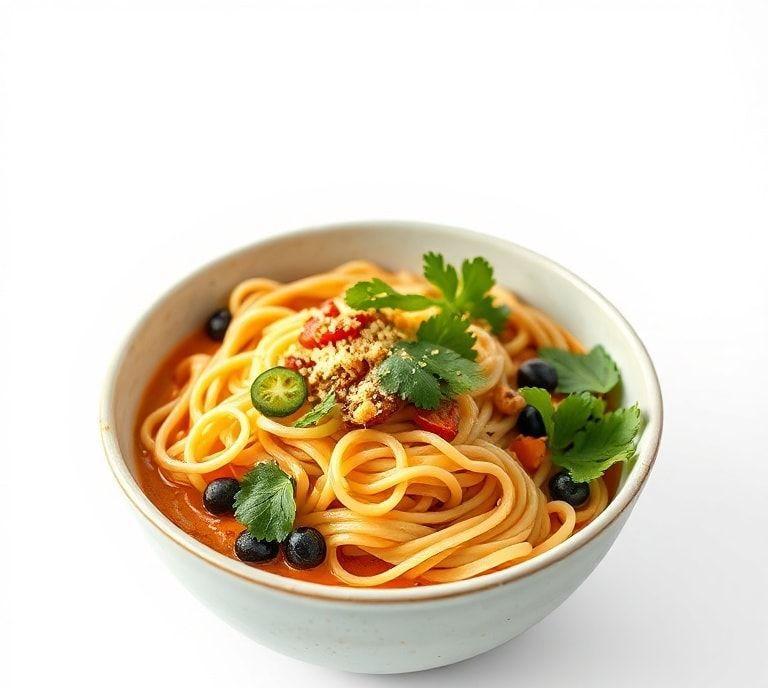
This noodle bowl is layered with earthy mushrooms, crisp vegetables, tender noodles, and a savory-sweet sauce that brings everything together. It’s vegetarian, but hearty enough to satisfy anyone-even the most skeptical meat lovers. It’s the kind of dish that feels both indulgent and nourishing, perfect for a weeknight dinner or a lazy weekend lunch.
Ingredients Needed
Here’s what you’ll need for a single large serving or two moderate portions:
- Noodles: 150g of rice noodles, soba noodles, or your favorite egg-free pasta.
-
Vegetables
- 1 small carrot, julienned
- 1 small zucchini, thinly sliced
- ½ red bell pepper, thinly sliced
- A handful of baby spinach or bok choy
- Mushrooms: ½ cup shiitake or cremini, sliced
- Protein: Optional tofu cubes (about 100g) or tempeh
-
Sauce
- 2 tablespoons soy sauce or tamari
- 1 tablespoon sesame oil
- 1 teaspoon maple syrup or honey
- 1 teaspoon rice vinegar
- 1 small clove garlic, minced
- ½ teaspoon fresh ginger, grated
-
Garnish
- Chopped scallions
- Sesame seeds
- Optional chili flakes for a little heat
A small confession: I often throw in whatever vegetables I have on hand. Once, I added roasted butternut squash to this bowl, and it transformed it into something almost autumnal, rich, and comforting.
Cooking Instructions
- Prepare the noodles: Follow the package instructions. I like to rinse them under cold water afterward to stop the cooking process and keep them from sticking.
- Cook the tofu (if using): Heat a teaspoon of sesame oil in a pan and sauté the tofu cubes until golden and slightly crisp on all sides. Remove and set aside.
- Sauté the vegetables: In the same pan, add a bit more sesame oil and cook the mushrooms first, letting them caramelize slightly. Then toss in the carrot, zucchini, and bell pepper. Sauté for 3-4 minutes, just until tender-crisp. Add spinach or bok choy at the very end-they only need a quick wilt.
- Mix the sauce: In a small bowl, whisk together soy sauce, sesame oil, maple syrup, rice vinegar, garlic, and ginger. Pour it over the sautéed vegetables and stir to coat everything evenly.
- Combine: Add the noodles and tofu back to the pan. Gently toss everything so the noodles soak up the sauce.
- Garnish and serve: Top with scallions, sesame seeds, and a pinch of chili flakes. Then take a moment to appreciate the colors and aromas-you’ve earned it.
Ingredient Science Spotlight
Here’s where things get a little nerdy but fascinating. Take ginger, for example. It contains compounds called gingerols, which aren’t just aromatic-they’re anti-inflammatory and can soothe your stomach. Then there’s sesame oil, which is rich in antioxidants and adds a nutty depth that instantly elevates a simple stir-fry. Even the humble carrot brings a powerhouse of beta-carotene, which your body converts into vitamin A. Understanding the science behind ingredients makes cooking feel like a small, daily alchemy experiment, and I love that.
Expert Tips
- Don’t overcook your noodles: I learned this the hard way once when soggy noodles nearly ruined a dinner party. Rinse with cold water and toss lightly in oil if you’re not serving immediately.
- Layer flavors: Sauté mushrooms first to extract their umami, then add vegetables in stages based on how long they need to cook.
- Balance the sauce: Taste as you go. If it’s too salty, add a splash of water or a pinch of sugar. Too sweet? A squeeze of lime juice works wonders.
Recipe Variations
- Spicy kick: Add sriracha or chopped fresh chilies to the sauce.
- Nutty crunch: Sprinkle roasted peanuts or cashews on top.
- Seasonal twist: Swap vegetables for whatever’s in season-think roasted pumpkin in fall or asparagus in spring.
- Protein swap: Chickpeas, seitan, or edamame make excellent alternatives to tofu.
Final Words
The beauty of this noodle bowl is that it’s forgiving. It’s flexible, forgiving, and endlessly adaptable, which is exactly why I love it. Sometimes I’m meticulous about knife cuts and presentation; other times, it’s a lazy ’dump everything in the pan’ affair. Either way, it always turns out comforting, satisfying, and full of flavor.
FAQs
What Ingredients Are Essential For A Vegetarian Noodle Bowl?
A vegetarian noodle bowl typically includes a combination of noodles (such as rice noodles, soba, or udon), a variety of fresh or cooked vegetables (like carrots, bell peppers, broccoli, and spinach), a protein source such as tofu, tempeh, or edamame, and flavorful additions like garlic, ginger, and green onions. A dressing or sauce, often based on soy sauce, sesame oil, or peanut butter, ties all the flavors together.
Can I Make A Noodle Bowl Vegetarian If A Recipe Calls For Meat Broth?
Yes, you can substitute any meat-based broth with vegetable broth or a combination of water and miso paste for added depth. You can also enhance the flavor by adding soy sauce, mushrooms, or seaweed to mimic the umami taste typically provided by meat broth.
How Can I Make A Vegetarian Noodle Bowl More Filling And Nutritious?
To make a noodle bowl more satisfying and nutrient-dense, include a variety of colorful vegetables, add plant-based proteins like tofu, tempeh, or chickpeas, and incorporate healthy fats such as avocado, sesame seeds, or a drizzle of nut-based sauce. Using whole-grain or high-protein noodles can also increase fiber and protein content, making the meal more balanced.