There’s something uniquely satisfying about making your own spreadable sausage at home. Nduja, the spicy, soft, spreadable pork sausage from the Calabria region of southern Italy, is an absolute revelation. Imagine the rich, smoky depth of flavor packed into a soft, spicy, and slightly tangy paste that you can spread over toast, swirl into pasta, or use as a topping for pizza. Now, imagine all of that flavor-but without the meat. That’s exactly what a vegetarian version of nduja offers.
I’ve always been someone who loves experimenting with traditional recipes. I grew up in a family where food was a way of expressing love, tradition, and creativity. When I first tried nduja, I was floored by how vibrant and flavorful it was. But being someone who tries to avoid meat, I started wondering if I could recreate the essence of nduja without the pork. After a few trials (and some inevitable kitchen mess-ups), I’ve come up with a vegetarian nduja recipe that still packs all the heat, flavor, and complexity of the original-without a single shred of meat.
In this post, I’ll walk you through the recipe step by step. Whether you’re a vegetarian, a flexitarian, or someone just looking to try something different, this vegetarian nduja will bring bold, delicious flavor to your dishes in a way you never expected.
Vegetarian Nduja Recipe
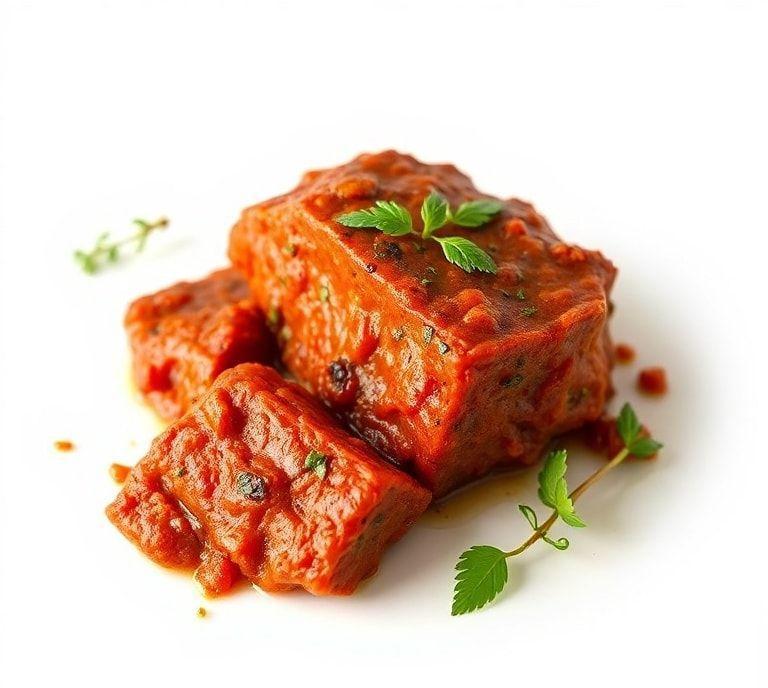
You might think that making a vegetarian version of nduja could be complicated. But really, it’s all about finding the right balance of flavors and textures. In place of the pork, we use a combination of ingredients that will mimic that fatty richness and smoky depth, but with plant-based alternatives. By using ingredients like smoked paprika, sun-dried tomatoes, and roasted red peppers, we can recreate that complex umami flavor you get from traditional nduja. The key is getting the right balance of heat, saltiness, and richness.
Here’s how I make my vegetarian nduja-it’s surprisingly easy, and the results are pretty spectacular.
Ingredients Needed
- 1 cup sun-dried tomatoes (preferably packed in oil, but drained)
- 1/2 cup roasted red peppers (jarred or fresh, if you prefer roasting your own)
- 2 tablespoons tomato paste
- 2 tablespoons smoked paprika (this is the key to getting that smoky depth)
- 1 teaspoon chili flakes (adjust according to your heat tolerance)
- 1/2 cup cooked chickpeas (for a creamy texture)
- 1/4 cup walnuts (or almonds, if you prefer a milder flavor)
- 2 tablespoons olive oil (use good-quality olive oil for the best results)
- 2 tablespoons apple cider vinegar (this gives it that tangy note that nduja has)
- Salt, to taste
Cooking Instructions
- Prepare the Ingredients: Start by soaking the sun-dried tomatoes in warm water for 10-15 minutes to soften them. Drain well and set them aside. If you’re using jarred roasted peppers, drain them and pat them dry.
- Blend the Base: In a food processor, combine the sun-dried tomatoes, roasted red peppers, and cooked chickpeas. Pulse until the mixture begins to break down into a paste-like consistency. You don’t want it to be too smooth-leave a bit of texture to mimic the grittiness of traditional nduja.
- Add the Smoky and Spicy Elements: Add the smoked paprika, chili flakes, walnut (or almond), and tomato paste to the food processor. Pulse again until everything is well incorporated.
- Emulsify: While blending, slowly drizzle in the olive oil to help create that smooth, spreadable consistency. Add the apple cider vinegar at this stage, too, and pulse until everything combines into a rich, spreadable paste.
- Season: Taste the mixture and add salt to your liking. I usually add a pinch or two, but you may want to adjust it based on your personal preferences.
- Cook: Transfer the mixture to a saucepan and cook over low heat for about 10 minutes. Stir occasionally. This step helps the flavors meld together and deepens the overall taste.
- Cool and Store: Let the nduja cool completely before transferring it to an airtight jar or container. It can be stored in the refrigerator for up to a week-though it usually doesn’t last that long in my house!
Ingredient Science Spotlight
Let’s take a moment to dive into some of the science behind these ingredients. When you’re making a vegetarian nduja, you’re aiming to replicate the deep umami and fatty richness that’s characteristic of the original. The sun-dried tomatoes are key here-when tomatoes are dried and packed in oil, they concentrate their natural sugars, acidity, and umami, creating a rich base for the spread. Roasted red peppers contribute a similar roasted, smoky undertone, while also adding sweetness and moisture to balance the intensity of the tomatoes.
The smoked paprika does heavy lifting in the flavor department, giving the paste that distinct smoky richness that mimics the cured meat flavor of traditional nduja. The chickpeas serve a dual purpose: they provide creaminess and a mild, nutty flavor, but they also contribute to the paste’s spreadability, making it more similar in texture to the original.
Finally, the apple cider vinegar offers a slight tang, cutting through the richness of the oil and creating the acidity that balances everything out. It’s this interplay of flavors-sweet, smoky, spicy, and tangy-that makes this vegetarian nduja so irresistible.
Expert Tips
- Consistency Is Key: If you find that your nduja is too thick after blending, you can add a bit more olive oil or water to adjust the consistency. It should be spreadable, not runny.
- Make It Your Own: The beauty of this recipe is that it’s highly adaptable. If you want a richer flavor, try swapping in a small amount of tahini for some of the olive oil. If you like it spicier, increase the chili flakes or even add a fresh chili to the mix.
- Age It for Deeper Flavor: If you have time, let your nduja sit in the fridge for a day or two. Like most sauces, it benefits from resting, as the flavors meld and become even more complex over time.
- Don’t Skip the Vinegar: It might seem like a small addition, but apple cider vinegar is crucial in cutting through the richness of the paste and giving it that tangy balance that makes nduja so addictive.
Recipe Variations
- Nduja with Beans: For a slightly different texture and flavor, replace the chickpeas with cannellini beans. They’re a bit more delicate and will give the nduja a lighter, creamier texture.
- Nut-Free Version: If you’re allergic to nuts, feel free to leave out the walnuts. You can replace them with a tablespoon of ground flax seeds or just more chickpeas.
- Herb-Infused Nduja: Want to give your nduja a fresh twist? Add a handful of fresh basil or thyme during the blending process. Herbs like rosemary could also work well for an earthy flavor.
Final Words
Making your own spreadable nduja at home-especially a vegetarian version-is incredibly rewarding. Not only is it versatile and delicious, but it’s also a fun way to explore plant-based alternatives to traditional meat-based dishes. You can spread it on toast for breakfast, swirl it into pasta for lunch, or add a spoonful to a pizza for dinner. The possibilities are endless.
I love how this recipe turns the classic nduja on its head while still respecting its core flavors. Every time I make it, it feels like I’m tapping into a little piece of Italian culinary tradition while still putting my own spin on it.
FAQs
What Is Vegetarian Nduja And How Is It Different From Traditional Nduja?
Vegetarian nduja is a plant-based version of the traditional Italian nduja, which is a spicy, spreadable salami made from pork. Instead of using pork, vegetarian nduja is made with ingredients like mushrooms, tomatoes, chili peppers, and various spices. It is designed to mimic the rich, smoky, and spicy flavor of the original nduja, while being suitable for those following vegetarian or vegan diets.
Can I Make Vegetarian Nduja At Home, And What Ingredients Do I Need?
Yes, you can make vegetarian nduja at home. The key ingredients typically include mushrooms (often shiitake or cremini), roasted red peppers, sun-dried tomatoes, garlic, onion, smoked paprika, chili flakes, olive oil, and a touch of liquid smoke for depth. The ingredients are blended together to create a smooth, spicy paste that mimics the texture and flavor of traditional nduja.
How Can I Use Vegetarian Nduja In Cooking?
Vegetarian nduja can be used in a variety of dishes. It works wonderfully as a spread on bread, in sandwiches, or as part of a charcuterie board. It can also be incorporated into pasta dishes, risottos, or pizza, adding a flavorful, spicy kick. You can also sauté it with vegetables or add it to soups and stews for depth of flavor.