If there’s one food that embodies the warmth of home and the comfort of tradition, it’s Chinese dumplings. These little pockets of joy have been a staple in Chinese cuisine for centuries, offering both a delicious meal and a sense of togetherness. My first memory of making dumplings goes back to when I was younger, watching my grandmother expertly fold and pinch the dough at her kitchen table. The process was a blend of simplicity and artistry-an act of love more than anything. As I got older, I realized that it wasn’t just the taste of the dumplings that made them special, but the entire experience: the gathering of family, the chatter, the laughter, and the shared joy of creating something from scratch.
Today, I’m sharing a vegetarian version of this iconic dish, perfect for anyone looking to enjoy the rich flavors of dumplings without the meat. Whether you’re a seasoned cook or someone who’s just discovering the magic of dumplings, this recipe will guide you step by step, making sure the process is as enjoyable as the end result. So, let’s get rolling (pun intended)!
Chinese Dumplings Vegetarian Recipe
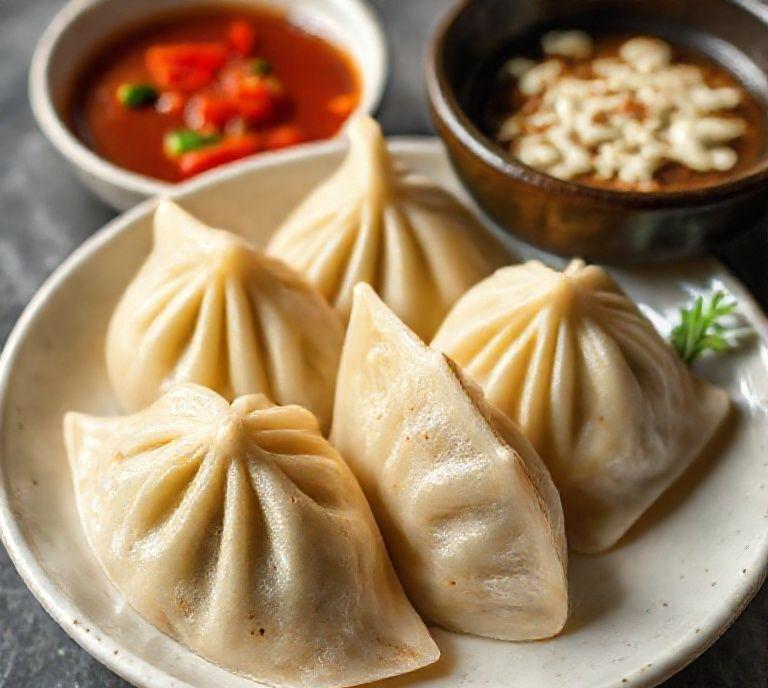
This vegetarian dumpling recipe is full of fresh ingredients, vibrant flavors, and a filling that can easily be customized to your preferences. The beauty of dumplings lies in their versatility. You can adapt them based on what’s in season or what your taste buds are craving. In this recipe, I’ll focus on a classic veggie filling-light yet satisfying, with a balance of textures and flavors that make each bite an absolute treat.
Ingredients Needed
Let’s start with the basics. For this recipe, you’ll need the following:
- Dumpling Wrappers: You can find these at most Asian grocery stores or make them from scratch if you’re feeling adventurous. If you go store-bought, make sure to choose thin, round wrappers for the best texture.
- Cabbage (Napa or regular): The crunchiness and mild sweetness of cabbage make it the perfect base for dumplings. Plus, it holds its texture well when cooked, so it won’t get soggy.
- Shiitake Mushrooms: These mushrooms add a savory umami flavor to the filling. They also provide a nice meaty texture without any actual meat.
- Tofu: Firm tofu works best here as it holds its shape when cooked, giving the dumplings a satisfying bite. It absorbs all the wonderful flavors of the seasonings and complements the mushrooms and cabbage beautifully.
- Carrot: A bit of color and crunch, carrots brighten up the filling while also offering a mild sweetness.
- Ginger: Fresh ginger adds a zingy, aromatic element to the dumpling filling. It’s one of those ingredients that really takes the flavor to the next level.
- Garlic: A little garlic goes a long way in creating a rich, savory backdrop for the other ingredients.
- Soy Sauce: For that salty umami punch, soy sauce is essential. It enhances all the flavors and gives the filling depth.
- Sesame Oil: A drizzle of sesame oil brings that distinct toasted nuttiness and fragrance to the dish.
- Green Onion: Adds a hint of sharpness and freshness to balance the richness of the filling.
Cooking Instructions
- Prepare the Filling: Start by finely chopping the cabbage and sprinkling it with a little salt. Let it sit for about 10-15 minutes to draw out any excess moisture. Then, squeeze the cabbage to get rid of the liquid. This step is crucial to prevent soggy dumplings!
- Cook the Vegetables: In a pan, heat a bit of oil and sauté the garlic and ginger until fragrant. Add the shiitake mushrooms and carrots, cooking them until softened, about 5-7 minutes. Remove from heat and set aside to cool.
- Combine the Ingredients: Once your veggies have cooled down, combine them with the cabbage, tofu, soy sauce, sesame oil, and green onions in a large mixing bowl. Use your hands or a spoon to mix everything together until well combined.
- Assemble the Dumplings: Lay out the dumpling wrappers on a clean surface. Place a small spoonful of the filling in the center of each wrapper. Be careful not to overfill them! Dab a bit of water around the edges of the wrapper to seal. Then fold the dumpling in half, pressing the edges together to form a half-moon shape. You can pleat the edges for that traditional look or just pinch them closed with your fingers.
- Cook the Dumplings: Now it’s time to cook! There are a few methods you can choose from: steaming, pan-frying, or boiling. To steam, place the dumplings on a lined steamer basket and steam over boiling water for about 10-12 minutes. For pan-frying, heat a little oil in a non-stick pan, add the dumplings, and cook for about 2-3 minutes until the bottoms are golden brown. Then, add a splash of water and cover the pan to steam the dumplings for another 5-7 minutes. If you prefer boiling, gently drop them into a pot of boiling water, and cook for about 5-7 minutes, until they float to the top.
Ingredient Science Spotlight
There’s a quiet science behind the ingredients that go into dumplings. Let’s take a look at some of the key players:
- Cabbage: When salted, cabbage releases water, a process known as osmosis. This not only helps draw out moisture, but it also makes the cabbage more tender. By squeezing out the excess liquid, you’re preventing your dumplings from becoming soggy during cooking.
- Tofu: Firm tofu has a high water content, which is why it’s essential to press it before using it in the filling. Pressing it releases excess moisture and helps the tofu absorb the flavors of the other ingredients. Plus, the resulting texture holds up well when cooked, offering that perfect balance between soft and slightly chewy.
- Ginger and Garlic: These two aromatic ingredients aren’t just flavor powerhouses; they also have health benefits. Ginger, for instance, is known for its anti-inflammatory properties, while garlic can boost your immune system and help with digestion. Both add warmth and spice to the dumplings.
Expert Tips
- Make a big batch: Dumplings freeze wonderfully. If you have extra, simply freeze them before cooking. Lay them out on a baking sheet in a single layer and freeze for a couple of hours. Once frozen, transfer them to a Ziploc bag for easy storage. When you’re ready to eat, cook them straight from the freezer-no need to thaw!
- Don’t skip the resting time for the dough: If you’re making homemade wrappers, let the dough rest for at least 30 minutes before rolling it out. This helps the gluten relax, making the dough more pliable and easier to work with.
- Get creative with the filling: The beauty of dumplings is that they’re endlessly customizable. You can swap out ingredients based on what’s in season or what you have on hand. Try adding some finely chopped spinach, water chestnuts for crunch, or even a little bit of miso for added depth.
- Perfect the pleats: If you’re new to dumpling folding, don’t worry about making them look perfect. The goal is a seal that holds together. That being said, the pleats add a traditional touch and help keep the dumpling filling secure. The more you practice, the better you’ll get!
Recipe Variations
- Spicy Dumplings: If you like a little heat, try adding some chopped fresh chili peppers or a spoonful of chili paste to the filling. A drizzle of chili oil on top when serving gives it that extra kick.
- Mushroom Medley: If you can’t find shiitake mushrooms, try other varieties like oyster or portobello. Mixing different mushrooms will add more depth of flavor and texture to your dumplings.
- Vegan Dumplings: This recipe is already vegan, but if you want to add more richness, try using a plant-based “egg” to replace the tofu. Some people like adding a spoonful of vegan mayo to give the filling a creamier texture.
Final Words
Dumplings, with their delicate wrappers and savory fillings, are more than just food-they are an experience. Whether you’re making them for a family gathering, a dinner party, or just for yourself on a cozy evening, these vegetarian dumplings offer a delicious, comforting dish that can be enjoyed by anyone, regardless of dietary preference. The process of folding and cooking them becomes a personal journey, and every dumpling is a little reflection of your love and effort.
FAQs
What Are The Main Ingredients For Vegetarian Chinese Dumplings?
Vegetarian Chinese dumplings typically include a combination of finely chopped vegetables such as cabbage, carrots, mushrooms, and scallions. Tofu or tempeh can be added for protein. Seasonings often include soy sauce, sesame oil, ginger, garlic, and sometimes a touch of rice vinegar or chili paste to enhance flavor. Dumpling wrappers are usually made from wheat flour and water, though store-bought wrappers can also be used.
How Can I Prevent Vegetarian Dumplings From Breaking While Cooking?
To prevent dumplings from breaking, ensure the filling is not too wet, as excess moisture can cause the wrappers to tear. Use a small amount of filling and avoid overstuffing. When sealing, press the edges firmly and use a little water to help the dough stick. During boiling, stir gently to prevent sticking. For steaming or pan-frying, make sure the cooking surface is adequately oiled or lined with parchment paper to maintain integrity.
What Are The Different Cooking Methods For Vegetarian Chinese Dumplings?
Vegetarian dumplings can be cooked using several methods. Boiling is traditional: drop dumplings into boiling water until they float, then cook an additional 2-3 minutes. Steaming is another option, which helps retain moisture and texture. Pan-frying, also known as “potstickers”, involves frying the dumplings in a small amount of oil until the bottoms are golden, then adding water and covering to steam them until fully cooked. Each method offers a different texture and flavor experience.