If you’ve ever wandered through the bustling streets of India or into a local Indian restaurant, chances are you’ve encountered a dish that’s both comforting and packed with flavor: Saag. This vibrant dish, often served alongside warm flatbreads or rice, is a celebration of greens at their best. The name saag itself is often used to refer to a variety of leafy greens, but it’s most commonly associated with mustard greens, spinach, or a blend of various greens simmered in a rich, spiced sauce.
What makes this dish even better is the ability to adapt it to your tastes, making it just as perfect for a weeknight dinner as for a special gathering. Over the years, I’ve learned that the beauty of vegetarian saag lies not just in the flavors, but in the simplicity of the preparation. There’s something incredibly satisfying about preparing a meal that’s not only nourishing but also full of depth and soul. Here, I’ll walk you through a vegetarian version of this dish that captures all the richness of traditional saag but in a way that’s accessible and, dare I say, perfect for any time you want to bring a little warmth and comfort to your kitchen.
Vegetarian Saag Recipe
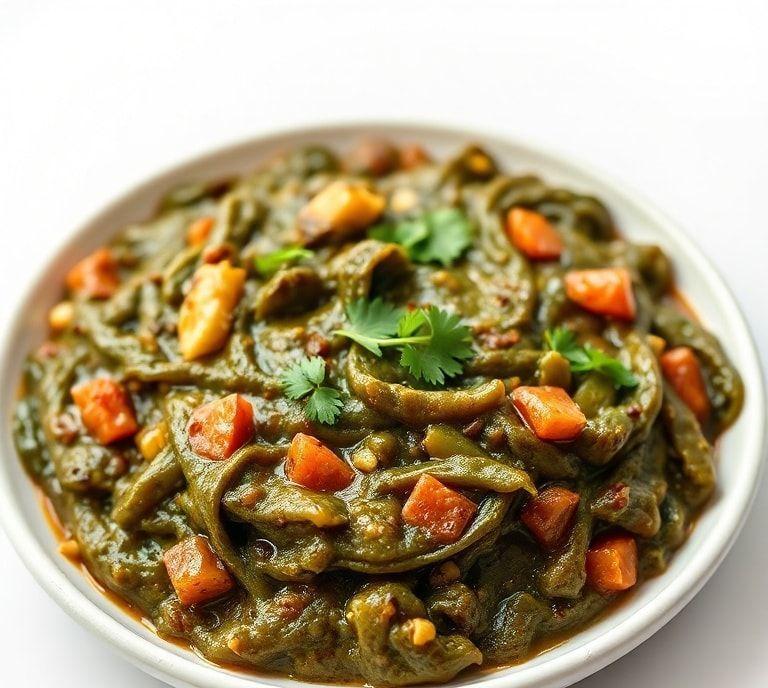
While saag in its traditional form often involves the addition of meat or dairy, this vegetarian version keeps all the hearty flavor intact. The greens are cooked down until they’re tender and infused with aromatic spices, creating a rich base that’s complemented by the earthy depth of garlic, ginger, and onions. As the greens cook, they absorb all the flavors from the spices, creating a dish that feels like a hug in a bowl.
It’s one of those recipes that’s simple enough for beginners but rich in flavor enough to feel like you’ve spent hours crafting something extraordinary. Whether you’re a seasoned chef or a first-time cook, this dish is a perfect introduction to the world of Indian vegetarian cuisine. Let’s dive right into how to make it.
Ingredients Needed
- Greens (spinach and mustard greens are the best, but you can also use kale or collard greens) – About 6 cups, roughly chopped. These will form the base of your dish.
- Onion – 1 large, finely chopped. It adds a subtle sweetness when cooked down.
- Garlic – 4 cloves, minced. The key to a deep flavor profile.
- Ginger – 1 tablespoon, minced. Adds warmth and a bit of zing to the dish.
- Tomatoes – 2 medium, chopped. These give the saag its saucy texture and a touch of acidity.
- Green chilies – 2, slit lengthwise. For heat; you can adjust this based on your spice tolerance.
- Ground coriander – 1 teaspoon. This brings a citrusy, earthy flavor.
- Ground cumin – 1 teaspoon. Adds a warm, nutty flavor.
- Turmeric powder – ½ teaspoon. For that beautiful golden color and anti-inflammatory properties.
- Garam masala – 1 teaspoon. A blend of warm spices that completes the flavor profile.
- Vegetable oil or ghee – 2 tablespoons. For sautéing and richness.
- Salt – To taste.
- Water – About 1 ½ cups (you can adjust based on the consistency you prefer).
- Lemon juice or amchur (dried mango powder) – 1 tablespoon. To balance the flavors at the end.
Cooking Instructions
- Prep the Greens: Start by washing the greens thoroughly to remove any grit or dirt. If you’re using spinach and mustard greens, you might want to remove the thicker stems. Roughly chop the leaves into manageable pieces.
- Cook the Greens: In a large pot, bring about 4 cups of water to a boil. Add the greens and let them cook for 5-7 minutes until they wilt down. After that, drain them and set aside, reserving a little bit of the cooking water.
- Make the Spice Base: While the greens are cooking, heat oil or ghee in a heavy-bottomed pan over medium heat. Add the chopped onions and sauté them until golden brown, about 7-8 minutes. Add the garlic and ginger, cooking for another minute until fragrant. Toss in the chopped tomatoes and green chilies, cooking until the tomatoes break down and become soft, about 5 minutes.
- Add the Spices: Stir in the ground coriander, cumin, turmeric, and salt. Let the spices cook for another 2 minutes to release their essential oils, making the kitchen smell heavenly.
- Combine the Greens and Spices: Now, add the cooked greens to the pan, and give everything a good stir. Pour in the reserved cooking water to adjust the consistency to your liking. If you want a creamier texture, feel free to use a hand blender to purée the saag to your desired smoothness.
- Simmer and Blend the Flavors: Let the saag simmer on low heat for another 10-15 minutes, allowing all the flavors to meld together. Stir occasionally to prevent it from sticking to the bottom. Add a squeeze of lemon juice or a sprinkle of amchur for a tangy finish.
- Finish with Garam Masala: Just before serving, sprinkle in the garam masala and stir. This is the final touch that ties everything together with its fragrant, complex aroma.
- Serve: Serve the saag hot, alongside some naan, roti, or steamed rice. Don’t forget to enjoy it with a dollop of yogurt or a sprinkle of fresh cilantro if you like!
Ingredient Science Spotlight
Let’s take a moment to appreciate the ingredients in saag-not just for their flavor but also for the science behind them.
- Greens: Mustard greens, spinach, and other leafy vegetables are high in iron, calcium, and vitamins A and K. Cooking them down in a bit of oil helps release fat-soluble vitamins and enhances their nutritional value. Mustard greens, in particular, are a powerhouse of antioxidants.
- Garam Masala: This spice blend is a classic example of the way food brings health benefits. The spices in garam masala, like cumin, coriander, and cardamom, contain compounds that are known for their anti-inflammatory properties and digestive benefits. They also help in balancing the flavors of rich dishes.
- Ginger & Garlic: Both have been used for centuries for their medicinal properties. Ginger, with its zesty bite, is known to promote digestion and reduce inflammation. Garlic, rich in allicin, is often linked to cardiovascular health benefits.
Expert Tips
- Greens Choice: For a slightly different flavor, you can mix up your greens. Kale adds a hearty bite, while collard greens lend a milder taste. Experiment to find the combination that works best for your palate.
- Texture Control: If you prefer a smoother texture, you can purée the greens at the end. On the other hand, if you like a bit of texture, leave them a little chunky for that rustic feel.
- Balancing Heat: If you’re not a fan of too much heat, remove the seeds from the green chilies before adding them to the dish. Alternatively, a dash of coconut milk can mellow out the spiciness while adding a rich, creamy texture.
Recipe Variations
- Saag with Paneer: For a protein boost, cube some paneer (Indian cottage cheese) and add it toward the end of cooking. It will absorb the flavors of the saag and add a delightful creaminess to the dish.
- Saag with Lentils: To make this dish heartier, you can add cooked lentils (yellow or red lentils work great). This turns it into a complete meal, full of protein and fiber.
- Spicy Saag: Want to turn up the heat? Add a bit of garam masala along with red chili powder or a pinch of cayenne pepper. This will give your saag a fiery kick!
Final Words
Cooking saag is like creating a symphony of flavors that work in harmony. From the deep, earthy greens to the aromatic spices, every ingredient brings something essential to the table. And that’s the magic of Indian cuisine-how simple ingredients can be transformed into something extraordinary with just a few clever techniques and a little patience.
Whether you’re new to vegetarian cooking or have a long-standing love affair with Indian food, this saag recipe is bound to be a keeper in your kitchen.
FAQs
What Vegetables And Greens Are Typically Used In A Vegetarian Saag Recipe?
Vegetarian saag primarily uses leafy greens such as spinach, mustard greens, fenugreek leaves, or a combination of these. Other vegetables like cauliflower, peas, or potatoes may be added for texture and flavor. The choice of greens can vary depending on regional preferences and seasonal availability.
How Can I Make A Vegetarian Saag Creamy Without Using Dairy?
To achieve a creamy texture without dairy, you can use blended cashews, soaked almonds, or coconut milk. Another method is to puree part of the cooked greens and vegetables, which naturally thickens the saag while maintaining its flavor. Adjust the consistency with water or vegetable broth if needed.
What Spices And Seasonings Are Essential For A Flavorful Vegetarian Saag?
Key spices for vegetarian saag include cumin seeds, turmeric, coriander powder, garam masala, and chili powder. Fresh ginger, garlic, and green chilies are often sautéed with onions to enhance flavor. A finishing touch of lemon juice or a pinch of asafoetida can elevate the dish and balance the richness of the greens.